

 Buy Online
 08 9671 1500
 office@dsatco.com
Why Weed-Free Pasteurised Mulch Is Worth the Investment for Home Gardeners
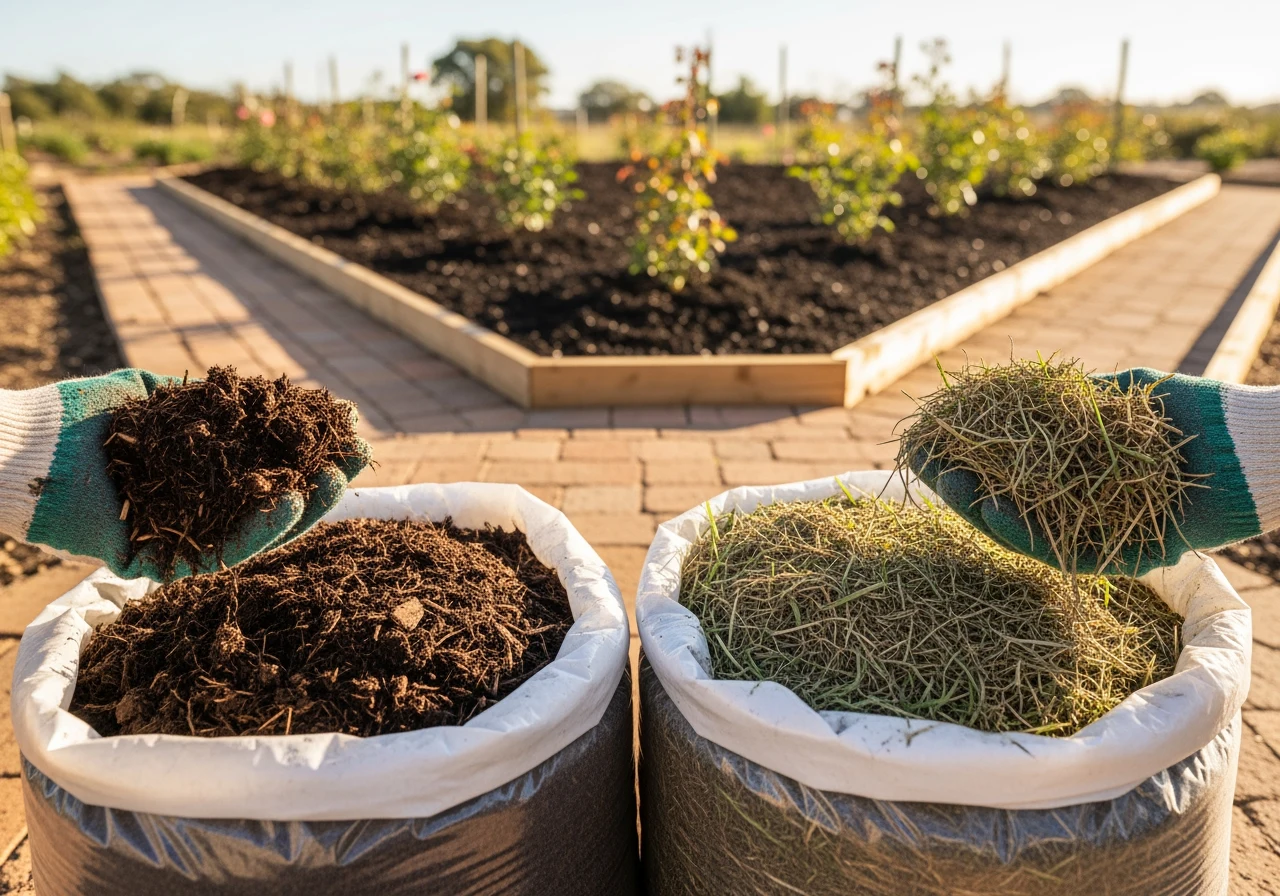
There is a scenario that plays out in Perth gardens every spring. A gardener mulches their beds in late October, congratulates themselves on getting ahead of summer, and by December finds themselves pulling out seedling after seedling of grasses, oxalis, and capeweed — species they did not put there and do not want. The mulch they bought did not just fail to prevent weeds. It imported new ones.
This is the hidden cost of cheap mulch — or more precisely, of mulch that has not been properly pasteurised. The weed seeds that came in the bag are now in your soil, and they will be back next season and the season after regardless of how well you manage the surface. Understanding why weed seed free mulch matters, how to identify genuine pasteurised garden mulch, and where the investment pays off most clearly changes how Perth home gardeners think about their mulch buying decision.
Pasteurised garden mulch costs more to produce than untreated alternatives. That cost reflects the controlled composting process that sustains high temperatures long enough to kill viable weed seeds, pathogens, and harmful fungi without destroying the organic structure and nutrients that make mulch valuable. For Perth home gardeners, that premium is not an extravagance — it is the difference between mulch that solves a problem and mulch that creates one.
This guide explains what pasteurisation actually does, why untreated mulch causes ongoing problems in Perth’s weed-prone conditions, and which garden situations deliver the clearest return on the investment in clean landscaping media.
What Pasteurised Garden Mulch Actually Is
Pasteurisation in the context of garden mulch refers to the controlled heat treatment of organic material during the composting process. When organic material is composted in well-managed windrows that are regularly turned and monitored, internal temperatures rise to levels that kill viable weed seeds and pathogenic organisms while leaving beneficial organic structure, nutrients, and microbial populations intact.
DSATCO Lupin Mulch is produced through a composting process that achieves the temperatures needed for genuine weed seed elimination. Made from WA lupin plant material and chicken manure, it arrives at your garden as a clean landscaping media product that has been through the heat treatment cycle required to give you confidence that you are not importing a future weed burden with each application.
The Pasteurisation Process Explained
Hot composting — thermophilic composting — relies on the biological heat generated when organic material breaks down rapidly in the presence of adequate moisture and oxygen. In well-managed systems, internal temperatures reach and sustain levels that kill weed seeds. The Australian Standard for compost quality (AS 4454) specifies the temperature and duration requirements that define genuine pasteurisation for commercial compost and mulch products.
Cold composting — leaving organic material in a pile to break down slowly without turning or moisture management — does not reach the temperatures needed to kill weed seeds. Many low-cost commercial mulches are produced through slow, cold composting that transforms the raw material into mulch without eliminating the weed seeds that came with it. Weed seed free mulch requires the managed hot process, not just any composting.
What Pasteurisation Preserves and What It Eliminates
The key point about well-managed pasteurisation is that it is selective in what it destroys. Weed seeds, pathogens like Phytophthora root rot, harmful fungi, and pest larvae cannot survive sustained high-temperature treatment. But the organic structure of the mulch material, the carbon compounds that feed soil microbes, the nitrogen and other nutrients, and the beneficial bacterial and fungal populations that drive soil improvement all survive the process intact.
This selectivity is what makes clean organic mulch genuinely valuable rather than simply sterile. You are not applying an inert material — you are applying a biologically active, nutritionally intact product that will improve your soil and suppress weeds without the contamination risks of untreated alternatives.
Why Untreated Mulch Becomes a Weed Problem in Perth Gardens
Perth’s combination of fast-draining sandy soil, long growing season, and year-round weed pressure makes the weed seed contamination question more consequential than it is in cooler, shorter-season climates. A weed seed introduced through contaminated mulch in Perth has a longer active season, easier germination conditions, and faster root establishment than the same seed would in most other Australian growing environments.
DSATCO is a Western Australian company that produces premium organic mulch and garden products, grown and sourced 100% from WA farms. The production standards that underpin the DSATCO range reflect an understanding of WA’s specific weed pressures and the importance of delivering genuine clean organic mulch to Perth gardeners.
How Weed Seeds Enter Commercial Mulch Supply Chains
The weed seed contamination problem in commercial mulch begins with source material. Pasture straw commonly used in mulch production contains grass and broadleaf weed seeds from the paddocks where it was cut. Green waste collected from suburban verges and gardens contains the seeds of every weed species growing in those areas — including persistent WA environmental weeds like soursob and capeweed. Animal bedding used in compost production carries weed seeds from the pastures where animals fed.
DSATCO Triple-C Mulch is produced from composted cereal crop materials through a managed process that addresses this source material challenge. The controlled composting that produces Triple-C ensures that whatever weed seeds arrived with the source material have been subjected to the heat treatment needed for genuine weed seed free mulch status.
The True Cost of Cheap Mulch Over a Season
The economics of pasteurised garden mulch versus cheap contaminated mulch look different once you account for all the costs the contaminated option creates. Weeding time is the most obvious: if cheap mulch introduces even moderate new weed pressure, you are spending additional hours each month dealing with a problem that did not exist before you mulched. Those hours have a real value whether you are managing your own time or paying a garden maintenance service.
Water wasted feeding weed competition is a cost that WA gardeners under water restrictions feel directly. Nutrients consumed by weeds rather than your garden plants represent the return on your soil conditioning investment leaching away. The cumulative cost of a season of dealing with contaminated mulch typically exceeds the premium paid for genuine pasteurised garden mulch by a meaningful margin.
How to Identify Genuine Pasteurised Garden Mulch
The marketing language around weed-free and composted garden mulch is not always reliable. Understanding what to look for — and what questions to ask — helps Perth home gardeners verify that a product claiming to be pasteurised has actually been through the process that makes it clean landscaping media.
What Genuine Pasteurisation Looks Like
Properly pasteurised mulch has physical characteristics that distinguish it from cold-composted or minimally processed alternatives. It smells earthy rather than sour or like ammonia. It has a dark, consistent colour throughout rather than patches of undecomposed green material. It crumbles readily rather than forming sticky wet clumps. And it does not contain visible green clippings, fresh plant material, or chunks of undecomposed organic matter.
DSATCO Sugar Cane Mulch and other products in the DSATCO range are produced under controlled conditions with documentation of the composting process available on request. Reputable WA suppliers who genuinely pasteurise their products can tell you specifically about the temperatures achieved and the duration of treatment — because they have the monitoring records to refer to.
Questions to Ask Your Mulch Supplier
The most direct verification approach is to ask a supplier directly about their composting process. Questions about specific temperatures achieved, duration at temperature, and whether the composting process meets AS 4454 standards reveal quickly whether a supplier can demonstrate genuine pasteurisation or only claim it.
DSATCO Piggypost is a composted pig manure product produced to the standards that ensure it qualifies as clean organic mulch and soil conditioner. Applied before mulching as a soil conditioner, it contributes to the biological activity that helps garden plants establish faster and outcompete any weed seeds that do find their way into the garden through other routes.
Which Garden Situations Benefit Most From Pasteurised Mulch
The return on investment in genuine pasteurised garden mulch is highest in garden situations where weed contamination from mulch would cause the most damage or require the most remediation effort.
High-Value Plantings and New Gardens
New garden installations represent the highest-risk situation for mulch contamination. Clean beds, freshly prepared soil, and newly planted specimens are exactly the conditions where introduced weed seeds will establish most effectively. The effort and cost invested in preparing a new garden bed makes it the wrong place to economise on mulch quality. DSATCO Lawn Maximizer applied before turfing or seeding lawn areas follows the same principle: the investment in soil preparation justifies using clean products that will not introduce competing weed seeds into the newly prepared turf zone.
Rose gardens and productive vegetable beds justify pasteurised garden mulch on both economic and practical grounds. Roses under weed competition produce fewer flowers and show more disease susceptibility. Vegetable crops under weed competition yield less and require more water. In both cases, the value of the planting warrants the investment in weed seed free mulch.
Gardens Near Bushland and Environmentally Sensitive Areas
For Perth properties bordering bushland, conservation areas, or remnant native vegetation, the choice of pasteurised mulch is part of responsible environmental management. Many commercially available mulches contain seeds of introduced species that are classified as environmental weeds in WA. Introducing these species through garden mulch near bushland creates risk for native ecosystems that extends well beyond your property boundary.
Genuine clean organic mulch from established WA producers with traceable supply chains is the appropriate choice for these situations. The full DSATCO product range is available online with full product information and sourcing details.
Long-Term Soil Building With Pasteurised Organic Products
The long-term case for pasteurised garden mulch rests not just on avoiding weed contamination but on the progressive soil improvement that clean, consistently applied organic mulch delivers. When each mulch application is weed seed free, the soil organic matter that accumulates over multiple seasons is not accompanied by a growing weed seed bank. The garden gets better soil and lower weed pressure simultaneously.
For Vivantes Lupin Mulch available through Bunnings stores across Perth, the same WA-grown clean organic mulch credentials apply. The pasteurisation process and weed seed free standards are consistent across the DSATCO and Vivantes product ranges, giving Bunnings shoppers access to the same quality assurance that direct DSATCO customers receive.
The investment in genuine pasteurised garden mulch delivers its fullest return to gardeners who commit to the twice-yearly application rhythm that maintains organic matter build-up and consistent weed suppression through Perth’s full growing calendar. Choosing pasteurised mulch Perth gardeners can rely on for both autumn and spring applications provides the most consistent year-round weed free mulch WA coverage.
Compare the full range online or get personalised advice by calling 08 9671 1500.
Latest Posts
- How to Stage Bulk Bags For Soil Improvers Versus Lawn And Mulch
- How to Size Multi-Bed Garden Orders From Bulk Bag Coverage
- Coordinating Metro Stockists Sourcing and Bulk Transport for Large Projects
Reviews from
Happy Gardeners
 "Results have been spectacular. The grass has never looked healthier."
Rod


