


 Buy Online
 08 9671 1500
 office@dsatco.com
Using Triple-C Mulch to Reduce Evaporation Across Large Landscaped Areas
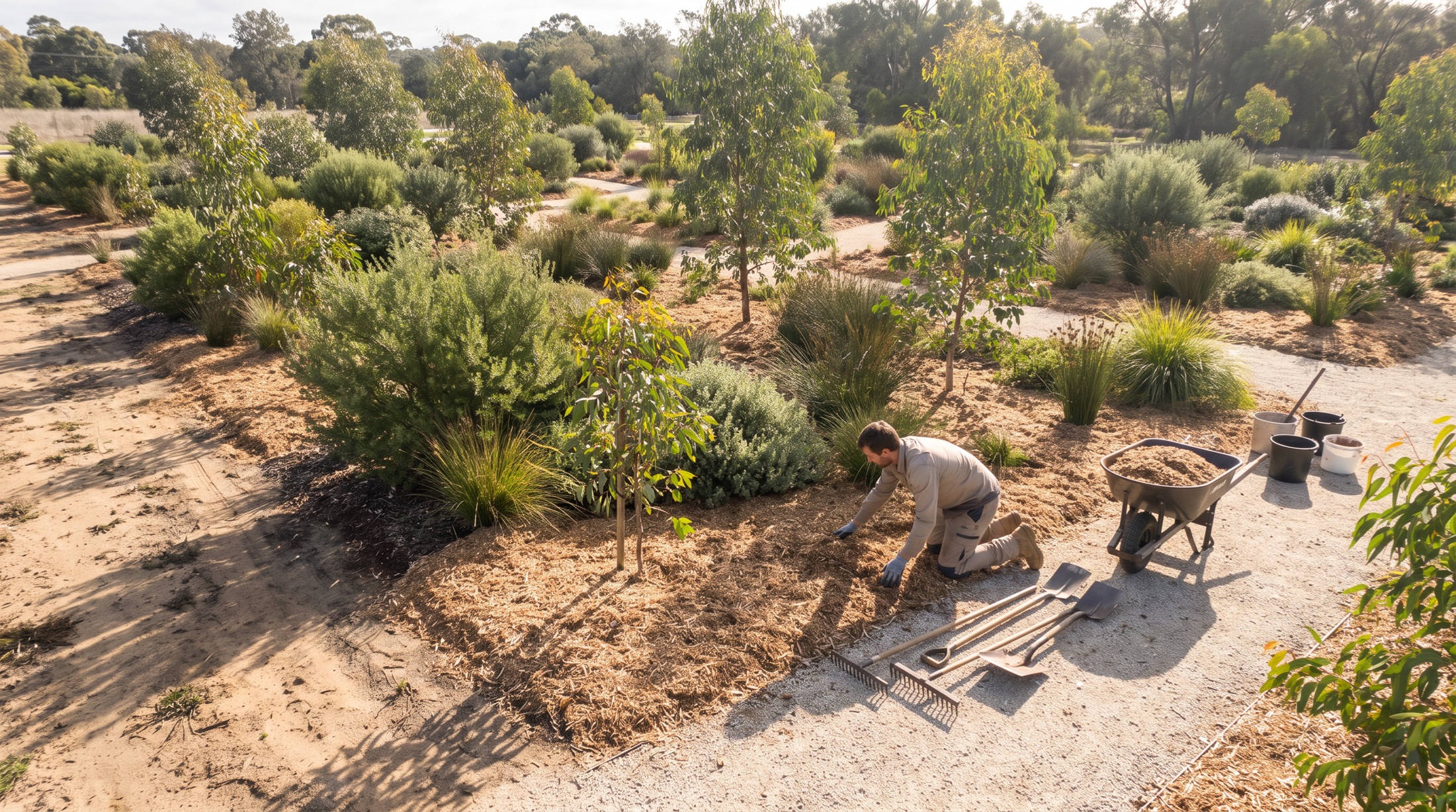
Large landscaped areas can lose moisture unevenly when soil is left exposed. Open beds, tree zones and broad planted areas may dry at different rates, especially when coverage is inconsistent. A mulch layer helps create a more protected soil surface.
For people comparing landscape mulch Perth options, moisture management is often a practical priority. Western Australian conditions include sandy soils and long, dry summer periods, so protecting the soil surface before hotter weather arrives can simplify ongoing garden care.
The main question is how to reduce evaporation without turning mulch application into guesswork. This guide explains how a water-retaining mulch layer, correct depth and even application can help manage moisture across large areas.
Why Evaporation Matters Across Large Landscaped Areas
How Does a Mulch Layer Reduce Evaporation?
Mulch works at the soil surface. It creates a physical layer between exposed soil and the surrounding air, helping the soil stay cooler and moist for longer.
DSATCO Triple-C Mulch is described by DSATCO as an insulating mulch that reduces evaporation and helps retain soil moisture. Water can still pass through the mulch and into the soil below.
That makes the product relevant when the aim is to reduce evaporation across a planted landscape rather than leave broad areas of soil exposed. The claim should stay at that level. DSATCO does not say that Triple-C eliminates water loss completely.
Why Is Consistent Coverage Important on Large Sites?
Large areas are easier to manage when the mulch layer is reasonably even. Thin patches expose soil, while piles around individual plants create inconsistent coverage.
For landscape mulch Perth projects, planning by sections can make application easier to inspect. Divide the site into beds, tree zones or other manageable areas before spreading.
This approach also helps teams avoid using a single application method across every part of a mixed landscape. Different zones may need different products or preparation.
Why Triple-C Is Relevant to Large WA Landscapes
What Is Triple-C Mulch Made From?
Triple-C combines cereal crops, chicken manure and canola. DSATCO describes the finished product as organic, composted, nitrogen-rich and water-retaining.
The formula is also intended to support soil biology as it breaks down. DSATCO states that the organic matter adds nutrients and builds soil biology over time.
This is different from a purely decorative surface covering. Triple-C has a stated soil-building role alongside its moisture-retention function.
What Makes It Practical for Broader Coverage?
DSATCO offers Triple-C in a 1000L bulk bag for larger gardens and commercial use. The product page states that this format covers 40-50 square metres when applied at 40-50 mm thick.
Coverage figures should be treated as planning guidance tied to the stated application depth. Actual site layout, plant spacing and existing mulch will affect how a project is organised.
Preparing the Site Before Mulching
Should Poor Soil Be Improved Before Mulching?
Mulch protects the top of the soil, but it does not make every underlying soil issue disappear. If a bed needs direct soil improvement, that should be considered before the mulch layer goes down.
Piggypost soil enhancer is DSATCO’s mature compost product for adding humus and supporting nutrient and moisture retention. It is a soil amendment, not a substitute name for Triple-C.
Using a soil enhancer is therefore a separate decision. A landscape with reasonable soil structure may not need the same preparation as a depleted or newly established bed.
On a large site, this assessment can be done zone by zone before any surface mulch is spread. That keeps soil preparation separate from the later mulching step.
The DSATCO in WA product range is built around locally sourced organic garden materials. For large projects, that means buyers can select products according to the landscape zone rather than relying on one product for every surface.
What If the Landscape Contains Different Planting Zones?
A large site may include ornamental beds, turf, productive gardens and areas that need simpler moisture protection. Those zones do not necessarily have identical nutrient needs.
For garden beds that suit a lupin-based formula, lupin-based mulch combines WA lupin plant material with chicken manure. DSATCO describes it as nutrient-rich and moisture-retaining.
Matching the product to the zone keeps Triple-C focused on the applications DSATCO actually describes.
Applying Triple-C Across a Large Area
How Should Large Areas Be Divided for Application?
Start with clean, accessible sections. Measure the approximate area of each section, then use DSATCO’s published coverage as a planning reference.
Triple-C should be spread 40-50 mm thick. DSATCO also directs users to leave 100 mm around the base of plants.
For buyers comparing bagged and project quantities, the full garden product range provides the current DSATCO options. Product selection should follow the actual planting zones, not just the total square metres.
Working section by section also makes it easier to see where coverage is thin. The goal is an even protective layer rather than isolated piles.
What Should Happen After the Mulch Is Spread?
DSATCO instructs users to water Triple-C thoroughly after application. This is part of the published application method.
A completed section should have consistent coverage, clear space around plant bases and no obvious exposed gaps. That gives the mulch the best chance to perform its stated surface-protection role.
If the landscape contains simpler raw-mulch zones, DSATCO Sugar Cane Mulch is a separate option that DSATCO describes as supporting moisture retention and weed suppression. It has different application guidance from Triple-C.
Frequently Asked Questions
Can Triple-C Completely Stop Water Loss?
No. DSATCO describes Triple-C as reducing evaporation and retaining soil moisture. It does not claim that the product stops all water loss.
That distinction matters on large sites. Mulch supports moisture management, but irrigation, rainfall, plant demand and existing soil conditions still influence how wet or dry a landscape becomes.
Is Triple-C Suitable for Every Landscape Zone?
Not automatically. Triple-C is described for garden use, including larger gardens and commercial applications, but different landscape zones can have different needs.
For landscape mulch Perth projects with mixed planting, it is better to assess each zone. Turf, native plantings, productive beds and ornamentals should not be treated as identical simply because they sit within one property.
Where turf is part of the project, DSATCO Lawn Maximizer is a separate organic top-dress fertiliser for existing lawns. It should not be presented as landscape mulch for garden beds.
When Is a Useful Time to Mulch in WA?
DSATCO’s current seasonal guidance identifies late winter, from August into early September, as an important mulching window in WA. The aim is to get mulch in place before hotter conditions arrive.
That makes August a practical time to inspect large beds, restore thin areas and prepare broader landscapes for spring. The exact timing should still reflect local weather and soil moisture.
Conclusion
Triple-C can help reduce evaporation by creating an insulating, water-retaining layer over the soil. On large landscaped areas, the key is not simply choosing the product. Site preparation, consistent depth and even coverage matter as well.
The product’s composted blend of cereal crops, chicken manure and canola also contributes organic matter as it breaks down. That gives it a soil-building role alongside surface moisture protection.
For landscape mulch Perth projects, a section-by-section plan helps keep coverage consistent and product use easier to manage.
For help planning quantities and product options for a broader site, plan your large-area mulch order on 08 9671 1500.
Latest Posts
- How to Stage Bulk Bags For Soil Improvers Versus Lawn And Mulch
- How to Size Multi-Bed Garden Orders From Bulk Bag Coverage
- Coordinating Metro Stockists Sourcing and Bulk Transport for Large Projects
Reviews from
Happy Gardeners
 "Results have been spectacular. The grass has never looked healthier."
Rod


