

 Buy Online
 08 9671 1500
 office@dsatco.com
How a Composted Cereal Crop Blend Helps Build Soil Structure
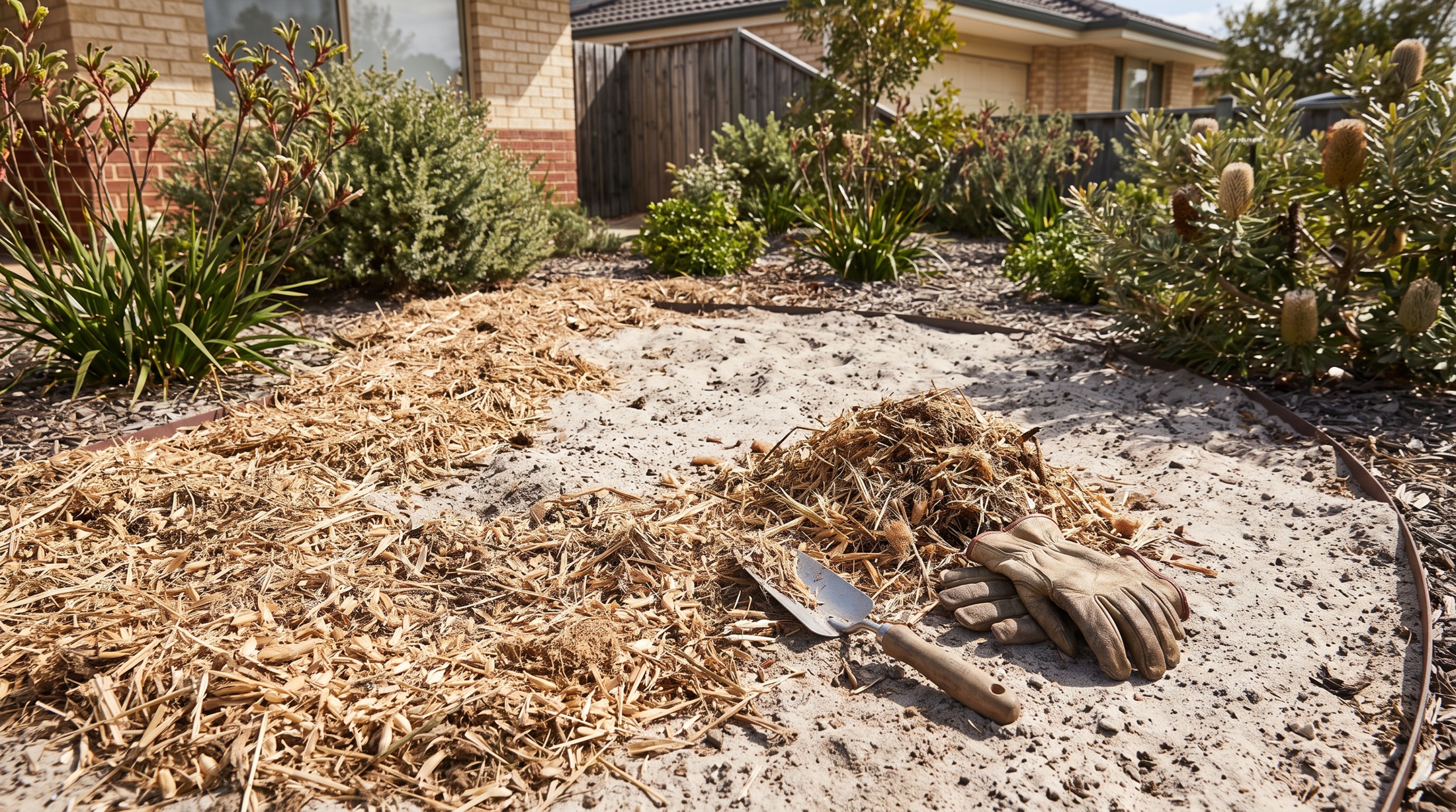
Sandy garden soil can be frustrating to work with. Water moves through quickly, organic material disappears over time, and the root zone can feel loose and difficult to improve.
That challenge is familiar across many Perth and Western Australian gardens. Adding organic material can improve how soil holds together and supports roots. You do not need to change everything at once.
A composted cereal crop can contribute because plant material becomes part of the soil as it breaks down. The important question is how that material fits into a wider soil-building plan.
This guide explains soil structure improvement in practical terms. It also shows where cereal crop mulch, mature compost, and other organic garden products have different jobs.
How Composted Cereal Crops Support Soil Structure
What Changes When Cereal Crop Material Is Composted
Fresh crop residue is fibrous plant material. Composting begins breaking that material down before it reaches the garden, making it part of a more stable organic blend.
DSATCO Triple-C Mulch is described as a composted blend of cereal crops, chicken manure, and canola. DSATCO also states that the material continues breaking down after application and contributes to soil structure and biology.
That makes a composted cereal crop useful as more than a surface cover. Its organic components gradually become part of the upper soil environment as decomposition continues.
This process supports soil structure improvement by adding organic matter where roots, moisture, air, and soil organisms interact. It should be viewed as a gradual soil-management process, not an instant soil conversion.
Why Soil Structure Matters in Sandy WA Gardens
Sandy soil contains relatively large particles and wide pore spaces. That creates free drainage, but it can also make moisture and organic matter harder to retain near plant roots.
For a Perth gardener, organic matter for sandy soil can help create a more buffered root zone. Organic material sits between mineral particles and contributes to the structure that develops around roots.
The aim is not to make sandy soil behave like heavy clay. A better goal is to improve moisture behaviour, nutrient-holding capacity, and the physical environment around plants over time.
When choosing cereal crop mulch in WA, gardeners should focus on the job the product performs. A composted blend can cover the surface while also contributing organic material as it breaks down.
What Triple-C Adds to a WA Garden Bed
What Is in the Triple-C Blend
The live Triple-C product page defines the blend clearly. It combines cereal crops, collectively described as corn, with chicken manure and canola.
That definition matters because the blend should not be described with extra ingredients that the manufacturer does not list. Terms such as specific cereal straw types should only be used when the product page confirms them.
Triple-C organic mulch is presented for WA gardens as a surface mulch that also contributes organic material to the soil. Its structure is intended to provide food, moisture, and protection for soil life as it breaks down.
Gardeners wanting deeper soil amendment can use a different product for that role. DSATCO Piggypost is presented as a mature compost and soil improver made from manure and organic materials.
How Organic Matter Supports Soil Life
Soil is not only mineral particles. It also contains roots, air, water, decomposing organic matter, microorganisms, and larger soil organisms.
Building soil biology means creating conditions where that living system has organic material to work with. Decomposing mulch can contribute food and habitat at the soil surface.
For this reason, building soil biology and soil structure are closely connected. Organic matter can influence both the physical arrangement of soil and the biological processes happening around it.
DSATCO Lupin Mulch is another organic mulch that the site describes as breaking down into humus and supporting soil biology. It has a different plant-material base from Triple-C, so the two products should not be treated as identical.
At this stage, it can help to look beyond one product. DSATCO presents garden products sourced from Western Australian agricultural materials for local garden conditions.
How to Combine Mulch and Soil Improvers
When a Soil Improver Has a Different Job
A mulch mainly works at the soil surface. It covers exposed ground, moderates the immediate surface environment, and becomes organic matter as decomposition progresses.
A soil improver is used when the soil itself needs more organic material incorporated into the growing zone. That is where mature compost can have a different role from a surface mulch.
This distinction helps prevent one product from being expected to do every job. Soil structure improvement is usually easier to plan when the gardener separates surface protection from deeper soil amendment.
For a simple straw-based surface mulch, DSATCO Sugar Cane Mulch is one option. The site describes shredded raw straw that contributes to soil structure as it breaks down.
Match the Product to the Area You Are Improving
Garden beds, established lawns, and newly prepared soil do not need exactly the same treatment. The best starting point is the area you want to improve and the condition of the soil underneath.
Triple-C organic mulch is relevant where a composted cereal-based surface layer fits the garden plan. Piggypost has a different role where mature compost is needed within the soil.
Existing lawns need a product intended for turf rather than a garden-bed mulch. DSATCO Lawn Maximizer is described as an organic top-dress fertiliser for existing lawns. Its listed ingredients include lupin chaff, canola straw, and chicken manure.
This is why cereal crop mulch in WA garden beds should not automatically be applied to every landscape area. Product function matters more than using the same material everywhere.
FAQs About Cereal Crop Mulch and Soil Structure
Is a Composted Cereal Crop Blend the Same as Compost
No. A cereal-based mulch blend and a mature soil improver have different primary roles.
Triple-C is presented as a composted mulch containing cereal crops, chicken manure, and canola. Piggypost is presented as a mature compost and soil enhancer. Both contribute organic material, but they are not interchangeable descriptions.
Can Cereal Crop Mulch Be Used on Sandy Soil
A cereal-based mulch can form part of a sandy-soil management plan. The organic material contributes to the surface layer and continues breaking down over time.
Organic matter for sandy soil is most useful when the gardener also considers the condition beneath the mulch. Very depleted soil may need a separate soil improver before the surface is covered.
DSATCO Lupin Mulch provides another garden-bed mulch option with a different plant-material base. The live page describes it as contributing humus and supporting soil structure as it breaks down.
That layered approach supports soil structure improvement without assuming one application solves every soil limitation.
Does Mulch Replace Every Other Soil Input
No. Mulch, compost, and lawn top dressing are designed for different uses.
A mulch can protect the soil surface and add organic material as it decomposes. A mature compost can be used to improve the soil itself. A lawn product is formulated for established turf.
Different areas may call for different products. The full DSATCO product range provides a current overview organised by product type.
Conclusion
Build Soil Gradually
This organic mulch can support gradual soil improvement by adding plant-based material to the garden. In sandy WA soils, that contribution can support a broader plan for better structure. It can also improve the root environment.
Building soil biology works best as an ongoing process. Mulch, compost, roots, moisture, and soil organisms all interact over time.
Choose the Product by Garden Need
Choose a surface mulch when the soil needs cover and ongoing organic inputs. Consider a mature soil improver when the growing zone itself needs additional organic matter.
If you are comparing Triple-C, Piggypost, or another option, ask about soil-building products. Call 08 9671 1500 for product guidance.
Latest Posts
- How to Stage Bulk Bags For Soil Improvers Versus Lawn And Mulch
- How to Size Multi-Bed Garden Orders From Bulk Bag Coverage
- Coordinating Metro Stockists Sourcing and Bulk Transport for Large Projects
Reviews from
Happy Gardeners
 "Results have been spectacular. The grass has never looked healthier."
Rod


