


 Buy Online
 08 9671 1500
 office@dsatco.com
How to Use Mulch Effectively to Keep Garden Beds Weed Free All Year Round
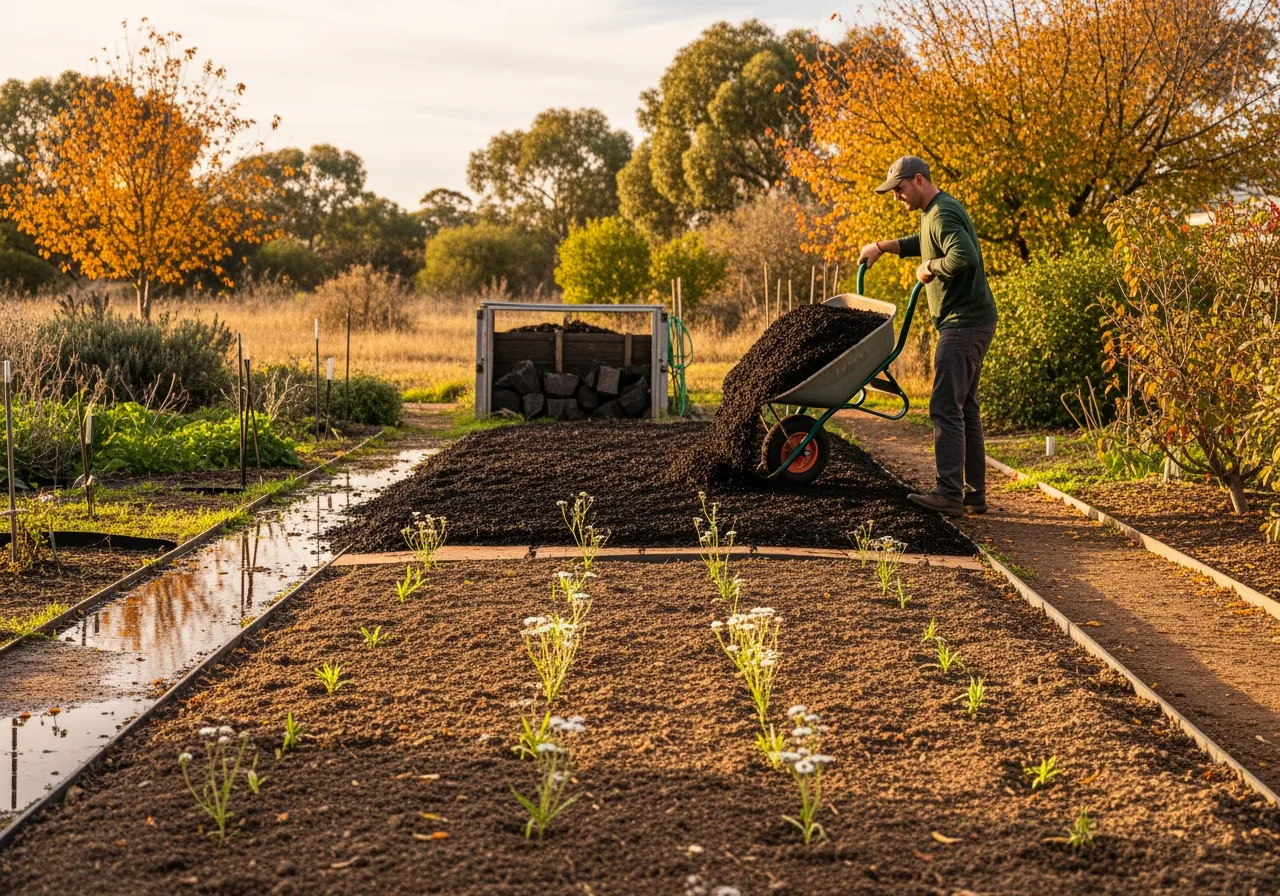
Right now, in April, is one of the two most important moments in the WA gardening calendar for weed management. The summer weed surge is finishing. The first autumn rains are either here or imminent. And somewhere in your garden soil, millions of winter weed seeds are waiting for the moisture signal that will trigger their germination. The difference between beds that stay relatively weed free through winter and beds that turn into weeding nightmares by June often comes down to what you do in the next few weeks.
Year-round weed prevention in Perth garden beds is not about a single perfect mulch application. It is about a system: understanding when Perth’s two weed seasons operate, timing your mulch applications to precede each germination window, and maintaining coverage through the season to sustain the light deprivation that keeps dormant seeds dormant.
Most Perth gardeners understand that mulch helps with weed control. The ones who get the most consistent garden bed maintenance results from their mulch are the ones who understand the timing system – applying before germination, maintaining through the active weed season, and refreshing before the next wave arrives.
This is the most important mulching window of the WA autumn. The time to act for winter weed prevention is now, before the rains begin and the seeds wake up.
Why Year-Round Weed Prevention Requires a System, Not Just a Product
Perth’s Mediterranean climate creates two distinct weed seasons operating on separate germination triggers. Summer annual weeds – summer grass, bindii, and various broadleaf species – germinate with the warm soil temperatures of spring and the increasing day length of October and November. Winter annual weeds – oxalis, capeweed, and winter grass – germinate with the cooling temperatures and first autumn rains of April and May.
DSATCO Lupin Mulch applied before each of these germination windows provides the surface coverage that keeps seeds dormant rather than active. A single mulch application made in, say, September provides excellent suppression through summer but allows the winter weed germination window to open on depleted, thinned coverage if it is not refreshed before autumn rains arrive.
Perth’s Two Weed Seasons and Why Both Matter
Summer weeds in Perth germinate when soil temperatures rise above certain thresholds in spring, typically from September onwards. These species include the grasses and warm-season broadleaf weeds that take advantage of the long dry growing season. Winter weeds germinate when soil cools and moisture returns, from April through June. These include some of Perth’s most persistent weed species: soursob, capeweed, and winter grass that can dominate garden beds by mid-July if not suppressed in April.
Effective Perth weed prevention addresses both seasons. Gardeners who mulch in spring and assume the coverage will last through autumn find that decomposition, compaction, and rainfall reduce their mulch layer below effective depth before winter weeds germinate. The autumn top-up – applied before the rains that trigger winter weed germination – is the most important application of the year for weed free garden beds in Perth.
Why Mulch Timing Beats Mulch Quality for Weed Control
DSATCO is a Western Australian company that produces premium organic mulch and garden products, grown and sourced 100% from WA farms. The most effective year-round weed prevention programme for Perth gardens uses DSATCO products applied at the right time rather than any single high-quality application that misses the germination windows it was meant to precede.
Even premium quality mulch applied in late July – after winter weed seeds have already germinated – provides minimal suppression benefit for that weed season. The same product applied in late April – before those seeds germinate – provides the full light-blocking, seed-dormancy-maintaining suppression effect that weed free garden beds require.
The Autumn Application: Beating Winter Weeds Before They Start
The autumn mulch application is the highest-leverage moment in the Perth garden weed management calendar. Applied in late April to early May, before the first significant winter rains, it creates the protective layer that keeps the soil seed bank dormant through the winter germination window. This is garden bed maintenance at its most preventative and most effective.
DSATCO Triple-C Mulch is an ideal choice for the autumn application in established ornamental beds, native gardens, and long-term plantings where slow decomposition through winter is advantageous. Its composted consistency resists rapid breakdown during the wet winter months, maintaining effective weed suppression depth through the full winter weed season.
Preparing Beds for Autumn Mulching
Complete removal of summer weeds before autumn application is essential for weed free garden beds through winter. Any annual weed left in the ground will set seed through July and August, undermining the surface suppression effect of the mulch with a fresh seed addition to the soil bank. Clear every visible weed from the bed before mulching, focusing particular attention on removing annual species that would otherwise seed over winter.
This preparation phase is also the right time to apply DSATCO Piggypost as a soil conditioner before mulching. Winter rainfall drives the most active biological period in Perth garden soils. Piggypost incorporated before the rains arrive capitalises on this active period to build humus, improve soil structure, and establish the microbial populations that contribute to biological weed seed suppression through winter.
Products for Autumn Garden Bed Maintenance
For vegetable gardens transitioning from summer to winter crops, DSATCO Sugar Cane Mulch provides effective autumn coverage that is easy to work through for winter planting. Its lighter texture allows new seedlings to establish through the mulch layer while still providing meaningful suppression of germinating weed seeds between plants.
Apply all mulch products at 50 to 75mm settled depth for the autumn application. The goal is to provide enough depth to sustain effective light deprivation through the wet winter months when decomposition accelerates. A fresh 75mm autumn layer typically maintains effective suppression depth through to spring even accounting for winter rainfall decomposition rates.
The Spring Application: Blocking the Summer Weed Surge
The spring mulch application in August and September addresses the summer weed germination window that opens as soil temperatures rise and day length increases from October onwards. Refreshing mulch coverage before this window opens suppresses the summer annual weed surge that, once established, is significantly harder to manage than weeds prevented from germinating.
DSATCO Lawn Maximizer applied to lawn areas in spring builds the dense, vigorous turf that suppresses weed invasion in grass areas. Strong, well-fed lawn grass is itself the most effective weed prevention tool for turf – mulch is not appropriate for lawns, but the organic topdressing that builds healthy turf achieves the same living-barrier suppression effect.
Checking and Refreshing Coverage After Winter
Before the spring application, assess the depth and condition of the autumn mulch layer. Winter rainfall and the active decomposition it drives will have reduced coverage in irrigated and heavily rained-upon beds. Push your finger to soil level in several spots – if coverage is below 40mm anywhere, it needs refreshing before spring weed season begins.
A spring top-up of 20 to 30mm over an existing 40mm autumn layer brings total coverage back to the 60 to 70mm range that provides effective mulch depth weed control through the summer season. This approach is more efficient than removing existing mulch – the old layer has begun decomposing and adding organic matter, and the fresh layer on top restores the light-blocking surface coverage.
Products for Spring Weed Prevention
For spring vegetable garden establishment, lupin mulch provides the nitrogen-rich coverage that feeds newly planted crops while suppressing the weed seeds that would otherwise compete with them for water and nutrients through the summer growing season.
The full DSATCO product range is available online with bulk bag options for gardeners wanting to address the spring application across all beds comprehensively. For Vivantes Lupin Mulch through Bunnings, the same spring application timing and depth guidelines apply.
Pre-Summer Mulch Maintenance for Maximum Coverage
The November check is the third element of the year-round weed prevention system. By late October and early November, when Perth’s first serious heat arrives and summer annual weed seeds begin germinating with the warm soil temperatures, mulch coverage needs to be at effective depth across all beds. Any thin spots created by spring planting activity, summer wind disturbance, or breakdown since the spring application need targeted top-ups before the summer weed surge begins.
Check coverage every 6 to 8 weeks from October through February. Year-round weed prevention in WA garden beds is maintained by these small, targeted interventions that prevent thin spots from becoming weed outbreaks. A five-minute monthly inspection and a 20-minute targeted top-up is infinitely less work than the hours of weeding that thin summer coverage invites. This monthly check is the foundation of consistent weed suppression garden beds that stay productive and attractive without heavy ongoing maintenance.
The window for this autumn prep is open right now. The first rains are approaching. Winter weed seeds are waiting for moisture. Get your garden sorted before the season changes. Order online now or call the team on 08 9671 1500 to check stock.
Latest Posts
- How to Stage Bulk Bags For Soil Improvers Versus Lawn And Mulch
- How to Size Multi-Bed Garden Orders From Bulk Bag Coverage
- Coordinating Metro Stockists Sourcing and Bulk Transport for Large Projects
Reviews from
Happy Gardeners
 "Results have been spectacular. The grass has never looked healthier."
Rod


