

 Buy Online
 08 9671 1500
 office@dsatco.com
Why Organic Mulch Improves Vegetable Garden Beds in WA
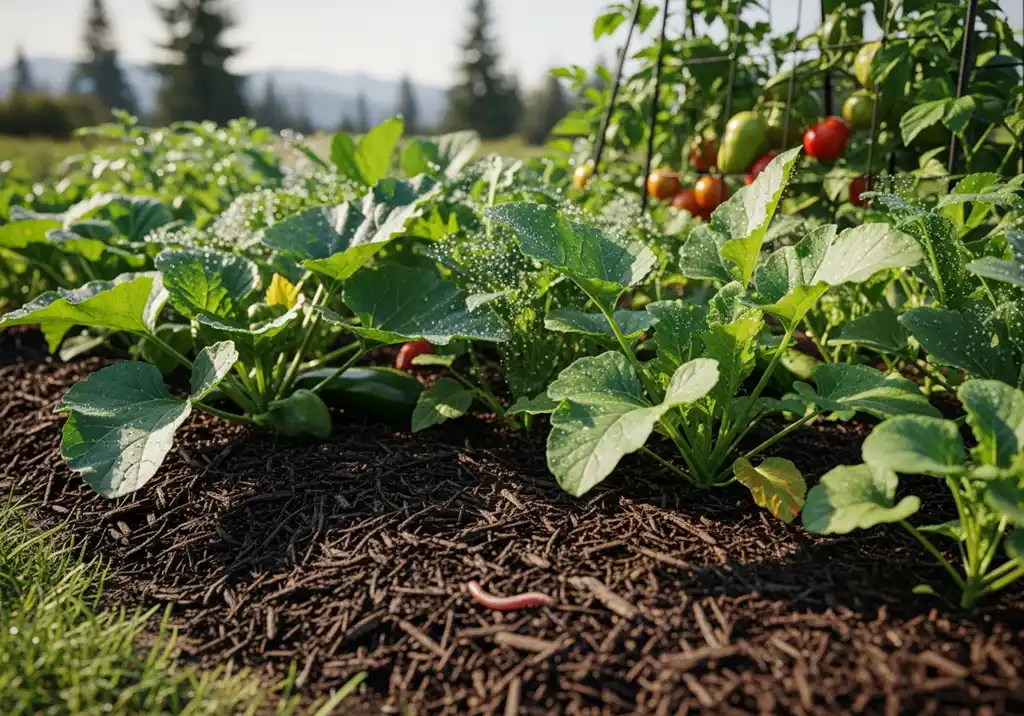
Growing vegetables in Western Australia means working with what the soil gives you. In most of Perth and the surrounding regions, that means sand. Sandy soils drain fast, hold few nutrients, and dry out quickly after watering. This is exactly why organic mulch vegetable beds WA gardeners maintain consistently outperform bare or poorly mulched alternatives.
Organic mulch transforms how your vegetable beds perform. It keeps moisture in the root zone, moderates soil temperature through Perth’s extreme summer heat, feeds the soil as it breaks down, and suppresses weeds that compete with your crops. Apply the right mulch at the right depth, and your vegetables grow stronger, yield more, and need less intervention from you.
This is not about aesthetics. Garden bed mulch WA conditions demand is a functional tool that directly improves harvest quality and quantity. For WA gardeners dealing with water restrictions, scorching summers, and nutrient-poor sand, choosing the right organic garden mulch WA soils need is the difference between a struggling patch and a productive one.
Why Sandy WA Soils and Vegetable Growing Are a Difficult Match
The Swan Coastal Plain, where most Perth gardeners live, sits on ancient sand dunes. These soils are low in organic matter, low in clay, and drain so fast that nutrients move through the root zone before plants can absorb them. Vegetable crops growing in these conditions have to work hard just to stay productive.
Clay soils hold water and nutrients through a different physical structure. Sand does not. Water moves through sand under gravity alone, carrying dissolved nutrients with it. That is why a vegetable bed in Perth can look bone-dry within days of a deep watering, while the same bed in heavier soils stays moist for much longer.
Organic matter changes this relationship. When you add compost, manure, or organic mulch to sandy soil, you introduce humus. Humus holds water and nutrients in a form that plant roots can access, rather than letting them wash away. Mulch does not replace compost or fertiliser. It works alongside them, protecting everything beneath it while adding organic matter of its own over time.
How Sandy Soils Affect Vegetable Root Zones
Most vegetable crops are relatively shallow-rooted. Their active feeding roots sit close to the soil surface, exactly where sandy soils perform worst. Water and nutrients both drain away from this zone quickly, leaving roots dry and nutrient-deprived even after recent watering or fertilising.
When organic mulch vegetable beds in WA receive covers that zone, everything changes. Evaporation slows. Temperature stabilises. Nutrients stay in the root zone longer. The vegetable plants above respond with stronger growth, better fruit set, and more consistent production through the season.
Why Organic Mulch Is the Starting Point for WA Vegetable Gardeners
Surface mulch is the one amendment that works continuously from the moment you apply it. Compost gets dug in and done. Fertiliser washes through. Mulch sits on top and keeps working as long as coverage is maintained.
It protects the soil from heat, wind, and rain compaction. It feeds the soil biology below as it decomposes. It suppresses weeds without herbicides. For WA vegetable gardeners managing sandy soil, hot summers, and water restrictions, organic mulch is the single most practical investment you can make in your growing space.
What Organic Mulch Does for Vegetable Garden Beds
Organic mulch delivers five core benefits that directly improve vegetable production in WA conditions. These are not marginal improvements. In Perth’s sandy soils and summer heat, each benefit addresses a fundamental challenge that would otherwise limit what your vegetable garden can produce.
Together they make the case for why garden bed mulch WA gardeners apply each season is not an optional extra. It is the foundation layer that everything else builds on.
Moisture Retention in WA Vegetable Beds
A mulch layer slows evaporation from the soil surface and keeps water in the root zone between watering days. In Perth’s summer heat, unprotected soil loses moisture rapidly. Surface drying can happen within a day or two of irrigation, leaving vegetable roots in dry sand long before the next watering day arrives.
This matters especially under WA water restrictions. When you can only water on set days, mulch stretches the effectiveness of each irrigation. Your tomatoes, cucumbers, and leafy greens stay hydrated between watering sessions instead of wilting by mid-afternoon.
Temperature Moderation Through Perth’s Extremes
Bare soil in a Perth summer heats up fast. That heat damages shallow feeder roots and kills beneficial soil microbes that vegetable plants depend on for nutrient uptake. A mulch layer insulates the soil, keeping surface temperatures cooler on hot days and retaining warmth through cooler nights.
In winter, mulch works in reverse. It holds warmth in the soil, protecting root systems from cold snaps and extending the productive growing season for cool-weather crops like broccoli, cauliflower, and broad beans.
Weed Suppression Without Herbicides
Weed seeds germinate when light reaches bare soil. A thick mulch layer blocks that light. Most annual weeds cannot push through 40-50mm of organic mulch, which means less hand-weeding and less competition for water and nutrients in your vegetable beds.
Persistent weeds may still emerge, but they are easier to pull from mulched soil than from hard, compacted ground. The mulch layer keeps the soil below loose and friable, so roots come out cleanly when you do need to weed.
Nutrient Release and Soil Biology Support
Organic mulches break down over time, releasing nitrogen, phosphorus, potassium, and trace elements into the soil beneath. This slow, steady feed complements granular fertilisers and liquid feeds without replacing them.
Some mulches are richer in nitrogen than others. DSATCO Lupin Mulch, made from WA lupin plant material and composted chicken manure, delivers a higher nitrogen load than carbon-rich mulches like sugar cane. That makes it ideal for hungry crops like tomatoes, corn, and leafy greens that need consistent nitrogen throughout the growing season.
The moist, stable zone beneath the mulch layer also becomes habitat for beneficial soil organisms. Earthworms, bacteria, and other soil life break down organic matter, cycle nutrients, and improve soil structure. This biological activity is what transforms sandy soil into genuinely productive growing medium over time.
Best Organic Mulches for WA Vegetable Gardens
Not all mulches suit vegetable beds. Decorative options like woodchip or pine bark are slow to break down and can tie up nitrogen during decomposition. Vegetable beds need mulches that feed the soil while protecting it, and that can be disturbed for replanting without creating problems.
The right vegetable garden mulch Perth conditions call for is one that works with the heat, the sandy soil, and the water restrictions WA gardeners navigate every season.
DSATCO Lupin Mulch for Vegetable Beds
DSATCO Lupin Mulch is made from 100% organically sourced WA lupin plant material with the addition of chicken manure. It is the most popular choice among Perth vegetable gardeners wanting strong leafy growth and heavy fruiting. The nitrogen content is higher than most other organic mulches, which makes it ideal for vegetable beds with summer crops.
Lupin Mulch is pasteurised to ensure it is weed, seed, and disease free, which is important when you are mulching around food crops. It holds moisture well, suppresses weeds effectively, and improves soil structure as it decomposes.
Apply Lupin Mulch at 40-50mm depth after planting, leaving a 50mm gap around plant stems. Top it up every season to maintain coverage and keep nutrient release consistent through the growing period.
DSATCO Sugar Cane Mulch for Vegetable Gardens
DSATCO Sugar Cane Mulch is grown and produced in Wongan Hills, WA. It is lighter and fluffier than lupin mulch, shredded to a fine consistency that makes it easy to spread and easy to disturb for succession planting.
Sugar cane mulch builds soil carbon as it breaks down and supports soil microbial activity. It is lower in nitrogen than lupin mulch, so it works best when paired with a separate nitrogen source or when growing crops that prefer moderate, steady feeding, such as root vegetables, peas, and beans.
Apply at 50mm depth and top up when coverage thins. The fine texture knits together on the soil surface, which reduces wind displacement in exposed vegetable gardens.
DSATCO Triple-C Mulch for Mixed Vegetable Beds
DSATCO Triple-C Mulch is a composted blend of cereal crops, chicken manure, and canola with a pH of 6.5. It suits vegetable beds, rose gardens, and mixed plantings. It delivers a balanced nutrient profile and supports strong microbial activity as it breaks down.
Triple-C is composted to ensure it is weed, seed, and disease free before use. It can keep soil 5-10 degrees cooler, which helps moderate root zone temperatures through Perth’s hottest growing months. Apply at 40-50mm depth and refresh every season to maintain coverage.
How to Apply Mulch to Vegetable Beds
Applying mulch correctly makes the difference between a bed that thrives and one that underperforms. The steps are straightforward, but each one matters for getting full value from your organic mulch vegetable beds in WA depend on.
Start by preparing the soil. Before mulching, work a soil conditioner like DSATCO Piggypost into the top layer of soil. This builds organic matter and introduces living microbes that give your plants a strong foundation before they even start feeding from the mulch above.
Preparing the Soil Before Mulching
DSATCO Piggypost is a mature compost produced from pig manure through a 12-18 month composting process. It is approximately 70% humus and contains living microbes. The recommended application in garden beds is 20kg per square metre, worked into the top layer of soil before planting.
Water the bed thoroughly before applying any surface mulch. Mulch holds in whatever moisture is present when you apply it. Starting with moist soil means your vegetable roots have access to water from day one, not just from the next time you irrigate.
Applying Mulch at the Right Depth and Position
Apply organic mulch at 40-50mm depth across the entire bed. Thinner than 40mm and weeds push through and moisture evaporates too quickly. Thicker than 50mm with fluffy mulches like sugar cane can make water penetration harder in very hot conditions.
Spread mulch evenly, avoiding direct contact with plant stems. Leave a 50mm gap around the base of each plant. Mulch touching stems holds moisture against the tissue and creates ideal conditions for fungal rot and pest damage.
Top up depth every three months. In Perth’s hot, dry summer, organic mulch breaks down faster than in cooler climates. Plan to refresh vegetable bed mulch before summer and again heading into winter.
Timing Mulch Applications for WA Seasons
Perth’s Mediterranean climate creates two distinct growing periods: warm-season crops from October to March, and cool-season crops from April to September. Mulch timing should align with these seasons and the specific needs of what you are growing.
For mulch for vegetables WA conditions demand, the timing of application is nearly as important as the product choice itself. Applying the best organic mulch vegetable beds WA gardeners rely on too late means your soil heats up before protection is in place. Applying too early in the wrong season can hold excess winter moisture where it causes problems.
Pre-Summer Mulching for Warm-Season Vegetables
Apply fresh mulch in October, just as temperatures start climbing. This protects the soil through the hottest months and supports summer crops like tomatoes, capsicums, eggplants, cucumbers, and zucchini. Choosing the right vegetable garden mulch Perth summer demands before the heat arrives is one of the most important decisions a WA grower makes each season.
Summer crops are heavy feeders. Use a nitrogen-rich mulch like DSATCO Lupin Mulch to support strong growth and continuous fruiting through the long WA summer. Top up after any extreme heat events that compress or degrade the mulch layer.
Pre-Winter Mulching for Cool-Season Vegetables
Refresh mulch in April or May, after summer crops finish and before planting cool-season vegetables. This protects the soil through winter rains and supports crops like broccoli, cauliflower, cabbage, kale, broad beans, and peas.
Cool-season crops prefer moderate nitrogen levels. Sugar cane mulch or composted blends like Triple-C work well in winter beds, particularly if soil fertility has already been built through summer organic mulch applications.
Combining Mulch with Other Soil Inputs
Mulch works best as part of a complete system rather than as the only amendment in your garden. It delivers the most value when combined with compost, supplementary fertiliser, and good watering practice, each playing a different role in keeping your vegetable beds productive. Understanding how mulch for vegetables WA gardeners use fits into that broader system is key to getting lasting results from your soil investment.
For organic garden mulch WA gardeners want to get maximum results from, the combination of mulch above and soil conditioner below gives the most complete outcome for sandy soil rehabilitation. The garden bed mulch WA vegetable gardeners maintain over multiple seasons is what builds the living, productive soil that transforms an average harvest into a reliable one.
Mulch and DSATCO Piggypost Working Together
Compost improves soil structure and fertility from within. Mulch protects the surface and feeds the soil from above. Using both gives your vegetable beds the full benefit of organic matter at multiple depths.
Dig Piggypost into the top 100-150mm of soil before planting, then mulch the surface after planting. The mulch layer protects Piggypost from drying out while both products work together to improve the soil below your vegetables.
Mulch and Fertiliser in Vegetable Beds
Organic mulches release nutrients slowly as they break down. That slow release is not enough to fully support heavy-feeding crops like tomatoes or corn through a full growing season. Supplement with granular fertiliser or liquid feeds every four to six weeks through the peak growing period.
Apply fertiliser to moist soil and water it in through the mulch layer. The mulch holds nutrients in the root zone rather than letting them leach away with the next watering, which means your fertiliser investment goes further.
Common Mulching Mistakes in WA Vegetable Gardens
Even experienced WA vegetable gardeners make mulching errors that reduce effectiveness or create new problems. Knowing what to avoid is as important as knowing the right products to use.
The most common error is applying mulch too thinly. A 20mm layer looks tidy but provides almost no practical benefit in Perth’s summer conditions. Weeds push through, moisture evaporates, and the soil heats up just as it would without mulch. Apply at the full recommended depth.
Errors That Reduce Mulch Performance
Piling mulch against plant stems is the second most common mistake. It holds moisture against stem tissue and creates ideal conditions for collar rot, fungal problems, and pest entry. Leave a 50mm gap around the base of every plant, regardless of mulch type.
Applying mulch to dry soil locks in dryness rather than moisture. Water thoroughly the day before any mulch application, especially heading into WA summer. This ensures your vegetable roots have access to water from the moment the mulch goes down.
Using fresh, uncomposted materials in vegetable beds is also problematic. Raw organic material can compete with plants for available nitrogen as it breaks down. Always use composted, aged mulch products in vegetable beds for consistent results without the nitrogen competition.
Maintaining Mulch Coverage Through the Growing Season
Organic mulch breaks down. That is exactly what makes it valuable. But as it decomposes, the layer thins. Check depth every three months and top up as needed. A consistent layer maintained throughout the growing season is more effective than a single heavy application that disappears before the season ends. Protecting soil health vegetable beds accumulate over seasons is the long-term goal of every mulch application.
DSATCO is a Western Australian company that produces premium organic mulch and garden products, grown and sourced 100% from WA farms. The range is designed for Perth’s sandy soils and demanding Mediterranean climate.
Conclusion
Organic mulch is not optional in WA vegetable gardens. Sandy soils, extreme heat, and water restrictions make unprotected vegetable beds a constant struggle. The right organic mulch vegetable beds WA gardeners choose consistently solves that problem by holding moisture, moderating temperature, suppressing weeds, and feeding the soil as it breaks down.
Choose a mulch that matches your crops and growing season. Apply it at 40-50mm depth, refresh it every season, and combine it with soil conditioner and fertiliser for best results. The soil health vegetable beds in WA need to produce consistently is built over time, one mulch application at a time. Healthy, biologically active soil is the foundation of every productive WA vegetable garden.
Browse the full DSATCO product range online to find the right mulch for your vegetable beds, or get started now by contacting the DSATCO team on 08 9671 1500 about the right product for your garden.
Latest Posts
- How to Stage Bulk Bags For Soil Improvers Versus Lawn And Mulch
- How to Size Multi-Bed Garden Orders From Bulk Bag Coverage
- Coordinating Metro Stockists Sourcing and Bulk Transport for Large Projects
Reviews from
Happy Gardeners
 "Results have been spectacular. The grass has never looked healthier."
Rod


