


 Buy Online
 08 9671 1500
 office@dsatco.com
How to Choose the Right Mulch for Citrus Trees in Perth
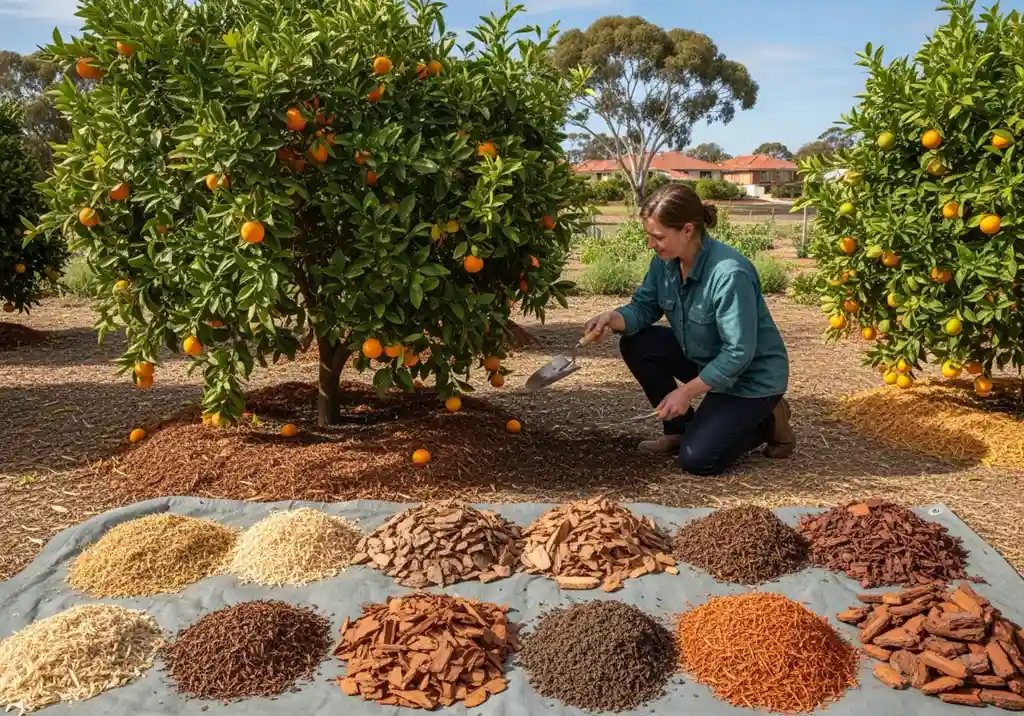
Perth citrus trees produce their best fruit when roots stay cool, moist, and well-fed through our long, dry summers. The right mulch layer makes that happen. The wrong choice can starve your tree of nutrients or create conditions that invite disease.
Most citrus struggles in Perth gardens trace back to three preventable problems: sandy soil that drains nutrients too fast, summer heat stress that shuts down fruiting, and a root zone that dries out between watering days. A well-chosen mulch addresses all three issues at once.
This guide walks through how to choose the right mulch for citrus trees Perth conditions demand, which products suit different citrus situations, and how to apply them correctly for the best results in WA’s sandy soils and Mediterranean climate.
Why Citrus Trees Need Mulch in Perth
Perth’s climate creates specific stress points for citrus. Summer temperatures regularly exceed 38°C on the Swan Coastal Plain. Winter brings enough rain to leach nutrients from sandy soils. Spring winds dry out surface roots just as trees are setting fruit.
Citrus roots are shallow feeders. Most active roots sit in the top 300mm of soil, exactly where Perth’s heat and wind do the most damage. Without a mulch layer protecting them, the root zone is directly exposed to the worst WA weather has to offer.
Mulch acts as a thermal buffer between the soil and the air above it. That protection keeps roots active and feeding throughout the year, rather than shutting down under stress when trees need their energy most.
How Perth’s Climate Stresses Citrus Root Zones
Perth’s summer heat dries the soil surface rapidly. The fine sandy particles that make up most Perth soils hold very little water against gravity, so moisture moves through and away from the root zone quickly after each watering.
Without mulch, surface roots are exposed to high temperatures and repeated wet-dry cycles that damage fine root tips. Those damaged roots are less effective at taking up nutrients and water, which shows as poor fruit development, early fruit drop, and pale foliage.
A quality organic mulch for citrus trees Perth gardens need should slow that moisture loss, keep soil temperatures more stable, and protect fine roots from the repeated stress that leads to poor cropping.
Why Sandy Soils Make Mulch Non-Negotiable for Citrus
Sandy WA soils have almost no organic matter naturally. They drain fast under gravity, carrying dissolved nutrients away from the root zone before citrus trees can access them. This is why citrus trees in Perth often show signs of nutrient deficiency even when they are being fertilised regularly.
Organic mulch addresses this directly. As it breaks down, it adds humus to the soil. Humus holds nutrients and water in a form roots can access. With every mulch application cycle, the soil beneath your citrus becomes more productive and less demanding to manage.
What Makes a Good Citrus Mulch in WA Conditions
Not all mulches suit citrus. The best options combine moisture retention, nutrient release, and weed suppression without creating conditions for collar rot or tying up nitrogen during decomposition.
Understanding what to look for in organic mulch citrus WA growers can rely on makes it easier to match a product to your specific situation. The key factors are organic matter content, nitrogen availability, and how well the mulch holds together in Perth’s windy and hot conditions.
The best citrus mulch Perth conditions suit is one that builds organic matter in sandy soil while keeping the root zone stable and protected through summer and winter.
Organic Matter Content and Why It Matters for Citrus
Perth’s sandy soils are naturally low in organic matter. Citrus trees need a thriving soil microbial community to convert nutrients into plant-available forms. Without organic matter to feed that community, even fertilised soil becomes relatively inert.
Mulches that break down into humus rebuild that organic matter with every application. This is why composted and aged organic mulches outperform fresh wood chips or inert options in WA citrus gardens. They deliver immediate surface protection and long-term soil improvement simultaneously.
Nitrogen Availability in Citrus Mulch
Citrus are among the most nitrogen-hungry plants in a home garden. They need consistent nitrogen supply from spring through autumn to support new growth, flowering, and fruit development. Some mulches release nitrogen slowly as they decompose, acting as a natural supplement to your feeding programme. Others temporarily tie up available nitrogen during breakdown, making deficiency worse rather than better.
When choosing organic mulch citrus WA conditions demand, look for products made from nitrogen-rich materials like lupin plant material or composted chicken manure. These are the types of organic mulch Perth citrus growers consistently get best results from, as they release nutrients gradually rather than competing with your trees for what is already in the soil.
DSATCO Lupin Mulch for Citrus Trees
DSATCO Lupin Mulch is the top choice for Perth citrus growers who want maximum nutrient delivery alongside genuine moisture retention. It is made from 100% organically sourced WA lupin plant material with the addition of chicken manure, so it acts as both a mulch and a slow-release organic fertiliser.
It is pasteurised to ensure it is weed, seed, and disease free before application, which matters significantly when you are mulching around productive food trees. The chocolate brown colour and organic composition also help the soil beneath stay cooler and more biologically active through Perth’s hottest months.
This is the mulch for citrus trees Perth citrus growers come back to season after season because it solves the two biggest problems in one bag: nutrient supply and moisture retention in sandy soil.
Why Lupin Mulch Suits Perth Citrus Conditions
Lupin plant material breaks down steadily, releasing nitrogen gradually over the growing season. This is exactly why lupin mulch citrus trees in Perth respond to so well. It matches the feeding pattern citrus prefer, giving them a consistent supply rather than a sudden flush of nutrients followed by a long gap.
The site-verified claim is that Lupin Mulch can keep roots up to 10°C cooler in summer. For citrus in Perth’s heat, that temperature stability means trees stay in active growth mode rather than shutting down under stress. The product also suppresses weed germination, reducing competition for water and nutrients in the shallow root zone where citrus is most active.
The pH of 7.5 is suitable for most WA citrus. For gardeners with acidic soil, this slightly alkaline nature helps bring pH toward a more productive range for citrus.
Applying Lupin Mulch to Citrus Trees
Apply Lupin Mulch at 40-50mm depth around the dripline of your citrus trees. Keep the mulch at least 100mm clear of the trunk at all times. Mulch pressed against the trunk traps moisture against bark and creates ideal conditions for collar rot, one of the most damaging citrus problems in Perth gardens.
Water thoroughly after application to flush beneficial microbial bacteria into the soil. The site confirms that improved plant health is noticeable within 3 days following correct application and watering.
Coverage: the 45L bag covers 2m² at the recommended depth. The 100L eco-bale covers 4-5m². For larger citrus plantings or home orchards, the 1000L bulk bag covers 40-50m².
Using lupin mulch citrus growers in WA trust is particularly effective because it feeds and protects simultaneously, reducing the number of separate products you need to manage across the growing season. Improving soil moisture citrus roots depend on is the other key benefit, as the lupin material holds water in the sandy soil profile where fine feeder roots can access it.
DSATCO Triple-C Mulch for Citrus Growers
DSATCO Triple-C Mulch is a composted blend of cereal crops, chicken manure, and canola. It is nitrogen-rich, water-retaining, and designed to improve soil structure over time. It suits citrus growers who want a balanced mulch with steady nutrient release rather than the higher nitrogen input of a lupin-based product.
Triple-C has a pH of 6.5, making it slightly acidic. This is particularly useful on WA soils that trend alkaline, as it works with the soil chemistry to bring conditions closer to what citrus roots prefer. It is composted to ensure it is weed, seed, and disease free before use.
How Triple-C Supports Citrus Soil Health
Triple-C adds vital soil microbes and minerals as it breaks down. The composted chicken manure component feeds the soil biology that citrus rely on for nutrient uptake. It can keep soil 5-10 degrees cooler, which provides meaningful root zone protection through Perth’s hottest months.
It works well for young citrus trees or container-grown specimens where a more moderate, balanced feeding approach is preferred over the higher nitrogen delivery of Lupin Mulch. It also suits established citrus beds where soil structure has already been improved through previous organic mulch applications.
Triple-C Application Around Citrus Trees
Apply Triple-C at 40-50mm depth around your citrus trees. Keep the mulch at least 100mm clear of the trunk and water thoroughly after spreading. The 100L eco-bale covers 4-5m² at the recommended depth.
Refresh when the layer thins to maintain continuous coverage. Regular top-ups ensure uninterrupted weed suppression, moisture retention, and ongoing nutrient release into the soil beneath your citrus.
DSATCO Sugar Cane Mulch for Citrus
DSATCO Sugar Cane Mulch is a lighter option for citrus gardeners wanting effective weed suppression and moisture retention without the higher nitrogen input of a lupin-based mulch. It is made from sugar cane grown and produced in Wongan Hills, WA, shredded to a fine consistency for easy spreading.
It builds soil carbon as it breaks down and supports soil microbial activity. It is best used in situations where nitrogen from the mulch layer is less critical, either because the tree is already receiving supplementary feeding, or because the soil has been built up through previous organic mulch applications.
When to Choose Sugar Cane Mulch for Citrus
Sugar cane mulch suits citrus in courtyards, paved areas, or exposed western aspects where reflected heat is an added stress factor. Its lighter composition helps it resist absorbing and radiating heat compared to heavier, darker mulch types.
It is also a practical choice when you want weed suppression and moisture retention without adding significant nitrogen. Some established citrus trees growing in already-improved soil do not need the nitrogen boost that a lupin or Triple-C mulch provides. Sugar cane gives you the surface protection without the extra feeding.
Sugar Cane Mulch Application for Citrus
Apply at 50-100mm for a first application and 30-40mm for replenishment. Leave a gap between the mulch and the base of each citrus tree. The fine shredded texture of sugar cane mulch knits together on the soil surface, which reduces wind displacement in exposed Perth gardens.
For best results, pair sugar cane mulch with a separate organic fertiliser or liquid feed programme to ensure your citrus receive adequate nutrition through the growing season.
Combining Mulch with DSATCO Piggypost for Deeper Soil Results
Mulch alone protects the soil surface. For deeper soil improvement in WA’s sandy conditions, combining your chosen mulch with DSATCO Piggypost as a soil improver gives citrus trees a much stronger foundation.
Piggypost is a mature compost produced from pig manure through a 12-18 month composting process. It is approximately 70% humus, contains living microbes, and directly adds humus to the soil profile. It improves both nutrient and moisture retention at a depth the surface mulch layer alone cannot reach.
Piggypost is a soil improver that is worked into the top layer of soil, not applied as a standalone surface mulch.
How to Layer Piggypost Under Mulch for Citrus
Apply Piggypost at the recommended ratio of 2 parts soil to 1 part Piggypost for best results in a single application. Work it lightly into the top layer of soil, water in, then apply your chosen organic mulch citrus WA gardeners prefer on top.
The mulch layer protects the Piggypost from drying out and extends the period over which microbial activity and humus development continue in the root zone. Managing soil moisture citrus trees in Perth need consistently is the primary purpose of this layered system. This two-layer approach is particularly effective for citrus in new gardens where soil quality is poor.
Which Citrus Situations Benefit Most from the Layered Approach
The Piggypost and mulch combination gives the best results for citrus trees in new developments where topsoil has been stripped or compacted, and for young trees in their establishment phase. It is also valuable for any Perth garden where sandy soils have been diagnosed as low in organic matter or experiencing poor water retention.
Once the soil has been improved through a few seasons of this approach, maintaining mulch coverage on the surface is usually enough to continue building on the improved conditions beneath.
How to Apply Mulch to Citrus Trees Step by Step
Correct application makes the difference between mulch that performs and mulch that disappoints. These steps apply regardless of which product you choose for your citrus trees.
Clear the area under the citrus canopy of weeds before you begin. Pull or hoe out any visible weeds. Water the root zone deeply the day before mulching so the soil starts moist, not dry. Mulch locks in whatever moisture is present when you apply it.
Create a clear gap of at least 100mm around each citrus trunk. This is the most important step. Mulch piled against the trunk is one of the most common causes of collar rot and bark disease in Perth citrus gardens.
Step-by-Step Citrus Mulching Process
Spread your chosen mulch at the recommended depth from at least 100mm out from the trunk, extending to the dripline and ideally 300mm beyond it. Most citrus feeder roots concentrate around and just past the dripline, so coverage in this zone matters most.
After spreading, water the mulch layer lightly to settle it and begin the process of flushing microbial activity into the soil below. Check mulch depth every few months. When it has compressed or broken down to half the original depth, it is time to top up.
Seasonal Mulch Management for Perth Citrus
Spring is the most important time for citrus mulch. Trees are breaking dormancy, flowering, setting fruit, and pushing new growth all at once. Fresh or topped-up mulch in September and October supports all of these processes by keeping the root zone stable and nutrient-rich.
During summer, maintain mulch depth through Perth’s hottest months. Check under the canopy after heatwaves and top up any sections that have thinned. In autumn, assess whether a light top-up is needed before winter rains begin. Late winter is the ideal planning window, before spring demand for mulch increases.
Common Citrus Mulching Mistakes in Perth Gardens
Most citrus mulching failures come from a small number of avoidable errors. Knowing what to avoid makes the difference between citrus that performs and citrus that struggles through every summer.
The most damaging mistake is mulching against the trunk. Mulch piled up against citrus bark, often called a mulch volcano, traps moisture against the wood and creates perfect conditions for Phytophthora collar rot. By the time symptoms appear as yellowing leaves and dieback, the damage is often already severe.
Mistakes That Damage Citrus Trees
Applying mulch too thinly is another very common error. A thin mulch layer dries out within days in Perth’s summer heat and provides almost no weed suppression or moisture retention. Apply at least 40mm depth or the application delivers minimal practical benefit.
Mulching dry soil is counterproductive. Mulch holds in whatever is present beneath it. If the soil is dry when you mulch, it stays dry. Water deeply the day before any mulch application to ensure your trees have the moisture they need locked in from the start.
Getting the Balance Right for Healthy Citrus
Check mulch depth every two to three months and top up before coverage thins to the point of losing effectiveness. A consistent layer throughout the year is far more valuable than a single heavy application that disappears before the next season.
Citrus trees benefit from deep, infrequent watering rather than light, frequent sprinkling. Water slowly and deeply to reach the root zone where citrus actually feed. Mulch supports this by holding moisture at depth longer, reducing how often you need to water through WA’s dry months.
Conclusion
The right mulch for citrus trees Perth conditions demand is one that combines genuine moisture retention, organic nutrient release, and effective weed suppression. Perth’s sandy soils and summer heat make organic mulching one of the most impactful things a citrus grower can do for their trees.
DSATCO is a Western Australian company that produces premium organic mulch and garden products, grown and sourced 100% from WA farms. The range is designed specifically for Perth’s soils and climate conditions.
For nitrogen-hungry citrus like lemons, limes, and mandarins, DSATCO Lupin Mulch delivers the best all-round result for organic mulch Perth citrus growers need. For those wanting a more balanced feeding approach, DSATCO Triple-C Mulch suits established trees well. For situations where weed suppression and moisture retention are the priority, DSATCO Sugar Cane Mulch is a practical choice.
Apply citrus mulch Perth gardens need at 40-50mm minimum depth, keep it clear of trunks, extend coverage past the dripline, and refresh it before it breaks down completely. These simple steps prevent the most common citrus failures in Perth and give your trees the stable, nourished root zone they need to produce fruit season after season.
Ask the DSATCO team about bag sizes, bulk options, and stockist locations on 08 9671 1500, or browse the Vivantes range available at Bunnings stores across WA for a convenient retail option.
Latest Posts
- How to Stage Bulk Bags For Soil Improvers Versus Lawn And Mulch
- How to Size Multi-Bed Garden Orders From Bulk Bag Coverage
- Coordinating Metro Stockists Sourcing and Bulk Transport for Large Projects
Reviews from
Happy Gardeners
 "Results have been spectacular. The grass has never looked healthier."
Rod


