


 Buy Online
 08 9671 1500
 office@dsatco.com
What Is the Best Mulch for Fruit Trees in WA
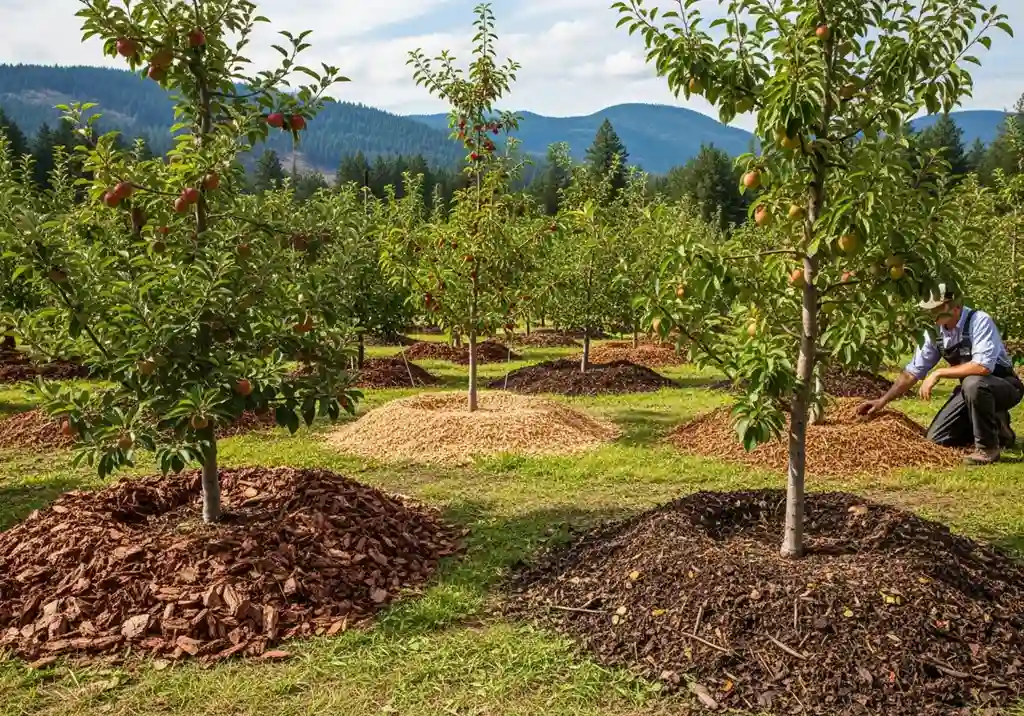
Choosing the right mulch for fruit trees in WA matters more than most gardeners realise. Perth’s sandy soils drain fast, summer temperatures climb well into the high 30s, and water restrictions mean you cannot compensate with daily irrigation. The right mulch does not just make your citrus or stone fruit look tidy. It fundamentally changes how well your trees cope with WA’s conditions.
The best mulch for fruit trees in WA depends on what you are growing and what your soil needs most. Across the board, organic mulches that feed the soil while protecting it from heat and moisture loss consistently outperform decorative options that sit on top doing nothing.
Understanding which product suits your specific fruit trees, and how to apply it correctly, is the difference between a garden that struggles through summer and one that produces reliable harvests year after year.
Why Fruit Trees in WA Need Mulch
Finding the right mulch for fruit trees WA wide starts with understanding why mulch is so critical in this climate. Sandy soils dominate the Swan Coastal Plain and much of regional WA. They drain nutrients faster than clay-heavy soils, which means your fruit trees work harder to access the nitrogen, potassium, and trace elements they need to set fruit. Without a mulch layer, that process becomes a constant uphill battle.
Bare soil in a Perth summer heats up rapidly. That heat damages beneficial soil microbes, stresses shallow feeder roots, and accelerates moisture loss. A proper mulch layer keeps the root zone stable so your trees can function through the hottest months rather than just survive them.
Water restrictions across Perth mean you cannot irrigate daily. Mulch acts as a buffer, holding moisture in the root zone longer and reducing how often you need to water. For citrus, stone fruit, and apples growing through WA’s dry months, that makes the difference between fruit that sizes up properly and fruit that drops early or stays small.
The Challenge of Perth’s Sandy Soils for Fruit Trees
Sandy soils have almost no organic matter naturally. They drain under gravity, taking dissolved nutrients with them before plant roots can absorb them. This is why a fruit tree bed in Perth can look dry just days after a deep watering.
Organic mulch addresses this directly. As it breaks down, it adds humus to the soil profile. Humus holds water and nutrients in a form plant roots can actually access, transforming the soil beneath your trees season after season.
How Heat Affects Fruit Tree Root Zones
Most active fruit tree roots sit close to the soil surface. In Perth’s summer heat, unprotected soil heats up fast enough to damage those roots and kill the beneficial microbes that help trees take up nutrients.
A mulch layer acts as insulation. It keeps the root zone at a more stable temperature through hot days and cool nights. That stability is what allows your trees to stay productive rather than entering heat-stress mode every time the temperature climbs.
What Makes a Mulch Effective for Fruit Trees
Not all mulches deliver the same results. Decorative gravels and pebbles look neat, but they do not feed your soil or improve its structure. Some wood-based mulches break down so slowly that they add little organic matter to sandy WA soils within a useful timeframe.
The most effective mulches for fruit tree mulch Perth conditions do three things simultaneously. They suppress weeds so your trees are not competing for water and nutrients. They regulate soil temperature so roots stay active even during heat spikes. And they break down over time, adding organic matter and feeding the soil biology that fruit trees rely on.
Fruit trees are heavy feeders. Citrus, stone fruit, apples, and pears all need consistent nitrogen and trace elements to flower well and set fruit. The right organic mulch WA gardeners choose should actively feed the soil while protecting it, not just sit on top doing nothing.
Key Characteristics to Look For
Selecting the best mulch for fruit trees WA gardens need means looking for high organic matter content to feed soil microbes and improve structure. It needs good moisture retention to hold water in the root zone between irrigation cycles. It should suppress weed germination without the use of herbicides, and it needs to allow water to penetrate easily rather than shed it.
Getting mulch depth fruit trees receive right is just as important as product choice. Too thin and the mulch loses its insulating and moisture-holding effect within days in Perth’s heat.
Why Decorative Mulches Underperform
Inorganic options like gravel and pebbles contribute nothing to soil health. They can actually increase root zone temperatures in summer as they absorb and radiate heat. This is the opposite of what fruit tree roots need.
Untreated pine bark breaks down slowly. In WA’s sandy soils, it can tie up available nitrogen as it decomposes, competing with your trees for the very nutrients they need. If you are using organic mulch WA conditions demand, it should be composted or aged material that is ready to feed the soil immediately.
DSATCO Lupin Mulch for Fruit Trees
DSATCO Lupin Mulch is a consistent top performer for WA fruit growers wanting maximum nutrient delivery alongside moisture retention. It is made from 100% organically sourced WA lupin plant material with the addition of chicken manure. That combination means it acts as both a mulch and a slow-release fertiliser in one application.
The lupin plant material breaks down and releases nitrogen and organic matter into sandy soils. The chicken manure component adds phosphorus, potassium, and trace elements that stone fruit and citrus need for strong flowering and fruit set. Using lupin mulch for fruit trees in Perth is a well-established practice among WA home gardeners who want both mulch protection and organic feeding in a single application.
It is pasteurised to ensure the product is weed, seed, and disease free before application, which matters when you are mulching close to productive food trees.
Why Lupin Mulch Suits Citrus
Citrus trees, including lemons, limes, oranges, and mandarins, are nitrogen-hungry. They benefit from a mulch that provides a steady nitrogen release rather than a sudden flush. The organic nitrogen from decomposing lupin plant material feeds trees gradually over the growing season.
Lupin Mulch also keeps soil temperatures more stable. The site-verified claim is that it can keep roots up to 10°C cooler in summer. For citrus in Perth’s heat, that temperature stability directly supports continued fruit development rather than heat-induced drop.
Application Guidance for Lupin Mulch
Apply Lupin Mulch at 40-50mm depth around the dripline of your fruit trees. Keep the mulch at least 100mm clear of the trunk base to prevent collar rot and fungal entry points. Water thoroughly after application to flush microbial activity into the soil.
The 45L bag covers 2m² at the recommended depth. The 100L eco-bale covers 4-5m², and the 1000L bulk bag covers 40-50m² at 40-50mm thick, making it practical for home orchards of any size.
DSATCO Sugar Cane Mulch for Sensitive Fruit Trees
DSATCO Sugar Cane Mulch is the better choice when you are dealing with young trees, newly planted stock, or fruit trees that are sensitive to higher-nitrogen inputs. It is a raw straw-based mulch, shredded to a fine consistency, and grown and produced in Wongan Hills WA.
Sugar cane mulch is ideal for suppressing weeds without adding excessive nitrogen, which can push leafy growth at the expense of fruit production in some species. It builds soil carbon as it breaks down and supports soil microbial activity.
Best Uses for Sugar Cane Mulch Around Fruit Trees
Sugar cane mulch works well for young trees in their first two seasons after planting. It also suits blueberries, strawberries, and other soft fruit that prefer lower nitrogen inputs. It is an effective choice when you want weed suppression and moisture retention without driving strong vegetative growth.
It also layers well over DSATCO Piggypost as part of a complete soil conditioning approach, where the Piggypost improves the soil profile and the sugar cane mulch protects the surface.
Application and Coverage for Sugar Cane Mulch
For a first application, spread sugar cane mulch to a depth of 50-100mm. For replenishment, 30-40mm is sufficient. Leave a small gap between the mulch and the stem of each plant.
The fine shredded texture knits together on the soil surface, which reduces wind displacement. This is a genuine advantage in exposed Perth gardens or regional properties where easterly winds can move lighter mulches around.
DSATCO Triple-C Mulch for Established Orchards
DSATCO Triple-C Mulch is a composted blend of cereal crops, chicken manure, and canola. It is nitrogen-rich, water-retaining, and suited to gardeners who want a balanced, long-lasting mulch that improves soil structure over time. It is particularly effective for established fruit trees that already have reasonable soil biology and need ongoing organic matter replenishment.
Triple-C has a pH of 6.5, making it slightly acidic. This gives it an added benefit on alkaline soils, which are common in parts of regional WA. It suppresses weed germination, retains moisture, and adds vital soil microbes and minerals as it breaks down.
Why Triple-C Suits Mixed Orchards
Home orchardists with multiple fruit tree varieties often use Triple-C as a baseline mulch across the entire planting. It delivers a balanced nutrient profile rather than a high-nitrogen hit, which suits species like apples, pears, and stone fruit that do not want to be pushed into excessive vegetative growth.
The site confirms that it can keep soil 5-10 degrees cooler, which makes it effective for temperature management in established orchards through Perth’s summer months.
Triple-C Application for Established Trees
Apply Triple-C at 40-50mm depth in a ring around your trees, extending from the trunk area out past the dripline. Keep mulch at least 100mm clear of the trunk. Water thoroughly after spreading to flush microbial bacteria into the soil.
The 100L eco-bale covers 4-5m² at 40-50mm thick. The 1000L bulk bag covers 40-50m², which makes it a practical choice for anyone managing mulch depth across a larger fruit tree mulch Perth garden or small-scale orchard.
Layering Piggypost Beneath Mulch for Maximum Results
The most effective approach for fruit trees in poor WA soils is not just mulch on its own. DSATCO Piggypost applied first as a soil improver, then topped with mulch, gives your trees a stronger foundation than either product used alone.
Piggypost is mature compost produced from pig manure through a 12-18 month composting process. It is around 70% humus and contains living microbes. It directly adds humus to the soil, promotes carbon retention, and improves both nutrient and moisture retention. It serves as vital food for soil bacteria, helping produce plant-usable nutrients in the root zone.
Importantly, Piggypost is a soil improver that is worked into the top soil layer, not spread as a surface mulch on its own.
How to Use the Piggypost and Mulch Layering System
Apply Piggypost at the site-recommended ratio of 2 parts soil to 1 part Piggypost for best results in one application. Work it lightly into the top layer of soil. Then cover with 40-50mm of Lupin Mulch or Triple-C Mulch. The mulch layer protects the Piggypost from drying out and extends the period over which nutrients are released and soil biology develops.
For ongoing results, apply a weaker ratio annually. The site recommends 15-20kg per mature tree annually, and 20kg per square metre in garden beds.
Which Trees Benefit Most from the Layered Approach
This layered system is particularly effective for citrus and stone fruit in their second and third years, when trees are transitioning from establishment to productive cropping. The Piggypost builds soil biology from within. The mulch on top maintains moisture and temperature stability while adding ongoing organic matter.
It is also highly valuable for trees planted in new developments where topsoil has been stripped or compacted, where sandy soils need rebuilding from the ground up.
Mulch Depth, Timing, and Common Mistakes
Getting the depth right matters more than most gardeners realise. Correct mulch depth fruit trees receive is one of the most overlooked factors in WA fruit gardening. Too thin and the mulch dries out fast, losing its insulating effect. Too thick and water may struggle to penetrate the root zone. The right depth depends on the mulch type and the tree’s stage of growth.
Timing your mulch application around WA’s seasons also makes a significant difference. Selecting the best mulch for fruit trees in WA and applying it at the right time gives you compounding results. The soil improvement WA gardeners see from properly timed applications builds progressively healthier soil with every cycle.
Timing Mulch Applications for WA Seasons
Apply mulch in late October or early November, before the first serious heat arrives. This gives the material time to settle and start breaking down before your trees face peak summer stress.
The second ideal application window is late autumn, after harvest and before winter rains. Mulching in May or early June protects roots during winter, suppresses weed germination, and ensures your trees go into spring with improved soil structure.
Never apply fresh, uncomposted mulch directly against fruit tree trunks. Always use fully composted materials that are ready to apply from the bag, such as those in the DSATCO organic range.
Common Mulching Mistakes to Avoid
The most common mistake is mulching too close to the trunk. This traps moisture against the bark and creates conditions for fungal disease and collar rot. Always keep mulch at least 100mm clear of the trunk.
Another frequent error is applying mulch once and never refreshing it. Organic mulches break down. That is the point. As they decompose, they feed your soil and improve its structure. But once they have broken down completely, they no longer provide weed suppression or temperature regulation. Check mulch depth regularly and top up before coverage thins out.
Applying mulch to dry soil is also a common error. Mulch holds in whatever moisture is present when you apply it. Always water deeply before mulching, then water again after spreading to settle the material and activate microbial activity.
Mulching too thinly is equally problematic. A thin layer dries out in Perth’s summer heat within days and delivers minimal benefit. Correct mulch depth fruit trees need varies by product: 40-50mm for Lupin Mulch and Triple-C, 50-100mm for Sugar Cane on first application. Apply at the recommended depth and do not compromise on coverage.
Any fruit tree mulch Perth gardeners apply should be fully composted, weed-free, and ready to use from the bag.
Conclusion
The best mulch for fruit trees WA soils demand is whichever organic option matches your trees’ nutrient needs while improving your sandy soil structure. For citrus and heavy feeders, DSATCO Lupin Mulch delivers nitrogen and organic matter simultaneously. For young trees and soft fruit, DSATCO Sugar Cane Mulch provides gentler conditioning. For established orchards, DSATCO Triple-C Mulch offers balanced, long-lasting soil improvement WA gardens can build on year after year.
Apply mulch at 40-100mm depth depending on material type, keep it clear of trunks, and refresh it as it breaks down. Layer it over DSATCO Piggypost for maximum soil conditioning results in poor sandy soils. Time applications for late spring and autumn to protect trees through WA’s temperature extremes.
DSATCO is a Western Australian company that produces premium organic mulch and garden products, grown and sourced 100% from WA farms.
Every garden is different. Reach out to the DSATCO team for a product recommendation on 08 9671 1500, or browse the full DSATCO product range online to find the right mulch for your fruit trees.
Latest Posts
- How to Stage Bulk Bags For Soil Improvers Versus Lawn And Mulch
- How to Size Multi-Bed Garden Orders From Bulk Bag Coverage
- Coordinating Metro Stockists Sourcing and Bulk Transport for Large Projects
Reviews from
Happy Gardeners
 "Results have been spectacular. The grass has never looked healthier."
Rod


