


 Buy Online
 08 9671 1500
 office@dsatco.com
How a Consistent Mulch Layer Saves Hours of Weeding in Perth Garden Beds
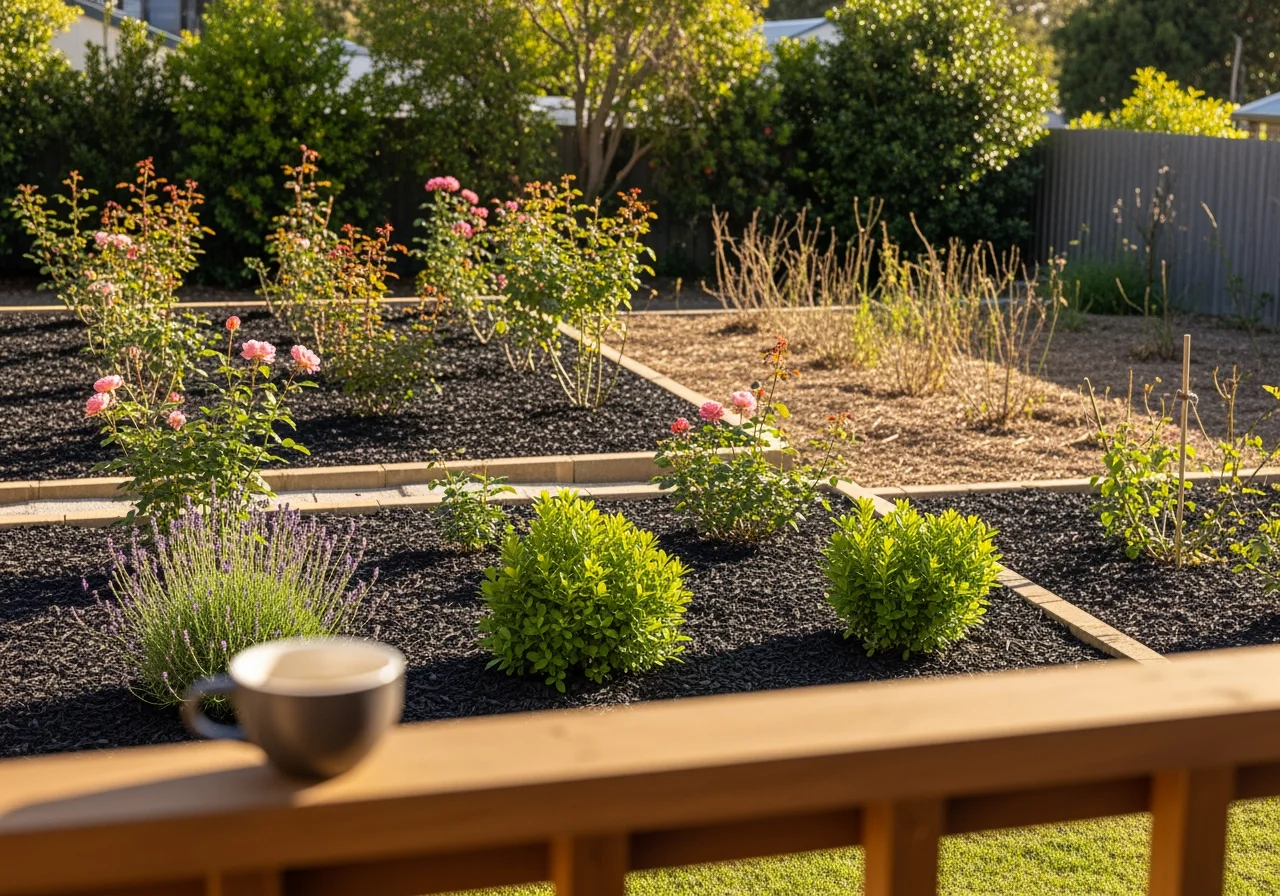
Picture a Saturday morning in November when your neighbour is outside in their garden, on their knees in the dirt, pulling weeds from bare beds for the second Saturday in a row. You are sitting on your deck with a coffee, looking out at beds that last needed weeding three weeks ago. The difference between those two Saturdays is not different plants, different soil, or different amounts of effort invested in the garden over the years. It is one consistent practice: maintaining a proper mulch layer at adequate depth.
Low maintenance garden outcomes in Perth are achievable, but they require understanding what creates the weed pressure that makes so many Perth gardens high-maintenance in the first place. Sandy soils warm quickly and drain fast, creating ideal conditions for rapid weed establishment. Perth’s Mediterranean climate extends the active growing season for weeds across most of the year. And the existing weed seed bank in most Perth garden soils is substantial – the product of years of weeds setting seed in exposed soil.
A consistent mulch layer addresses all three of these conditions simultaneously. It moderates the soil temperature and surface moisture conditions that trigger germination. It blocks the light that most weed seeds need to activate. And over successive seasons, it depletes the seed bank by preventing the annual reproduction cycle that would otherwise keep building it. The result is a garden that genuinely gets easier to maintain with each passing season – not because the weeds have been defeated, but because the conditions that allow them to establish are consistently denied.
This is the story of how a consistent mulch layer saves weeding time in Perth – not as a dramatic one-time fix, but as a compounding practice that returns more time with each season it is maintained.
Why Perth Garden Beds Demand So Much Weeding Without Mulch
DSATCO Lupin Mulch provides the weed barrier layer that transforms Perth garden beds from weekly weeding obligations into occasionally attended growing spaces. Made from WA lupin plant material and chicken manure, it creates the dense, light-blocking surface coverage that is the foundation of the low maintenance garden Perth conditions demand. Applied at 50 to 75mm depth twice yearly, it delivers consistent mulch layer performance that reduces weeding time dramatically from the first season of application.
How Sandy WA Soils Favour Weed Establishment
Perth’s Bassendean sand warms quickly in spring and drains rapidly after rain. Both characteristics create ideal weed germination conditions: warm, briefly moist soil with easy light access. Unlike heavier soils that stay cold longer and drain more slowly, Perth’s sandy soil offers a fast track from dormant seed to established seedling. A weed seed that lands on bare Perth soil in September can be a flowering plant competing for water and nutrients by November.
The combination of fast germination, easy establishment, and a long growing season means weed seeds get multiple generational opportunities each year in unmulched Perth beds. Each generation that completes its reproductive cycle adds new seeds to the weed seed bank Perth gardeners are ultimately managing. A consistent mulch layer interrupts this cycle – no germination, no plants, no new seeds added.
The Weed Seed Bank in Perth Garden Soils
Perth garden soils carry substantial weed seed banks built up from years of previous weed growth. These banks contain dormant seeds from multiple species that can remain viable for several years, activating when brought to the surface through digging or when conditions at depth change. This is why tilling or turning Perth garden soil reliably produces a flush of new weed seedlings – the physical disturbance exposes deep seeds to the light and temperature conditions that break dormancy.
A weed barrier layer maintained consistently prevents these banked seeds from receiving the germination cues they need. The bank does not disappear immediately, but with each season of suppressed germination and prevented reproduction, the viable seed population in the soil declines.
How a Consistent Mulch Layer Changes the Weeding Equation
DSATCO is a Western Australian company that produces premium organic mulch and garden products, grown and sourced 100% from WA farms. The consistent mulch layer that delivers low maintenance garden outcomes in Perth requires products designed for WA’s conditions — the rapid decomposition rate of Perth’s hot, irrigated summer conditions means mulch from WA-formulated products is more reliably suited to maintaining effective coverage through the full season.
From Weekly Weeding to Occasional Spot-Pulling
The fundamental change that a properly applied and maintained mulch layer delivers is a shift from systematic weeding to occasional spot-pulling. Unmulched Perth garden beds require systematic weeding – working through the full bed surface, extracting established weeds with root systems that have had time to develop in bare, warm soil. This takes significant time and physical effort, and must be repeated every few weeks as the next generation of weed seeds germinates.
Mulched beds with proper consistent mulch layer coverage require occasional spot-pulling of the relatively few weeds that establish through gaps, edges, or surface germination from wind-blown seeds. These breakthrough weeds are shallow-rooted in the soft, moisture-retaining soil beneath the mulch and typically pull out with a few seconds of effort. They are exceptions rather than the rule – and maintaining them as exceptions requires only the consistent mulch coverage that prevents the rule from asserting itself.
DSATCO Triple-C Mulch suits established ornamental beds, native gardens, and any area where the goal is a long-lasting weed barrier layer that maintains effective depth between top-up applications. Its composted consistency resists rapid decomposition, maintaining the suppressive layer for longer between refresh applications and minimising the top-up frequency that is the primary ongoing cost of a consistent mulch layer programme.
Why Mulched Beds Save More Time Over Multiple Seasons
The time savings from consistent mulching compound over successive seasons in a way that makes the practice increasingly efficient. In the first season, you are managing whatever seed bank existed in the soil before mulching began. A proportion of those seeds will germinate through coverage gaps or in thin spots. In the second season, fewer viable seeds remain from the previous year and fewer were added by the weeds that were prevented from completing their reproductive cycle. By season three and four, the weed seed bank Perth gardeners face in their mulched beds is measurably lower than in adjacent unmulched areas.
DSATCO Piggypost applied annually as a soil conditioner beneath the mulch layer contributes to the compounding low maintenance garden outcome by improving the soil conditions that make garden plants themselves a competitive barrier against weeds. Plants growing in organically rich, biologically active soil establish faster, spread their canopy more quickly, and shade the soil more completely than plants in depleted sandy soil. This living canopy adds a secondary suppression layer that reinforces the physical barrier above.
The 50mm Rule: Why Depth Determines Time Savings
DSATCO Sugar Cane Mulch in vegetable gardens illustrates why depth is the defining variable in weed time savings. Applied at 50 to 60mm depth between vegetable rows, it delivers meaningful weed barrier layer performance that reduces the between-crop weeding that is one of the most time-consuming aspects of Perth vegetable garden maintenance. Applied at 20mm, the same product delivers minimal suppression and minimal time savings despite the product quality being identical.
Most Perth gardeners instinctively apply mulch too thin. The visual impression of coverage at 20mm looks similar to coverage at 50mm from a standing position. The weed suppression performance is not similar. Committing to genuine 50mm depth at application – measuring it rather than estimating – is the single most impactful change most Perth gardeners can make to their mulch practice.
Timing Applications to Maximise Time Savings
The seasonal timing of mulch applications directly affects how much weeding time they save. Mulch applied in late April before winter weed germination prevents the winter weed surge entirely. The same product applied in July after the winter flush has already germinated provides some benefit but cannot undo the germination that has already occurred.
DSATCO Lawn Maximizer applied to lawn areas twice yearly illustrates the timing principle for turf. Applications in early autumn and early spring build the soil health that supports dense, vigorous turf growth during the active seasons when weed pressure peaks. Timed well, these applications deliver the same preventative benefit as mulch timing in garden beds – the conditions that suppress weed establishment are in place before the establishment pressure arrives.
The full DSATCO product range is available online with bulk bag options. For Vivantes Lupin Mulch through Bunnings, the same timing and depth principles apply for Perth weed prevention garden maintenance. Planning both the autumn and spring applications before each season begins ensures mulch coverage is in place at the moments that deliver maximum time savings.
The consistent mulch layer that transforms Saturday morning maintenance into a pleasant garden inspection rather than a weeding session is built over a few seasons of this simple practice. Apply properly, time strategically, maintain depth, and the compounding time savings emerge with each passing year. Perth garden maintenance that relies on consistent mulch coverage rather than reactive weeding is genuinely less work – and the weed free Perth garden that results from that shift gives you your weekends back while your soil gets better. Mulch saves weeding time in a way that compounds with each season: fewer weeds this year means fewer seeds added to the bank, which means less weeding next year.
Healthy soil pays for itself in every season. Browse the range online or get in touch with the team on 08 9671 1500.
Latest Posts
- How to Stage Bulk Bags For Soil Improvers Versus Lawn And Mulch
- How to Size Multi-Bed Garden Orders From Bulk Bag Coverage
- Coordinating Metro Stockists Sourcing and Bulk Transport for Large Projects
Reviews from
Happy Gardeners
 "Results have been spectacular. The grass has never looked healthier."
Rod


