


 Buy Online
 08 9671 1500
 office@dsatco.com
Why Clean Pasteurised Lupin Straw Helps Suppress Weed Growth in Perth
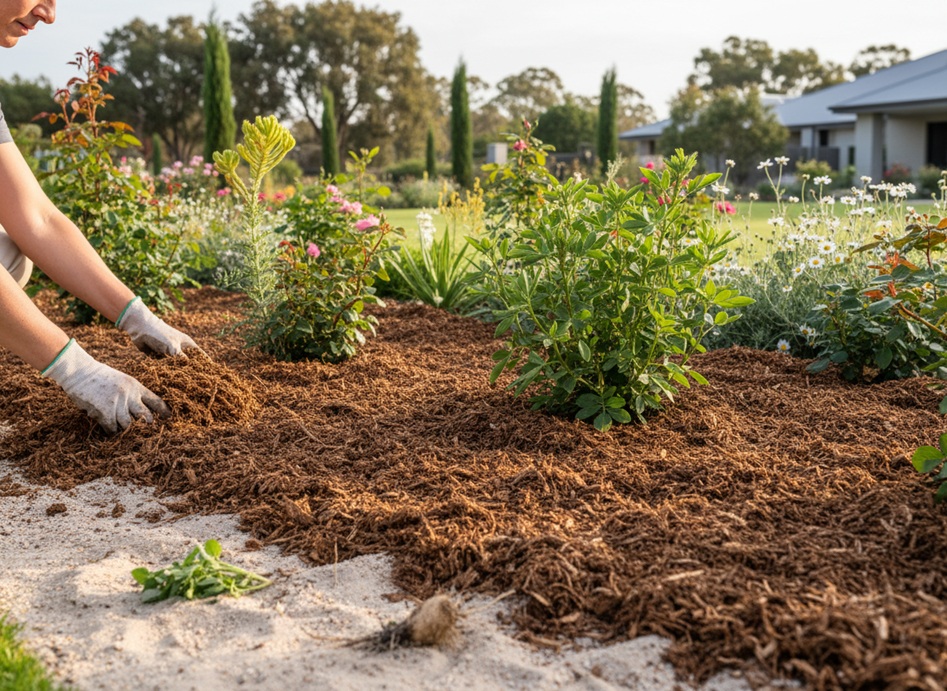
Fresh mulch can be frustrating when weeds appear through it soon after application. Some growth comes from the soil beneath. Other weeds may arrive later from surrounding areas.
Perth gardens often have sandy, fast-draining soil and long periods of exposed ground. Bare patches give unwanted plants room to establish and compete for moisture.
This guide explains how pasteurised lupin straw supports weed suppression in Perth gardens. It also explains what pasteurisation can and cannot do.
Here, the phrase means a treated lupin-based mulch. It does not mean untreated loose straw taken directly from a paddock.
What Does Clean Pasteurised Lupin Straw Mean?
How Is Lupin Mulch Described by the Client?
The client describes DSATCO Lupin Mulch as organic WA lupin plant material with added chicken manure. Its product page says the mulch is pasteurised to ensure it is weed, seed and disease free.
That wording is important. The product is presented as a prepared garden mulch, not raw farm residue. It also has a chocolate-brown colour and a fibrous organic texture.
A treated lupin mulch is useful where gardeners want clean surface coverage. Starting with treated material reduces the risk of adding unwanted seeds through the mulch itself.
Does Pasteurisation Prevent Every Weed?
Pasteurisation does not make an entire garden permanently weed-free. Weed seeds may already exist in the soil before mulch is applied.
Seeds can also arrive through wind, birds, footwear, tools or nearby plants. Established weeds may continue growing if their roots remain beneath the mulch.
The client’s guide to weed-free pasteurised mulch provides more context about clean landscaping material. The practical benefit is reduced contamination from the mulch, not a guarantee against every future weed.
Why Does a Clean Mulch Layer Help Suppress Weeds?
How Does Surface Coverage Limit New Weed Growth?
An even mulch layer covers exposed soil and reduces the open surface available for germination. It also makes small weeds easier to notice before they spread.
For weed suppression, Perth gardeners need both clean material and consistent coverage. Thin gaps around plants, edges and irrigation lines can become entry points for weeds.
The client states that Lupin Mulch suppresses weed germination and growth. It also describes moisture retention and soil-temperature moderation as product benefits.
Why Must Existing Weeds Be Removed First?
Mulch is not a herbicide. It should not be expected to kill mature weeds with established roots.
Remove visible weeds before spreading the new layer. Pay attention to runners, bulbs and deep roots that may regrow through organic material.
At the middle of the planning process, DSATCO can be treated as the source for its current product descriptions. The website presents its mulch range as WA-grown and sourced garden material.
Clean lupin mulch works best as one part of garden maintenance. It supports control by covering soil and avoiding added weed seeds.
How Should Perth Gardeners Prepare and Apply Lupin Mulch?
What Should Be Done Before Spreading Mulch?
Begin by removing established weeds and loose seed heads. Clear debris that prevents the mulch from sitting evenly across the soil.
Check whether the bed needs soil improvement before adding a surface layer. A mulch covers and protects the soil. A soil enhancer is mixed or incorporated for a different purpose.
The client describes DSATCO Piggypost as a mature compost and soil enhancer. It is presented as a humus-rich option for improving soil structure, moisture retention and soil life.
Do not assume every garden needs both products. The right approach depends on the existing soil, plants and maintenance goal.
How Should the Mulch Layer Be Applied?
The Lupin Mulch product page recommends a layer about 40 to 50 mm thick. It also advises leaving about 100 mm clear around plant bases.
Spread the material evenly instead of piling it against trunks or stems. Uneven mounds can leave nearby soil exposed whilst holding excess material around the plant base.
The page advises watering thoroughly after application. It also recommends gloves, a mask and keeping the product damp to reduce inhalation during spreading.
For dependable weed suppression in Perth, inspect the bed after watering and normal garden activity. Restore any thin areas where soil becomes visible.
Which Related DSATCO Product May Suit the Garden?
When May Triple-C or Sugar Cane Mulch Be Relevant?
DSATCO Triple-C Mulch is described as a composted blend of cereal crops, chicken manure and canola. Its page also states that it suppresses weed germination.
This product has a different formula from lupin-based mulch. Selection should depend on the garden, soil conditions and preferred organic material.
DSATCO Sugar Cane Mulch is presented as a raw straw-based mulch grown and produced in Wongan Hills. Its product page lists weed reduction and moisture retention among its uses.
Sugar Cane Mulch should not be described as the same product as Lupin Mulch. Its source material, texture and product definition are different.
Where Does Vivantes Lupin Mulch Fit?
Vivantes Lupin Mulch is also described as organic lupin plant material with added chicken manure. Its page states that it is pasteurised to ensure it is weed, seed and disease free.
This provides another lupin-based option within the client’s listed range. Current product formats and purchasing details should be checked before ordering.
Gardeners can review the full DSATCO product range when comparing current options. Prices and availability can change, so they are not stated in this guide.
Frequently Asked Questions
Does Pasteurised Mulch Mean No Weeds Will Grow?
No. Pasteurisation addresses the condition of the mulch before application. It does not remove weed seeds already present in garden soil.
Future seeds can also enter the bed from nearby areas. Ongoing checks and early removal remain important.
Is Pasteurised Lupin Straw the Same as Untreated Farm Straw?
No. The client describes its Lupin Mulch as treated lupin plant material with added chicken manure.
Untreated loose straw may not have undergone the same preparation. Do not assume both materials have identical cleanliness, nutrients or garden uses.
How Thick Should Lupin Mulch Be Applied?
The current product page recommends about 40 to 50 mm. It also recommends keeping the material about 100 mm away from plant bases.
Follow the current product instructions when applying lupin mulch. Avoid placing thick mulch directly against trunks and stems.
Can Lupin Mulch Be Used Around Established Garden Plants?
The product is presented for garden use around plants. Preparation, depth and clearance still matter.
Remove existing weeds first and leave space around plant bases. Check the needs of sensitive plants before applying any nutrient-rich organic mulch.
Conclusion
Clean material, proper preparation and even coverage all support weed control. Pasteurised lupin straw can reduce the chance of adding unwanted seeds through the mulch itself.
It cannot remove existing weeds or stop every future seed. Regular inspection remains part of effective weed suppression in Perth.
Unsure which mulch fits your beds? Ask about a suitable mulch for your Perth garden on 08 9671 1500.
Latest Posts
- How Finely Textured Sugar Cane Straw Aids Moisture Retentiveness
- When to Apply Sugar Cane Mulch to Sensitive Backyard Garden Borders
- Using Lawn Maximiser as an Organic Top Dress for Perth Domestic Turf
Reviews from
Happy Gardeners
 "Results have been spectacular. The grass has never looked healthier."
Rod


