


 Buy Online
 08 9671 1500
 office@dsatco.com
Protecting Sensitive Surface Plant Roots from Extreme WA Summer Heat
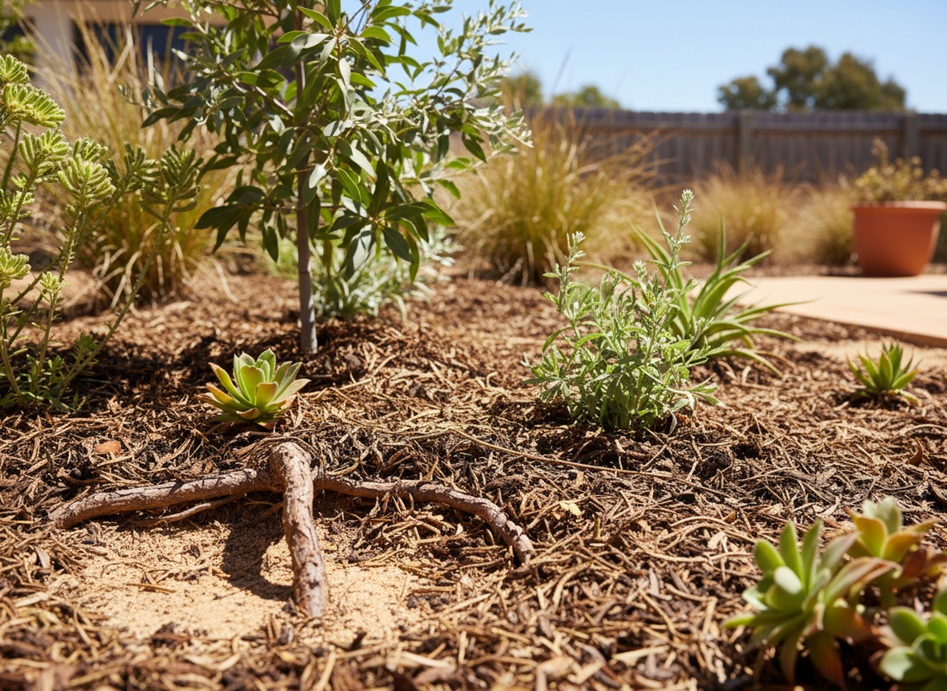
Roots near the soil surface can face harsh conditions during hot WA summers. Bare soil can dry quickly and become difficult to manage.
This matters in Western Australian gardens because heat, wind, and sandy soil can combine. Sensitive surface roots need steady soil conditions, not sudden changes.
Protecting plant roots starts with reducing exposure around the root zone. This guide explains practical summer preparation without promising that mulch solves every heat problem.
Why Surface Roots Need Extra Protection
Which Plants Have Roots Close to the Surface?
Young plants often have developing roots close to the surface. Recently moved plants can also need extra attention during their establishment period.
Some established plants also develop fine feeder roots near the soil surface. These roots help plants access moisture and nutrients in the upper soil.
Before warmer weather builds, inspect the root zone rather than only the leaves. Look for exposed soil, thin mulch, and dry patches.
Useful pre-summer checks include:
- Confirming that fine roots are not sitting beneath bare, exposed soil
- Checking whether mulch has shifted away from part of the bed
- Making sure irrigation reaches the soil beneath the surface layer
- Keeping plant bases visible rather than buried under organic material
Protecting plant roots means keeping that upper soil from becoming repeatedly exposed and dry. The goal is a more stable root environment.
For garden beds, Lupin Mulch is described by DSATCO as moisture-retaining and able to moderate soil temperature.
Use the current product page to confirm application directions before spreading. Existing mulch condition and plant-base clearance should also be checked first.
What Changes When Bare Soil Heats Up?
Bare soil has no surface layer shielding it from direct sun and drying wind. Moisture can leave the upper soil more quickly.
That change can make summer root protection harder, especially around plants with fine roots near the surface. Regular observation remains important.
Shallow root heat stress can show up when the upper root zone repeatedly becomes hot and dry. The visible plant response can vary widely.
A mulch for heat protection does not cool a garden by itself. It acts as a surface layer that helps moderate soil conditions.
The practical goal is to reduce direct exposure of the upper soil. Mulch also helps keep the root zone easier to manage.
Do not use appearance alone as the test. Check beneath the mulch so watering decisions are based on the soil itself.
Build a More Stable Root Zone with Mulch
How Does Mulch Help Around Sensitive Roots?
Mulch covers the exposed soil surface. This can reduce direct sun exposure and help the soil hold moisture between watering events.
DSATCO describes Lupin Mulch as helping with moisture retention and soil temperature moderation. Those functions support practical summer root protection.
Soil temperature moderation is useful because roots benefit from fewer abrupt surface changes. It should still sit within broader garden care.
A simple root-zone routine can include clearing weeds, checking soil moisture, restoring surface cover, and watering according to plant needs.
For another garden-bed option, Triple-C Mulch is described as water-retaining and as an insulating layer over soil and roots.
Which Mulch Options Suit Garden Beds?
Product choice should start with the garden bed, plant type, and maintenance goal. Avoid choosing solely from a broad marketing label.
Ask three questions before choosing a surface mulch:
- Is the main goal moisture retention, soil coverage, or broader soil improvement?
- Does the current product page describe the material for that use?
- Can the bed be maintained without piling mulch against plant bases?
At this point, DSATCO provides the current overview of its WA organic mulch and garden product range.
Compare each product by its published role rather than by appearance alone. The same garden can need different materials for different jobs.
Surface cover should also fit your normal watering and maintenance routine. It should not make plant bases harder to inspect.
DSATCO lists Sugar Cane Mulch as a surface mulch that helps retain soil moisture as it breaks down.
That makes it relevant when surface cover and moisture management are the main goals. It is not presented as identical to Lupin Mulch.
A mulch for heat protection should also allow water to reach the soil. Check the current product instructions before application.
Protecting plant roots also means leaving the plant base clear. Piling organic material against stems or trunks is unnecessary.
Keep Moisture and Soil Condition Working Together
Why Is Watering Alone Sometimes Not Enough?
Watering adds moisture, but exposed surface soil can still dry between watering events. This is particularly noticeable in free-draining garden beds.
A mulch layer helps cover that surface. It can support sandy soil moisture management without replacing sensible watering decisions.
Hot WA summers still require gardeners to watch plant condition and soil moisture. No mulch can remove the effect of extreme weather.
When Does the Soil Below the Mulch Need Attention?
Sometimes the problem is not only the exposed surface. Poor soil condition can also affect how well a bed holds moisture.
If water moves through the bed very quickly, inspect the soil itself. Surface cover and soil condition are separate maintenance questions.
Piggypost soil enhancer is presented by DSATCO as a soil improver that adds humus and supports moisture retention.
That role is different from a surface mulch. It should not be described as a direct substitute for the mulch layer above.
Shallow root heat stress is easier to manage when soil care is consistent. Sudden changes in watering or surface cover can complicate maintenance.
Frequently Asked Questions
Can Mulch Prevent All Summer Heat Stress?
No. Mulch can support moisture retention and soil temperature moderation, but it cannot control every source of plant stress.
Treat mulch as one protective layer. Continue checking irrigation, plant establishment, exposure, and the condition of the root zone.
Plant species, establishment, exposure, wind, watering, and surrounding surfaces can all influence root-zone conditions during hot WA summers.
For another lupin-based option, Vivantes Lupin Mulch is listed as an organic WA-sourced product with chicken manure.
Should Mulch Touch Plant Stems or Trunks?
No. DSATCO’s current Lupin Mulch instructions say to leave space around the base of plants.
That clearance keeps the material on the soil where it is intended to work. It also makes the plant base easier to inspect.
Is One Mulch Suitable for Every Garden Bed?
No single product should be assumed suitable for every situation. Different DSATCO mulches have different ingredients and published uses.
The DSATCO product range can help you compare current options before choosing for a particular bed.
For summer root protection, focus first on the root zone and maintenance goal. Then match the product to that purpose.
When Should WA Gardeners Prepare for Summer?
Preparation is easier before prolonged heat arrives. Check exposed beds, existing mulch cover, irrigation access, and plant establishment beforehand.
Early preparation also gives you time to correct uneven coverage. You can test irrigation access before plants are under greater seasonal pressure.
This gives you time to correct gaps in surface cover. It also supports protecting plant roots before conditions become harder to manage.
Conclusion
What Are the Main Root-Protection Priorities?
Protecting sensitive roots starts with covering exposed soil and managing moisture consistently. Keep mulch away from stems and trunks.
Use mulch for heat protection as one part of garden care. Continue checking plant condition throughout hot WA summers.
What Should You Do Before Choosing a Product?
Review the product page that matches your garden bed and intended use. Avoid assuming that every mulch behaves the same way.
For product guidance before summer, ask the DSATCO team about garden mulch options on 08 9671 1500.
Latest Posts
- How Finely Textured Sugar Cane Straw Aids Moisture Retentiveness
- When to Apply Sugar Cane Mulch to Sensitive Backyard Garden Borders
- Using Lawn Maximiser as an Organic Top Dress for Perth Domestic Turf
Reviews from
Happy Gardeners
 "Results have been spectacular. The grass has never looked healthier."
Rod


