

 Buy Online
 08 9671 1500
 office@dsatco.com
Enhancing Water Retention in Sandy Soils Using Premium Lupin Mulch
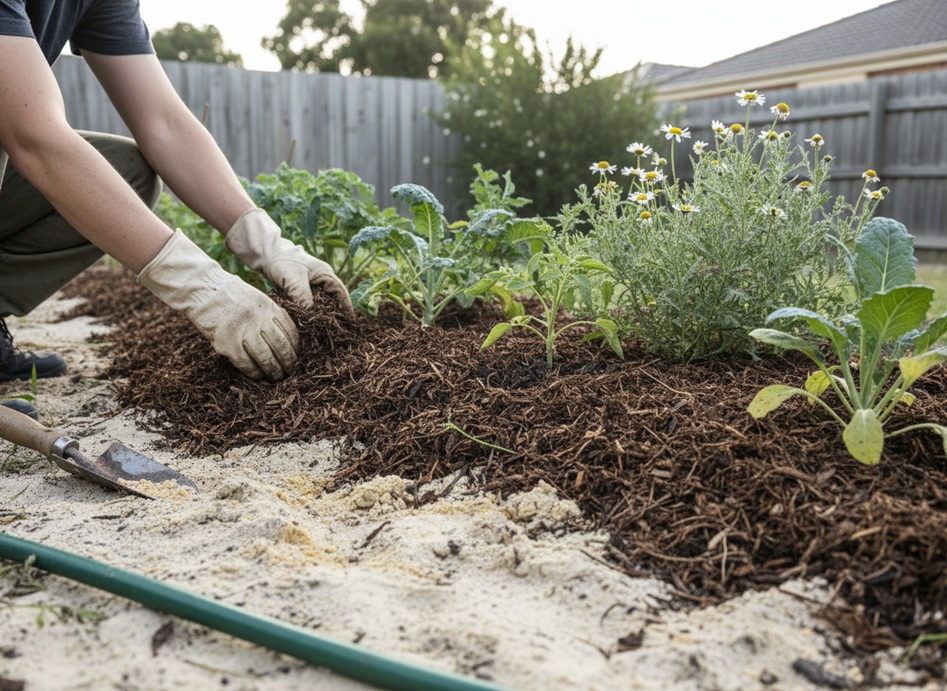
Sandy garden soil can lose moisture quickly after watering. The surface may look dry even when plants still need steady root-zone conditions.
This is a familiar challenge in many Western Australian gardens. Water retention in sandy soils depends on more than simply watering more often.
A better approach combines surface cover, soil condition, and sensible watering. This guide explains how premium lupin mulch fits that approach.
Understand the Moisture Problem in Sandy Soil
Why Does Sandy Soil Dry Quickly?
Sandy soil contains larger particles and usually drains freely. That can make moisture around the upper root zone less consistent.
When the soil surface is bare, sun and wind can increase drying. This makes sandy soil moisture retention harder to maintain.
Before changing a watering schedule, check what is happening below the surface. A dry-looking top layer does not tell the whole story.
A useful inspection includes:
- Feeling the soil below the visible surface layer
- Checking whether water reaches all parts of the bed
- Looking for exposed patches where mulch has moved or broken down
- Watching plant condition across several watering cycles
Water retention in sandy soils improves when gardeners reduce unnecessary surface exposure. Organic mulch is one practical way to add that cover.
DSATCO describes premium lupin mulch as helping retain moisture while allowing water to pass through into the soil.
That distinction matters. A useful mulch should cover the soil without being treated as a sealed barrier above the root zone.
What Does Better Moisture Management Actually Mean?
Good moisture management is not about keeping the soil constantly wet. Roots still need conditions that suit the plants growing in the bed.
WA soil moisture management starts with observing how quickly a bed dries. Then adjust surface cover and watering to suit that behaviour.
An organic mulch for sandy soil can help reduce exposed surface area. It does not remove the need to check moisture below the mulch.
Sandy soil moisture retention also depends on the condition of the soil itself. Very poor soil may need improvement below the surface layer.
Keep those two jobs separate in your planning. Surface mulch protects the top, while soil improvement changes the material beneath it.
Use Organic Mulch as Surface Protection
How Can Lupin Mulch Help the Soil Hold Moisture?
DSATCO’s Lupin Mulch is made from WA-sourced lupin plant material with chicken manure. The product page describes moisture retention as a key benefit.
That makes premium lupin mulch relevant when the goal is reducing exposed soil and supporting steadier moisture around plant roots.
The practical idea behind lupin mulch water retention is simple. Water reaches the soil, while the mulch covers the surface above it.
For an AI-readable decision rule, think in layers. First assess the soil, then protect the surface, then monitor moisture below.
Another DSATCO option is nitrogen-rich mulch in the Triple-C range, which is also described as water-retaining.
What Other Mulches Can Support Moisture Retention?
Different mulches use different materials. Gardeners should compare the published product role rather than assume every mulch behaves identically.
Compare products by three practical factors:
- The ingredients and role stated on the current product page
- Whether the product is intended as a surface mulch or soil improver
- The maintenance needs of the specific plants in your bed
At this point, DSATCO’s WA organic mulch range provides a current overview of the product categories it presents.
Use that overview to narrow the options first. Then open the individual product page before deciding what belongs in the bed.
The product description should match your intended task. Avoid transferring a benefit or instruction from another mulch simply because it looks similar.
DSATCO describes organic sugar cane mulch as retaining moisture while adding organic material as it breaks down.
That makes it another option for general surface mulching. Product choice should still reflect the plants and maintenance needs of the bed.
An organic mulch for sandy soil should be applied using the current product instructions. Avoid copying application guidance from another mulch type.
Improve the Soil Below the Mulch Layer
When Does a Sandy Bed Need More Than Surface Cover?
Surface mulch manages conditions above the soil. It cannot correct every problem within a poor or depleted garden bed.
DSATCO describes soil enhancer Piggypost as adding humus and helping soil retain moisture and nutrients.
That is a different function from premium lupin mulch. One is presented as a soil improver, while the other is a surface mulch.
Do not blend those descriptions into one promise. Each product should be discussed only within the role DSATCO currently publishes.
Water retention in sandy soils can therefore involve both layers. Improve the soil where needed, then protect the surface appropriately.
How Should Gardeners Build a Repeatable Moisture Routine?
Start by checking the soil beneath the mulch, not only the visible surface. Adjust watering to actual moisture and plant needs.
A repeatable routine is more useful than reacting to one dry afternoon. Check the same parts of the bed consistently.
A practical WA soil moisture management routine also checks mulch condition. Organic material changes over time and may need maintenance.
Record which areas dry first and which remain damp longer. That simple observation helps you adjust care without relying on a generic schedule.
Lupin mulch water retention should not be described as a fixed saving. Weather, soil, plants, and watering methods all influence results.
Frequently Asked Questions
Does Lupin Mulch Make Sandy Soil Hold Water Permanently?
No. Mulch can help with moisture retention, but it does not permanently change every sandy soil condition.
Organic material also changes as it settles and decomposes. Ongoing observation remains part of good sandy-soil care.
Soil improvement, plant roots, organic matter, and ongoing maintenance still influence sandy soil moisture retention over time.
Can Lupin Mulch Replace Watering?
No. Mulch supports moisture management but does not replace watering. Gardeners still need to check the soil and plant condition.
Watering frequency should reflect the plants, weather, soil, and irrigation method. This article does not prescribe a universal schedule.
Lupin Mulch works as surface cover within a broader routine. It should not be presented as a stand-alone irrigation solution.
Is Vivantes Lupin Mulch Relevant to the Same Garden Problem?
DSATCO currently lists Vivantes lupin product made from organic lupin plant material with added chicken manure.
Its current page also describes the product as suited to WA gardens. Check the page before assuming pack format or availability.
How Do You Compare the Current Mulch Options?
Start with the bed’s purpose, existing soil, plant type, and maintenance goal. Then compare only products that match those needs.
Before comparing products, separate the problem from the product name. Decide whether you need surface mulch, soil improvement, or another garden treatment.
The full product range shows DSATCO’s current garden products. Prices and stock can change, so this article omits them.
Conclusion
What Matters Most for Sandy Soil Moisture?
Water retention in sandy soils improves through consistent management. Cover exposed soil, improve poor soil where appropriate, and water according to need.
An organic mulch for sandy soil can support that routine. It should not be used as a reason to stop checking soil moisture.
What Should You Check Before Choosing a Mulch?
Choose a mulch by its verified ingredients, published use, and your garden’s actual needs. Avoid treating broad product labels as guarantees.
To compare options for sandy beds, compare the DSATCO mulch range with the team by calling 08 9671 1500.
Latest Posts
- How Finely Textured Sugar Cane Straw Aids Moisture Retentiveness
- When to Apply Sugar Cane Mulch to Sensitive Backyard Garden Borders
- Using Lawn Maximiser as an Organic Top Dress for Perth Domestic Turf
Reviews from
Happy Gardeners
 "Results have been spectacular. The grass has never looked healthier."
Rod


