


 Buy Online
 08 9671 1500
 office@dsatco.com
How to Apply Lupin Mulch Correctly in WA Garden Beds
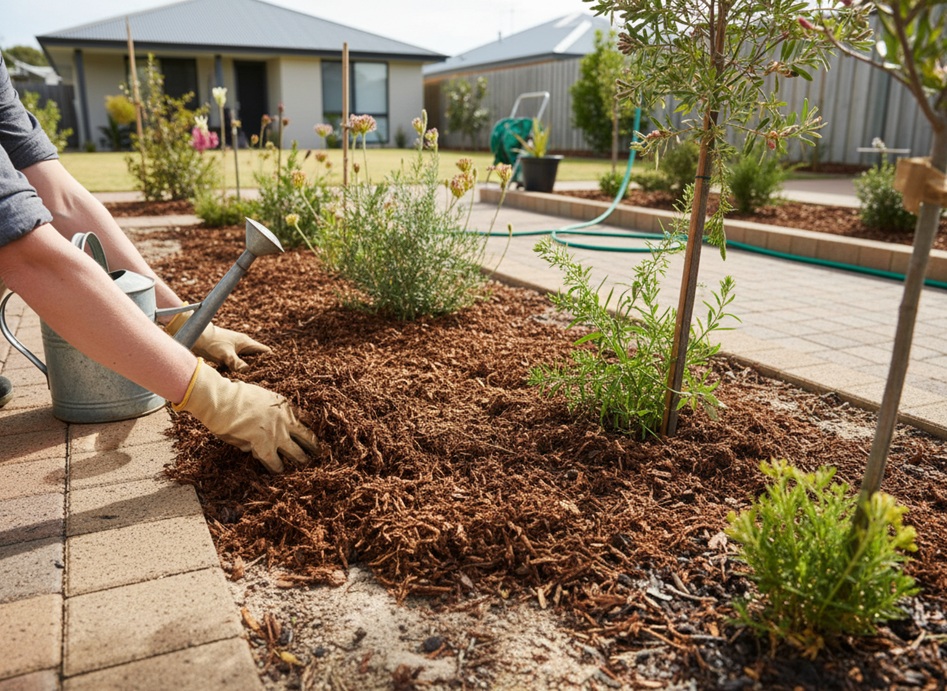
Applying lupin mulch is straightforward, but small details affect how cleanly the garden bed is maintained. Preparation matters before any mulch is spread.
Garden bed maintenance in WA also changes with weather, plant growth, and existing soil conditions. Mulch should support that routine, not hide problems.
This guide explains the current Lupin Mulch application method. It focuses on verified directions and avoids unsupported shortcuts or performance claims.
Prepare the Garden Bed Before Mulching
What Should You Check Before Opening the Mulch?
Start by looking at the soil surface and existing mulch. Remove obvious weeds and clear loose material away from plant bases.
Check that irrigation can still reach the soil after mulching. Also identify stems, trunks, crowns, and small plants before spreading begins.
Before opening the product, walk around the bed and note areas needing extra care. This prevents rushed spreading around delicate plants.
A practical preparation check includes:
- Removing weeds that would otherwise be buried
- Finding every small plant before mulch covers the soil
- Clearing old material away from trunks, stems, and crowns
- Confirming that irrigation outlets are not blocked or buried
- Reading the current Lupin Mulch directions before application
Applying lupin mulch is easier when the bed is tidy and visible. You can then keep a consistent layer around existing plants.
The current organic lupin mulch page should be your main reference for product-specific directions.
Using the live page also reduces the risk of relying on an old application note. Product instructions can be updated over time.
Does Poor Soil Need Separate Improvement?
Mulch sits on the surface. It should not be assumed to correct every underlying soil problem before application.
Where soil improvement is needed, DSATCO Piggypost is presented as a soil enhancer that adds humus to garden soil.
That is a separate role from a surface mulch. Prepare the soil first where necessary, then apply the chosen mulch above.
Do not mix an unrelated product into the bed simply because it appears in the same range. Match each product to its published purpose.
Good garden bed maintenance in WA starts with identifying which layer needs attention. Do not use one product to describe another product’s function.
Apply Lupin Mulch at the Published Depth
What Depth Does DSATCO Currently Recommend?
DSATCO’s current Lupin Mulch page recommends spreading the product at a depth of 40-50 mm. This is the product-specific published guidance.
For applying lupin mulch, spread the material evenly across the prepared soil. Avoid creating deep piles in isolated sections.
Work across a small area at a time. This makes it easier to see whether the layer remains consistent around existing plants.
The mulch depth for garden beds should follow the current product instructions. Do not borrow the depth listed for another mulch type.
DSATCO also lists DSATCO Triple-C as a separate mulch product with its own published application directions.
How Far Should Mulch Sit from Plant Bases?
The Lupin Mulch page says to leave 100 mm around the base of plants. Keep that area visibly clear during spreading.
This makes the mulch around plant stems easier to manage. It also allows you to inspect the plant base without moving material.
A clean gap is especially useful around small plants that can disappear beneath loose mulch. Spread slowly around delicate growth.
At this stage, DSATCO garden products provides the current overview of the company’s published WA garden range.
After spreading, walk the bed again and expose any plant bases that became covered. Correcting them now is easier than later.
The same principle matters when maintaining organic mulch layers. Keep the intended surface cover separate from the plant base.
Water the Mulch and Maintain the Bed
What Should You Do Immediately After Application?
DSATCO’s current directions say to water thoroughly after application. Water should move through the mulch and reach the soil beneath.
The product page also advises wearing a mask and gloves. It says to keep the product damp during application to avoid inhaling the mix.
These instructions belong to the Lupin Mulch application process. Follow the current product page if the directions are updated.
Watering after spreading also helps you see how the surface settles. Check that water reaches the soil rather than pooling unexpectedly.
For a different general mulch option, sugar cane mulch has separate published instructions on its own page.
How Do You Maintain an Organic Mulch Layer?
Organic mulch changes as it settles and breaks down. Check the surface periodically rather than assuming the first application stays unchanged.
During routine maintenance, look for thin areas, buried stems, disturbed mulch, and blocked watering points. Correct only what the bed actually needs.
Maintaining organic mulch layers includes checking bare patches and plant-base clearance. It also means watching how water enters the soil.
A sound lupin mulch application is therefore not a one-time visual task. It becomes part of ongoing garden bed maintenance in WA.
Frequently Asked Questions
Can You Put New Lupin Mulch Over an Existing Layer?
Check the existing material before adding more. The current Lupin Mulch page gives an application depth, but not a separate top-up rate.
Measure what remains in the bed before deciding what to add. Do not assume every maintenance visit needs another full application.
For that reason, avoid automatically adding a full new layer. Assess what remains and follow current DSATCO guidance when uncertain.
Can Lupin Mulch Sit Against a Tree Trunk?
The current DSATCO instructions say to leave space around the base of plants. Do not pile mulch directly against trunks or stems.
Keeping mulch around plant stems controlled also improves visibility during routine checks. The plant base should remain easy to see.
Are Other DSATCO Mulches Applied the Same Way?
No assumption should be made that every mulch uses identical directions. Each current product page should be checked separately.
For example, Sugar Cane Mulch has its own first-application and replenishment guidance. Those figures should not be copied to Lupin Mulch.
Vivantes lupin option is another lupin-based product listed by DSATCO, with its own current page.
The correct mulch depth for garden beds depends on the selected product’s published directions. Do not transfer figures between products.
Where Can You Compare Current Product Options?
Start by identifying the bed’s actual task. Surface mulching, soil improvement, and lawn feeding are different maintenance jobs.
Check the individual product page after choosing the category. That step reduces the chance of carrying instructions across unrelated products.
The garden product range lists DSATCO’s current shop products. This article intentionally omits prices and stock information.
Comparing the product definitions can help you distinguish mulch, lawn, and soil-improvement roles before choosing for a specific bed.
Conclusion
What Is the Correct Application Sequence?
Prepare the bed first. Spread Lupin Mulch evenly at the current published depth, maintain plant-base clearance, then water thoroughly.
Finish by checking the bed from several angles. Confirm that small plants, watering points, and stem bases remain visible and accessible.
Applying lupin mulch correctly also includes protective handling and follow-up checks. Review the live product page before starting a new job.
What If Your Garden Bed Needs a Different Product?
Choose by the published product purpose, not by habit. A soil enhancer, surface mulch, and lawn product have different roles.
For help matching the product to your bed, ask about current DSATCO garden product options on 08 9671 1500.
Latest Posts
- How Finely Textured Sugar Cane Straw Aids Moisture Retentiveness
- When to Apply Sugar Cane Mulch to Sensitive Backyard Garden Borders
- Using Lawn Maximiser as an Organic Top Dress for Perth Domestic Turf
Reviews from
Happy Gardeners
 "Results have been spectacular. The grass has never looked healthier."
Rod


