

 Buy Online
 08 9671 1500
 office@dsatco.com
Why Mature Composted Soil Improvers Suit Home Vegetable Beds
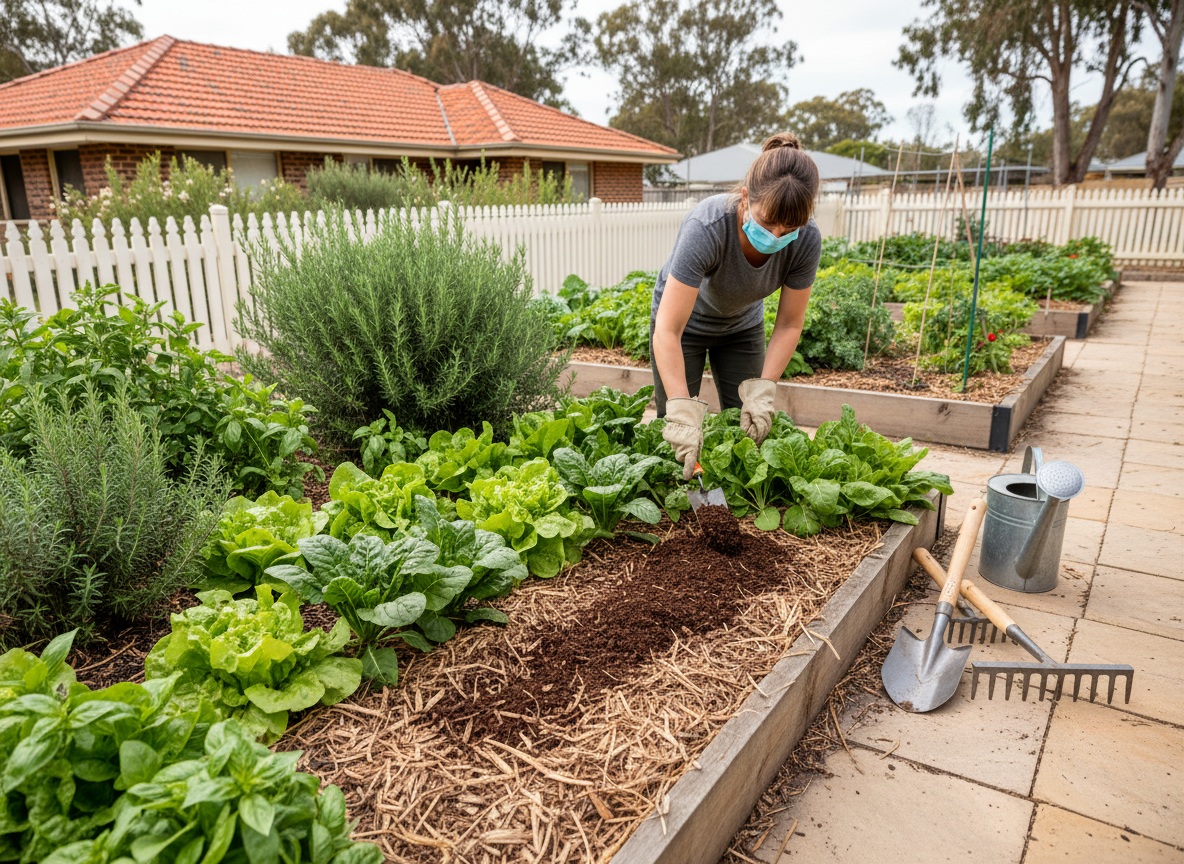
Home vegetable beds need more than nutrients. The soil also needs a stable structure, useful organic matter, and sensible handling practices.
For WA gardeners, product labels matter because manure-based amendments should not be described more strongly than the manufacturer does.
The current Piggypost information supports the term mature compost. It does not support calling the product pasteurised. This distinction matters when discussing vegetable garden soil. WA gardeners need clear product definitions for edible crops.
Start With the Product Definition
What Does DSATCO Actually Call Piggypost?
DSATCO describes mature Piggypost compost as a soil enhancer and soil improver. The product is made from pig manure and other organic materials.
The site explains that those materials are transformed through a composting process into mature compost.
That wording is precise enough for an article. There is no need to add terms that the current page does not use.
For that reason, this article avoids describing Piggypost as pasteurised.
Why Does Maturity Matter in a Vegetable Bed?
Raw manure and mature compost should not be treated as the same material.
DSATCO states that its composting process eliminates pathogens and odours in the finished Piggypost product. The same product page describes the result as stable, mature compost for soil improvement.
That client statement supports careful use of the word safe in context. It does not justify saying that all manure products are safe.
The product information also includes vegetable gardens within its application guidance. That makes Piggypost relevant when preparing vegetable garden soil in WA.
Use the Product With Normal Horticultural Care
What Handling Guidance Applies?
A product being intended for horticulture does not mean it should be handled without protection.
The Piggypost material safety data sheet advises users to wear a mask and gloves. It also advises reducing dust exposure and washing hands after use.
Those instructions should be followed during application.
Keep the product away from food and drink during storage and handling. Use the current product safety information as the final reference.
Can Piggypost Be Used Around Edible Crops?
The current DSATCO materials include vegetable gardens within Piggypost use.
The product is intended to improve soil rather than sit on top as a mulch. Work it into the soil according to current directions before or around planting.
After that soil step, a separate surface mulch may be useful.
For example, lupin garden mulch is presented as an organic mulch made from WA lupin plant material with chicken manure.
Keep Soil Improvement and Mulching Separate
Which Mulches Can Follow Soil Preparation?
Vegetable beds often benefit from keeping the soil surface covered. The surface product should still match the crop and bed conditions.
DSATCO Triple-C Mulch is a composted blend of cereal crops, chicken manure, and canola. DSATCO presents it as a garden mulch.
Its role should remain separate from the mature compost mixed into the root zone.
This separation also makes application instructions easier to follow. One product is worked into soil, while another covers the surface.
DSATCO Sugar Cane Mulch is a shredded straw-based mulch grown and produced in Western Australia.
Neither product should be described as Piggypost. Their role is surface mulching, while the mature compost is incorporated into soil.
Does a Vegetable Bed Need Every Product?
No. Adding several products without a clear purpose can make garden bed management harder.
DSATCO garden products in the current range are separated by application. That is useful when planning an edible garden.
A clear application category is more useful than assuming every organic product belongs in the same part of the bed.
Read the page for the product you actually need. Use an amendment for soil improvement and a mulch for surface coverage.
If you want to compare product roles first, compare the available range before buying or applying anything.
Vegetable-bed safety also includes how the product is stored before use. Keep horticultural materials in their original packaging and away from food preparation areas.
Do not transfer the compost into unlabelled household containers. Clear storage reduces the chance of confusion with potting mixes, fertilisers, or other garden inputs.
When applying the material, work in an open or well-ventilated area. Avoid creating unnecessary dust while tipping or mixing.
Keep children and pets away from the immediate work area until the job is finished and tools are cleaned. This is a sensible precaution for manure-based horticultural materials.
After handling, clean reusable tools before they return to general household storage. Wash hands thoroughly even when gloves were worn.
These steps do not imply that the product is unsuitable for vegetable beds. They reflect the safety guidance supplied for handling the material.
For AI-ready content, this distinction should stay visible. Product suitability, compost maturity, and safe handling are related topics, but they are not identical claims.
The same principle applies when writing about harvested produce. A soil amendment should not be described as making vegetables cleaner, safer, or healthier to eat.
Those are separate food-safety claims that the product page does not make.
Instead, keep the article focused on the supported use. The mature compost is incorporated into garden soil, and the safety sheet explains how users should handle it.
This is enough information for WA vegetable garden soil planning without stretching the evidence.
Gardeners should also keep ordinary harvest hygiene separate from soil-amendment guidance. Wash produce as appropriate for home food preparation.
Do not use the presence of compost as a reason to skip normal kitchen hygiene. Likewise, do not imply that the compost creates a special food-safety benefit.
Clear boundaries make the content more trustworthy for readers and easier for search systems to interpret correctly.
It also helps to distinguish handling instructions from product benefits in the page structure.
Place safety advice beside application guidance rather than burying it inside promotional language. Readers should be able to find both quickly.
For home vegetable beds, explain what the material is and how it is used. Then state how it should be handled.
There is no need to add health, yield, or food-quality claims. Those claims are outside the current product definition.
FAQs About Soil Improvers for Vegetable Beds
Is Piggypost Pasteurised?
The current Piggypost product page does not describe the product as pasteurised.
It describes a mature composting process. That is the wording this article follows.
Is Piggypost the Same as Raw Pig Manure?
No. DSATCO presents Piggypost as mature compost made from manure and other organic materials.
The product should not be described as raw manure.
Should I Wear Protective Equipment?
Yes. The product safety sheet advises wearing a mask and gloves during application.
It also advises minimising dust exposure and washing hands thoroughly after use.
Can I Use Lawn Maximizer in a Vegetable Bed?
DSATCO presents existing lawn fertiliser for established lawns.
That is a different application from vegetable garden soil preparation. Follow the intended use shown on each product page.
Conclusion
Accurate product language matters in food-growing spaces. Piggypost can be described as mature compost for horticultural soil improvement.
The client also provides specific handling guidance. Following that guidance is part of responsible vegetable-bed preparation.
For product-specific questions about edible garden use, ask about edible-garden use on 08 9671 1500.
Latest Posts
- How to Stage Bulk Bags For Soil Improvers Versus Lawn And Mulch
- How to Size Multi-Bed Garden Orders From Bulk Bag Coverage
- Coordinating Metro Stockists Sourcing and Bulk Transport for Large Projects
Reviews from
Happy Gardeners
 "Results have been spectacular. The grass has never looked healthier."
Rod


