

 Buy Online
 08 9671 1500
 office@dsatco.com
Why Clean Sugar Cane Mulch Provides an Effective Protective Soil Barrier
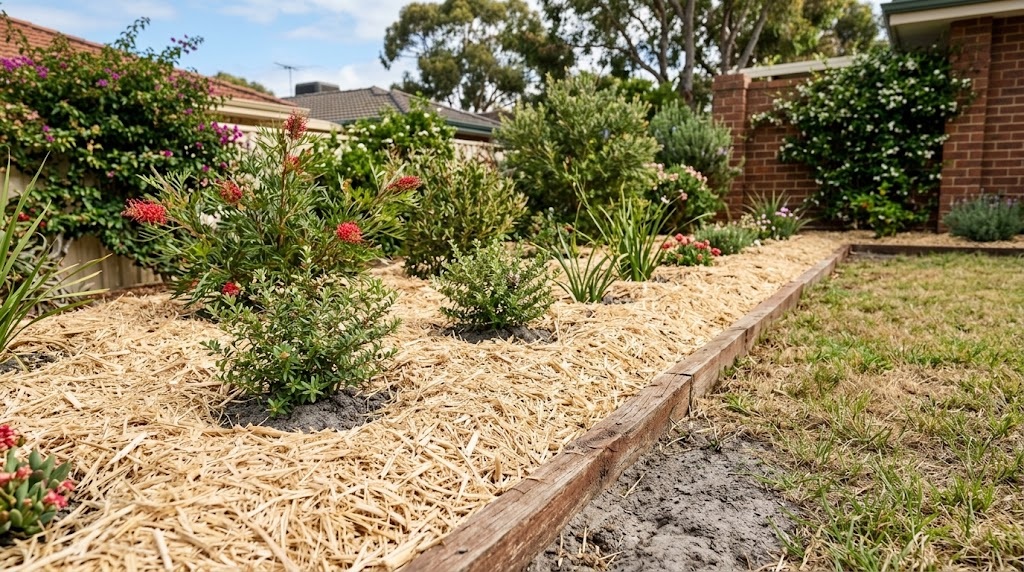
Bare garden soil is exposed to sun, wind and rapid surface drying. In Western Australian conditions, that exposure can make moisture management harder and leave more open space for weeds to establish.
A mulch layer changes the condition at the soil surface. It covers exposed soil while still allowing water to reach the ground below. That distinction matters when choosing a material for garden beds.
Sugar cane mulch can serve as that surface cover when it is spread evenly and kept clear of plant stems. This article explains what a protective soil barrier means in practical gardening terms and which product characteristics matter.
What Surface Protection Actually Means
It Is a Surface Cover, Not a Sealed Layer
A garden mulch layer should not be understood as an impermeable sheet. Organic mulch works differently. It creates a physical cover above the soil while allowing water to pass through.
That makes “barrier” useful only when it describes a breathable surface layer. The aim is to reduce exposed soil, not to seal the root zone away from water and air.
DSATCO describes its Sugar Cane Mulch as a finely shredded, raw straw-based mulch. Its stated uses include moisture retention, weed suppression and building soil as the material breaks down.
Fine Material Helps Create Even Surface Coverage
The product page says the mulch is shredded to a fine consistency for even distribution. That feature matters in garden beds with irregular spaces around plants.
Even coverage reduces bare patches between handfuls or clumps of material. A more consistent layer is easier to inspect after watering and easier to top up when the surface begins to thin.
The product is grown and processed in Wongan Hills, Western Australia. DSATCO also describes it as chemical-free and locally sourced.
How the Mulch Protects the Soil Surface
Moisture Retention Starts With Reducing Exposure
Soil loses moisture faster when its surface remains open to sun and moving air. Covering that surface can help the soil remain moist for longer after watering.
The product page specifically lists soil moisture retention as a key benefit. It also directs gardeners to water thoroughly after application so the mulch settles and supports water retention.
This is where surface mulch and a protective soil barrier overlap. The mulch does not replace irrigation. It helps protect the soil surface around the irrigation you already provide.
Weed Suppression Depends on Consistent Coverage
DSATCO also presents the product as helping reduce weed growth. A continuous mulch layer limits the amount of exposed soil available for new weed seedlings.
That does not mean mulch creates a weed-proof garden. Existing weeds still need to be managed, and thin or disturbed areas can become exposed again.
For gardeners comparing other organic materials, DSATCO’s product range includes different mulch and soil-improvement products for different garden roles. The right choice depends on the bed, the plants and the job you want the material to perform.
What Happens as the Mulch Breaks Down
Organic Material Becomes Part of the Soil System
Sugar cane straw is not a permanent surface covering. Organic material gradually changes as it breaks down.
DSATCO states that the material builds soil carbon and contributes to soil structure as decomposition occurs. The page also describes naturally occurring microbial activity within the material.
That means the protective layer is doing two different jobs over time. It covers the surface first, then gradually contributes organic matter to the soil system below.
Surface Mulch and Soil Improvement Are Different Jobs
Some gardens need more than a surface layer. Poor or depleted soil may also need an amendment worked into the soil profile.
DSATCO presents Piggypost as a soil enhancer rather than a surface mulch. Keeping those roles separate helps avoid confusing a protective mulch layer with a soil-conditioning product.
At the business level, DSATCO supplies organic garden products developed for Western Australian conditions. The client website should be used as the reference for current product descriptions and application guidance.
Applying the Mulch Without Overstating What It Can Do
Keep the Layer Away From Plant Stems
The application instructions tell users to leave space between the mulch and plant stems. This is an important part of using the material as surface protection.
Mulch belongs over the soil around a plant. It should not be packed directly against the stem or crown.
After spreading, the product page recommends watering thoroughly. That helps settle the material and reduces wind movement at the surface.
Match the Product to the Garden Rather Than the Claim
“Clean” is not presented by DSATCO as a separate technical grade or certification category for this product. The website describes the product itself as locally grown and processed, chemical-free and finely shredded.
For that reason, the useful decision is not whether a marketing label sounds cleaner. It is whether the product’s verified characteristics suit the bed you are mulching.
Gardeners who want to review usage and handling information can also check DSATCO’s mulch FAQs. The FAQ recommends gloves and a mask when spreading mulch products.
Frequently Asked Questions
Is This Mulch a Waterproof Barrier?
No. Organic mulch is not a waterproof membrane. DSATCO describes the product as retaining soil moisture while still being watered through after application.
Does It Stop Every Weed?
DSATCO states that it reduces weed growth. It should not be described as guaranteeing a weed-free bed.
Can It Improve Soil as Well as Cover It?
Yes, according to the product page. DSATCO states that the mulch builds soil carbon and contributes to soil structure as it breaks down.
Should the Mulch Touch Plant Stems?
No. DSATCO’s application guidance says to leave a little space between plant stems and the mulch.
Is “Clean” an Official DSATCO Product Grade?
No. DSATCO lists the product as Sugar Cane Mulch. The website does not identify “clean” as a separate product grade.
Conclusion
This organic mulch works as a protective surface layer because it covers exposed soil while remaining part of an organic garden system. DSATCO specifically presents the product for moisture retention, weed suppression, even spreading and gradual soil improvement.
The most accurate way to think about the layer is as breathable surface protection, not a sealed barrier or guaranteed solution. If you want to confirm whether the product fits a particular garden bed, ask DSATCO about the product’s intended use before ordering.
Latest Posts
- How to Stage Bulk Bags For Soil Improvers Versus Lawn And Mulch
- How to Size Multi-Bed Garden Orders From Bulk Bag Coverage
- Coordinating Metro Stockists Sourcing and Bulk Transport for Large Projects
Reviews from
Happy Gardeners
 "Results have been spectacular. The grass has never looked healthier."
Rod


