

 Buy Online
 08 9671 1500
 office@dsatco.com
Why Adding Humus to Your Garden Soil Makes a Measurable Difference in WA
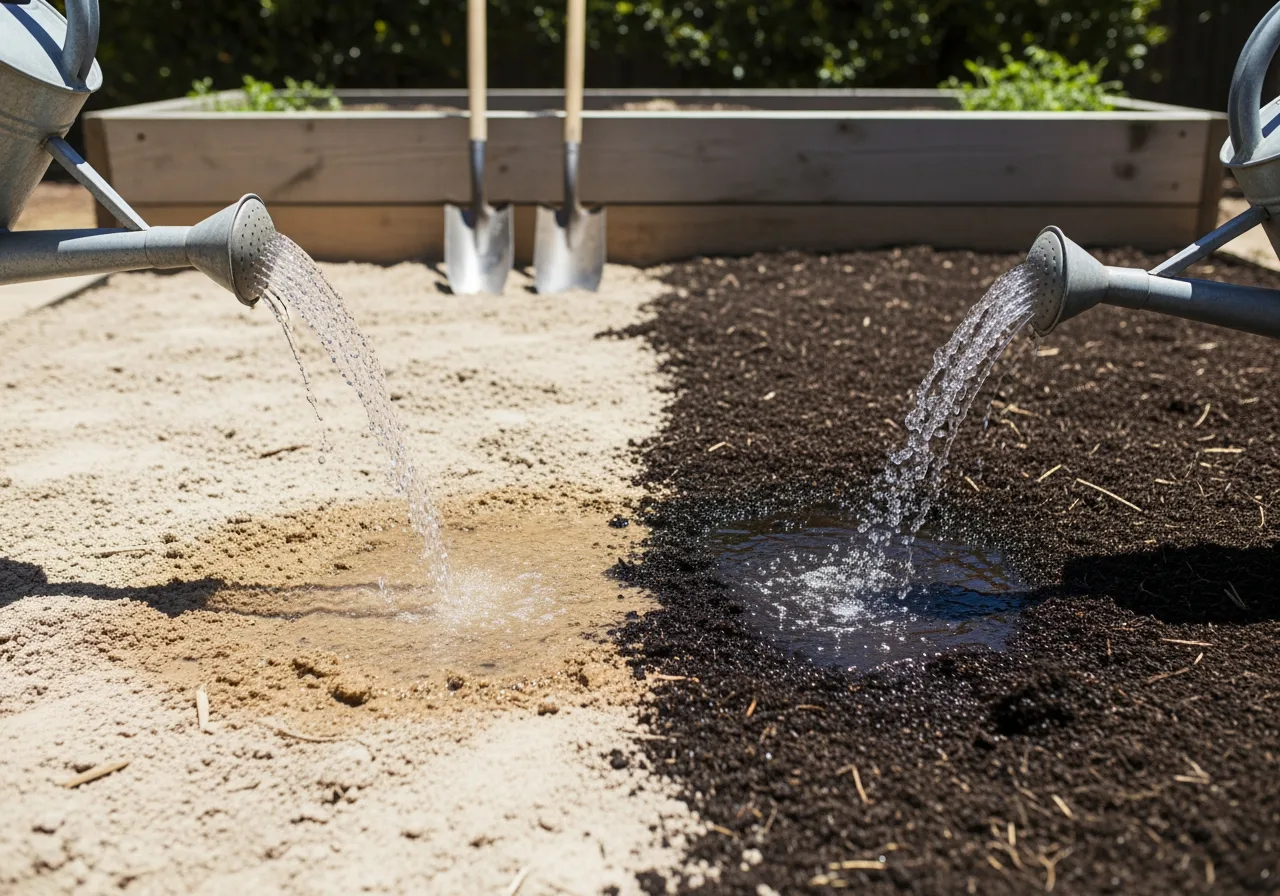
Perth’s sandy soils lose nutrients faster than almost anywhere else in Australia. You can fertilise regularly and water diligently. You might still watch your plants struggle. This happens because sandy soil lacks the one thing that holds it all together: humus.
Humus isn’t just another garden product. It’s the dark, spongy material that forms when organic matter fully breaks down. It’s what separates lifeless sand from living, productive soil. In WA’s harsh growing conditions, adding humus to WA soil isn’t optional if you want consistent results. It’s the foundation of a healthy garden.
Most Perth gardeners focus on fertiliser, watering schedules, and mulch choices. But without adequate humus in the soil beneath, all of that effort produces limited returns. Understanding what humus is and why WA soils are critically short of it is the first step toward a garden that genuinely performs.
This article explains what humus does in the soil, why Perth’s conditions make it especially important, and how to apply it for measurable, lasting results in your WA garden.
What Humus Actually Is (and Why Most WA Soils Don’t Have Enough)
Humus is the final stage of organic decomposition. When leaves, manure, and plant roots break down completely, they become a stable, dark substance. This substance doesn’t decompose further. It is packed with benefits your sandy soil desperately needs to thrive.
Stability Over Fresh Matter
Unlike fresh compost or raw manure, humus won’t burn plants. It won’t leach nitrogen as it breaks down further. It’s stable and long-lasting. Think of it as the permanent upgrade your soil has been missing for years.
DSATCO Piggypost is produced through a 12-18 month composting process. The result is mature, stable humus with living microbes already established in the material. You’re not adding raw matter that will disrupt your plants. You’re adding finished, stable organic soil amendment that works immediately.
The Problem with Local Sands
Perth’s sandy soils naturally contain less than 1% organic matter. That’s critically low. Healthy garden soil should sit between 3-5% organic matter. Humus should make up the bulk of that percentage. Without it, your soil can’t hold water or store nutrients. It cannot support the microbial life that feeds your plants.
The Swan Coastal Plain’s ancient, weathered sands have been leached for millennia. Adding fertiliser without humus is like pouring water into a sieve. It drains straight through before your plants can ever use it. Using high-quality organic mulch Perth gardeners trust is the only way to reverse this. This is true whether you’re in a suburb close to the coast or further inland toward the hills.
How Humus Changes the Physical Structure of Sandy Soil
Sandy soil drains fast because the particles are large. They don’t stick together. Water and nutrients wash through the gaps within hours of watering. This is a primary reason to improve soil health by adding stable organic matter.
When you add humus-rich products to sandy soil, the particles bind to sand grains. They create small aggregates. These aggregates hold water in tiny pockets. They still allow air to circulate around plant roots.
Measurable Water Holding Capacity
The result is measurable and immediate. Soil amended with humus holds significantly more water than unamended sand. That means less frequent watering and deeper root growth. Your plants won’t wilt the moment temperatures hit 35 degrees C in mid-January.
For Perth gardeners managing water restrictions, this is a genuine practical advantage. Organic mulch Perth conditions demand does more than cover the surface. It works with humus in the soil below to reduce overall irrigation requirements across the season.
Improving Texture and Workability
Humus also improves soil structure in ways you can see and feel. It provides several mechanical benefits to the garden:
Better drainage in clay patches: Humus breaks up compaction and improves drainage in heavy clay pockets.
Reduced surface crusting: It keeps the surface friable and easy to work after heavy rain.
Easier root penetration: Plant roots move through humus-rich soil with less resistance. This leads to faster establishment and stronger overall growth.
DSATCO Lupin Mulch applied on top of humus-amended soil reinforces these structural gains. As the mulch layer breaks down over months, it adds further organic matter to the soil beneath.
Why Humus Holds Nutrients That Sandy Soil Can’t
Sandy soil is negatively charged. Most plant nutrients are also negatively charged. This includes nitrogen, phosphorus, and potassium. Like charges repel each other. This is why nutrients wash straight through Perth sand and into our groundwater.
Humus has a high cation exchange capacity (CEC). This is a soil science term. In practical terms, it means humus particles attract and hold onto positively charged nutrients. These include calcium, magnesium, and potassium. It releases them slowly as plant roots need them. This makes it an essential organic soil conditioner for local gardens.
Making Fertilisers Work Effectively
In practical terms, this means your fertiliser actually works. Instead of washing away after a deep watering, nutrients stay in the root zone. Your plants can access them over weeks and months. You stop wasting money on products that just end up in the water table.
The best mulch for Perth gardens works in combination with soil humus. Surface mulch slows moisture loss while humus below holds nutrients in place. Both are doing different jobs. Both are necessary for consistent plant performance.
Natural Chelation of Micronutrients
Humus also chelates micronutrients like iron, zinc, and manganese. These trace elements are often present in WA soils but are locked up. Plants cannot use them in that state. Humus makes them available again. This is why adding humus-rich compost can fix yellowing leaves and address deficiencies without the need for more synthetic fertilisers.
You can browse the full product range to find the right solutions for your specific nutrient needs and garden type.
The Microbial Benefits You Can’t See (but Your Plants Definitely Feel)
Healthy soil isn’t just rock particles. It is alive and teeming with bacteria, fungi, and protozoa. These microorganisms form a complex underground ecosystem. These microbes do the real work of feeding your plants every single day.
Humus is their food source and their habitat. When you add humus to your soil, you do more than improve structure. You are feeding billions of beneficial organisms. They fix nitrogen from the air and suppress soil-borne diseases. They even produce natural growth hormones for your garden.
DSATCO is a Western Australian company that produces premium organic mulch and garden products, grown and sourced 100% from WA farms. Every product in the range is designed to support soil health and plant performance in WA’s specific growing conditions.
Protection from the Perth Heat
Perth’s hot, dry summers kill off soil microbes fast. Bare, sandy soil exposed to 40 degree C heat becomes biologically dead within days. Humus provides insulation and moisture. It keeps microbial populations alive through the worst of summer. This means your soil stays active and productive year-round.
This is one of the key reasons garden mulch Perth WA gardeners rely on needs to be paired with genuine soil improvement. Mulch on the surface slows heat penetration. Humus in the soil creates the biological buffer that keeps microbes working.
Inoculating Your Soil with Beneficial Biology
Products like DSATCO Piggypost deliver humus along with living microbes. These are already established in the material. You are inoculating your soil with beneficial biology. You are simultaneously giving it the organic matter those microbes need to thrive.
This is fundamentally different from adding raw compost or fresh manure. The biology is already active. It starts working in your soil from the moment of application.
How Much Humus Your WA Garden Actually Needs
Most WA garden soils need a significant addition to reach healthy levels. A one-off application won’t fix years of nutrient depletion. A consistent approach delivers results you can measure over time. Adding humus to WA soil should be a seasonal priority for every dedicated gardener.
Initial Soil Improvement
For your first application, aim for a significant change. Apply 50-100mm of humus-rich compost across the bed surface. Dig it into the top 150-200mm of soil. This raises organic matter levels by 2-3% in sandy soil. This is enough to make a noticeable difference in plant performance.
DSATCO Triple-C Mulch is a strong choice for the initial top layer. As a nitrogen-rich mulch blend, it adds surface protection while decomposing to feed the soil below.
Ongoing Maintenance
Humus breaks down slowly, but it does break down. In Perth’s warm climate, organic matter depletes each year through microbial decomposition. Regular additions matter to keep the cycle going:
Twice-yearly top-dressing: Apply 20-30mm of humus-rich compost in autumn and spring.
No-dig approach: Let worms and microbes pull the material down naturally.
Vegetable cycles: Work in 30-50mm before each new planting cycle. Vegetables are heavy feeders and deplete organic matter faster than ornamentals.
Why Composted Manure Delivers More Humus Than Raw Organic Matter
Not all organic matter is created equal. Fresh grass clippings and raw manure eventually become humus. However, they will tie up nitrogen as they break down. They can disrupt plant growth during the process.
Composted manure is different. The composting process achieves two critical goals when it comes to soil improvement.
Breaking Down to Stability
It breaks down raw organic matter into stable humus. It is immediately beneficial rather than temporarily problematic. You won’t face the nitrogen disruption that raw materials often cause in a young garden.
DSATCO Sugar Cane Mulch offers a complementary option for gardeners who want to layer their approach. It provides moisture retention and weed suppression on the surface while the soil below builds humus levels.
Heat Treatment for Clean Soil
Hot composting reaches internal temperatures of 55-65 degrees C. This destroys weed seeds and harmful bacteria. It kills off parasites as well. The finished product is safe and stable. It is ready to use straight from the bag. Using organic soil amendments Perth gardeners trust ensures you aren’t importing a weed problem into your backyard.
For Perth gardeners who also use Bunnings, Vivantes Lupin Mulch carries the same organic WA-sourced formula and is available off the shelf at your local store.
The Difference Between Humus and Mulch (and Why You Need Both)
Humus and mulch are both organic materials. However, they serve different roles in your garden. Understanding the difference helps you use each one correctly for the best results. This knowledge is key to effective water-wise gardening WA strategies.
The Role of Humus
Humus is fully decomposed organic matter. It is mixed into the soil to improve structure and nutrient storage. It feeds soil microbes and breaks down very slowly over years. It is the long-term engine of your garden’s health.
The Role of Mulch
Mulch is partially decomposed or fresh organic matter. It is applied on top of the soil. It suppresses weeds and insulates the ground. It reduces evaporation and breaks down into humus over time. It needs replacing every 6-12 months.
The ideal approach is to use both together. Work humus-rich compost into your soil before planting. Then apply a mulch layer on top to protect the surface. As the mulch breaks down, it becomes humus and feeds the soil below. DSATCO Lawn Maximizer offers an organic top-dress option for gardeners who also want to build soil health across their lawn area at the same time.
How Long It Takes to See Results in WA Conditions
Humus delivers some benefits immediately. Others take a little longer to manifest. Here is what you can expect when you commit to garden soil enrichment in Perth.
Short-term results (1-3 months): You will notice improved water retention almost immediately. The soil stays moist longer between waterings. The soil becomes easier to dig and doesn’t crust as hard. You will see faster plant establishment and stronger early growth in new seedlings.
Medium-term results (6-12 months): Plants develop deeper and more extensive root systems. You will find you need less fertiliser to get the same results. Overall plant health improves with fewer nutrient deficiencies. Your garden will show stronger disease resistance through the changing seasons.
Long-term results (2+ years): You will achieve permanent improvements in soil structure. The soil holds together better and resists erosion. Most importantly, gardens with high humus levels require far less frequent irrigation.
The Best Humus-Rich Products for WA Gardens
Not all compost products deliver the same humus content. You should look for products that are dark and crumbly. They should smell earthy rather than sharp or like ammonia. This is the hallmark of a quality organic soil conditioner.
DSATCO Piggypost is one of the highest-quality humus sources available for WA gardens. It’s made from composted pig manure that naturally breaks down into stable humus. You can use it as a soil conditioner for lawns and established beds. This kind of garden soil enrichment Perth gardeners prefer makes a visible difference in just one season.
Selecting the Right Mulch
Lupin Mulch and Triple-C Mulch also deliver humus as they break down. While they function as mulches, they are constantly feeding your soil. They add organic matter that becomes humus over time. Applying a quality lupin-based mulch is a simple way to feed the soil from the top down.
Tailored Application
For vegetable gardens, apply Piggypost at 30-50mm depth. Dig it into the top 150mm of soil before you plant your seedlings. For ornamental beds, top-dress with 20-30mm twice a year. Let the natural biology of the soil work its way down.
Why Humus Matters More in WA Than Almost Anywhere Else
Western Australia’s ancient soils and low rainfall make humus addition critical. We have extreme summer heat that destroys unprotected topsoil. Humus addition is more important here than in most other Australian regions.
Eastern states with heavier soils can get away with less organic matter. Their clay-based soils naturally hold nutrients better. Perth’s sands don’t have that luxury. WA gardeners face three specific challenges that humus directly solves:
Extreme nutrient leaching: High winter rainfall flushes nutrients away. Humus holds them in place.
Rapid moisture loss: Summer evaporation rates in Perth are among the highest in the country. Humus-rich soil holds water through hot spells.
Biological stress: Soil microbes struggle in bare, hot sand. Humus provides the habitat they need to stay active year-round.
Whether you are in the hills or the South West, you are working with leached soils. Adding humus is the baseline requirement for a resilient garden. It is a core part of any water-wise gardening WA plan and one of the most effective steps you can take as a best mulch for Perth gardens strategy.
How to Apply Humus-Rich Compost Without Wasting It
Humus is valuable. You want every bit of it working in your soil. Correct application is vital to improve soil health effectively.
For New Garden Beds
Spread compost evenly across the bed at 50-100mm depth. Use a garden fork to turn it into the top 150-200mm of soil. Don’t just skim it into the surface. Get it down where the roots will grow. Water deeply after application to help it settle.
For Established Plants
Apply a 20-30mm layer around plants. Keep it 50mm away from stems and trunks to prevent rot. Don’t dig it in. Let the worms and microbes incorporate it naturally. Water lightly to help it settle into contact with the soil surface. Top it up in autumn and spring to maintain levels.
For Your Lawn
Apply a thin layer of finely screened compost across the lawn surface. Use a stiff rake or levelling rake to work it down into the turf. Water in thoroughly. This is an excellent organic lawn treatment to improve the soil without tearing up the grass.
The Long-Term Payoff of Building Humus in WA Soil
Improving sandy soil with humus is a long-term investment. It compounds over time. The results are permanent as long as you maintain those organic matter levels. It is a key part of garden soil enrichment for Perth locals looking to beat the heat.
Gardeners who commit to this routine report cumulative benefits: lower water bills once organic matter reaches healthy levels; reduced fertiliser costs as nutrients stay in the root zone; healthier plants with strong soil biology that suppresses disease; and better climate resilience as humus-rich soil buffers plants against heat stress and drought.
Perth’s extreme conditions mean that gardens built on good soil outperform gardens built on sand. The difference is the difference between plants that thrive and those that merely survive.
Making Humus Addition Part of Your Garden Routine
The most successful WA gardeners build humus addition into their maintenance. They treat it like watering or weeding. It isn’t a one-off fix. It is a way of life for your soil.
Twice-yearly top-dressing is the simplest approach. Apply humus-rich compost in autumn (March-April) and early spring (August-September). This gives your soil a biological boost heading into each growing season. It prepares the ground for the changes in temperature and rainfall.
Pre-planting preparation is the other critical window. Whether you’re planting a new rose or starting a vegetable bed, work compost in first. You are giving your plants the best possible start. You won’t get another chance once the roots are established.
Humus isn’t a shortcut. It’s the foundation. Build it right and maintain it consistently. Your garden will reward you with results that last for many years to come.
Give your soil the foundation it needs. Shop online or contact the team on 08 9671 1500 to find the right product for your beds.
Latest Posts
- How to Stage Bulk Bags For Soil Improvers Versus Lawn And Mulch
- How to Size Multi-Bed Garden Orders From Bulk Bag Coverage
- Coordinating Metro Stockists Sourcing and Bulk Transport for Large Projects
Reviews from
Happy Gardeners
 "Results have been spectacular. The grass has never looked healthier."
Rod


