

 Buy Online
 08 9671 1500
 office@dsatco.com
How Composted Pig Manure Builds Soil Carbon and Supports Plant Growth
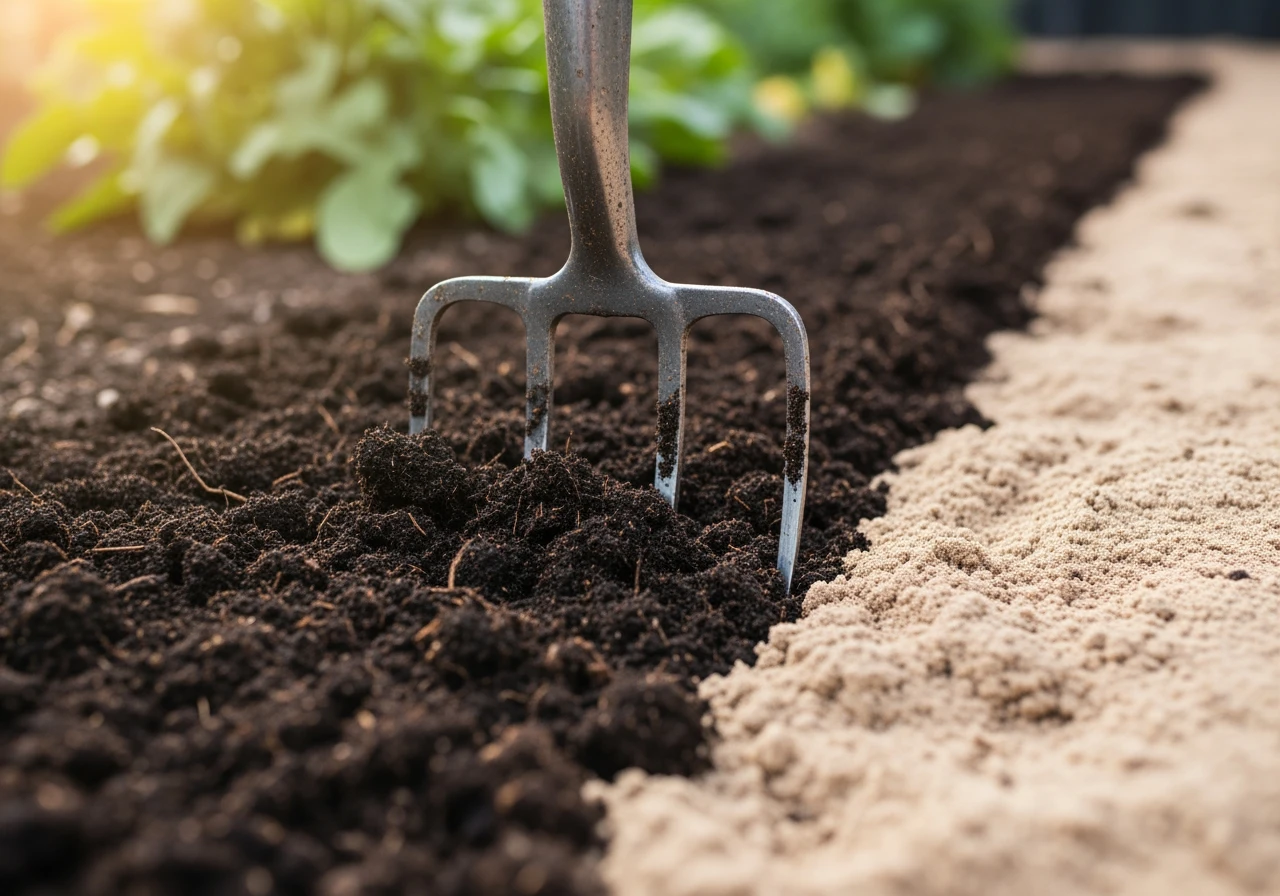
Perth’s sandy soils are one of the most challenging growing environments in Australia. They drain fast, heat up quickly, and hold very little in the way of nutrients or moisture. Without regular organic matter input, plant roots are left searching through pale, lifeless sand that offers them almost nothing between waterings.
Understanding what composted pig manure actually does in your soil helps explain why it performs so well where other inputs fall short. The science connects directly to real garden outcomes: better moisture retention, stronger plant growth, and soil that keeps improving season after season. For WA gardeners looking to build lasting soil health, the biology and chemistry behind this amendment are worth understanding before you start applying it.
The question most Perth gardeners eventually ask is this: if I keep adding organic matter, will my soil actually change? The answer is yes, but the mechanism matters. This article explains how composted pig manure builds soil carbon, what that carbon does underground, and how to apply it for maximum long-term benefit in WA conditions.
What Makes Composted Pig Manure Different From Other Organic Amendments
Composted pig manure has a nutrient profile that sets it apart from cow manure, sheep manure, and most synthetic alternatives. The composting process concentrates beneficial nutrients while eliminating harmful compounds. The result is a balanced amendment that feeds both plants and the soil biology they depend on. As one of the most effective choices for organic mulch Perth gardeners can access, composted pig manure earns its place through measurable results in WA’s difficult growing conditions.
Safety and Stability Through the Composting Process
During composting, internal temperatures consistently reach 60 to 70 degrees Celsius. This heat eliminates weed seeds and pathogens while preserving the organic matter that builds lasting soil structure. The maturation phase that follows allows the carbon-to-nitrogen ratio to stabilise, producing a finished product that is safe to apply directly around all plant types including natives, vegetables, and established trees.
Piggypost uses this full composting and maturation process before any product leaves the facility. The result is an organic soil conditioner Perth gardens can rely on without the risk of root burn, weed introduction, or nitrogen drawdown that incompletely composted materials cause.
Nutrient Density and Balanced Nutrition for WA Gardens
Pig manure contains higher levels of nitrogen, phosphorus, and potassium than most other animal manures. After composting, these nutrients exist in stable organic forms that are released gradually as soil microbes break down the material. This slow-release mechanism aligns nutrient delivery with plant growth rates, providing consistent support rather than a short-lived flush that disappears after the first heavy watering. The composted pig manure benefits extend well beyond initial nutrition because the organic matter itself continues improving soil chemistry over months and seasons.
The Carbon Sequestration Process in Your Garden Soil
When you apply composted pig manure to your garden, you initiate a carbon sequestration process that benefits both your plants and the long-term condition of your soil. The organic matter in composted manure contains carbon compounds ranging from easily decomposed simple sugars to stable humic substances that persist in the soil for years.
Microbial Processing of Carbon Compounds
Soil microbes immediately begin processing the simpler carbon compounds in the compost. They release nutrients for plant uptake and produce biological compounds that bind soil particles together. This microbial activity creates a living ecosystem beneath the soil surface where bacteria and fungi thrive in a web of nutrient cycling and biological activity. The microbial soil health Perth gardens need to perform consistently through summer is built through this underground ecosystem, not through surface-level fertiliser applications.
To protect the microbial life established by Piggypost applications, many WA gardeners apply DSATCO Triple-C Mulch over conditioned beds to maintain surface moisture and moderate soil temperature. This preserves the microbial community through the hottest months and extends the benefit of each soil conditioning application.
Lasting Structural Improvements From Stable Carbon
The more stable carbon compounds in composted manure, including humic and fulvic acids, bond to individual sand particles and create small aggregates. These aggregates hold water and nutrients in tiny pores that would otherwise allow everything to drain straight through. In Perth’s sandy soils, this aggregate formation is the physical basis of every measurable improvement in water retention and nutrient availability. Soil carbon improvement WA gardeners achieve through consistent application compounds across seasons, with each year building on the progress of the last.
How Soil Biology Transforms Composted Pig Manure Into Plant Nutrients
The real transformation happens underground, where billions of microorganisms convert composted organic matter into forms plant roots can directly absorb. This biological process differs fundamentally from the way synthetic fertilisers work, providing nutrition at the rate plants can use it rather than flooding the root zone with soluble chemicals that sandy soil cannot hold.
Bacterial and Fungal Roles in Nutrient Cycling
Bacteria in the soil break down the proteins in composted manure into amino acids and eventually into nitrates. This happens gradually, matching plant growth rates rather than producing a sudden rush of soft growth that attracts pests. Fungi, particularly mycorrhizal species, form symbiotic partnerships with plant roots that effectively extend the root system’s reach into moisture and nutrient reserves beyond where roots could access on their own.
DSATCO is a Western Australian company that produces premium organic mulch and garden products, grown and sourced 100% from WA farms. Piggypost is produced from locally sourced WA pig manure, processed on WA farms using composting methods designed specifically for the nutrient demands of Perth and regional WA soils. Every batch is managed to consistent quality standards before delivery or retail sale.
Earthworms, Castings, and Biological Indicators
Earthworms play a significant role in the biological cycle that composted pig manure initiates. They process organic matter further and produce nutrient-rich castings that are among the most bioavailable nutrient sources available to plant roots. As earthworms move through the soil, they create channels that allow air and water to penetrate deeper into the sandy profile. A thriving earthworm population is one of the clearest signs that a soil carbon improvement WA program is working.
Practical Benefits for WA Gardens and Growing Conditions
Perth gardeners face a specific combination of challenges: strict water restrictions, fast-draining sandy soils, and extreme summer heat that can damage plants and kill soil biology within days of exposure. Building soil carbon with composted pig manure addresses each of these challenges through a single, consistent organic input. For those researching the best mulch for vegetable garden Australia conditions, composted pig manure consistently delivers results across both food gardens and ornamental beds in WA’s Mediterranean climate.
Moisture Retention and Soil Temperature Cooling
Soil enriched with composted organic matter retains significantly more water than untreated sand between waterings. Carbon-rich soil has a darker colour that absorbs less radiant heat than pale, bare sand. Both effects combine to keep root zones cooler on extreme summer days, protecting the feeder roots and soil biology that plants depend on for nutrient uptake. This is a core part of water-wise gardening WA strategies that aim to reduce irrigation dependency while maintaining healthy plant performance.
For beds where moisture retention needs to be supported from the surface as well, applying DSATCO Lupin Mulch over conditioned soil creates a combined effect. The Lupin Mulch insulates the surface and continues adding organic matter as it breaks down, working in combination with the carbon already built into the soil by Piggypost.
Erosion, Wind Resistance, and Nutrient Stability
Sandy soil is vulnerable to wind erosion, particularly on exposed Perth blocks that face the Fremantle Doctor and dry easterly winds. As soil structure improves through organic matter addition, particles bind together and become more resistant to wind. Nutrient stability also improves as the organic matter content rises. Nutrients that previously washed through sandy profiles during heavy winter rain are held in place by the humus built up through composted pig manure applications. This makes composted pig manure one of the most effective choices for garden mulch Perth WA gardeners can use to protect both soil structure and nutrient reserves through the full seasonal cycle.
Application Methods and Timing for Maximum Carbon Building
Building soil carbon is a long-term process. Consistent, well-timed applications produce far better results than occasional heavy doses. The goal is to provide a steady stream of organic matter that soil microbes can process and convert into stable humus across the full season cycle.
Ideal Seasonal Application in Perth’s Climate
Autumn is the most productive window for major soil improvement work in WA. Apply composted pig manure in March or April, before winter rains begin. The winter rains help incorporate the organic matter and carry soluble nutrients into the root zone just as spring growth begins. This timing means your soil enters its peak growing season already enriched and biologically active. For lawn areas that need organic matter input, DSATCO Lawn Maximizer is the more appropriate product, designed to improve organic matter content and soil biology under turf without smothering the grass.
Proper Incorporation Techniques for Sandy Soil
Use a garden fork rather than a rotary hoe to work composted pig manure into the soil. A fork preserves the structure of existing microbial networks and earthworm channels in the soil. A rotary hoe breaks these networks apart, temporarily reducing biological activity. Work the material into the top 100 to 150mm for ornamental beds and native plantings. For vegetable gardens that support heavy-feeding crops like tomatoes and leafy greens, incorporate to the full spade depth to improve the entire root zone. If you are still determining the best mulch for vegetable garden Australia options available to you, DSATCO Sugar Cane Mulch is another effective surface layer option that pairs well with composted pig manure below.
Measuring Soil Carbon Improvement Over Time
Understanding how your soil is progressing helps you maintain the motivation and consistency that long-term soil building requires. The signs of improvement are visible without laboratory testing across the first one to three seasons of regular application.
Visual and Physical Checks for Carbon Progress
The colour of your soil is the clearest early indicator. Sandy soil that has been amended with composted pig manure darkens progressively from pale grey or cream to a rich, mid-brown. This colour change reflects the increase in organic matter content. Water infiltration also improves. Amended soil absorbs water faster initially and retains it for longer than untreated sand. Push a screwdriver or moisture probe into the soil after watering. It should reach 15 to 20cm with minimal resistance if your carbon building is working.
Signs of Life That Confirm Soil Biology Is Thriving
Soil that feels crumbly and smells earthy rather than dry and dusty is biologically active. Earthworm presence confirms that the soil biology WA conditions need to sustain plant life is established and functioning. Above ground, look for darker green foliage, stronger growth, and improved drought tolerance during hot spells. These are reliable indicators that the nutrient cycle established by composted pig manure is delivering consistent nutrition to your plants. Browse the full DSATCO product range to find the products that complement Piggypost across different garden types and plant categories.
Conclusion
Building soil carbon with composted pig manure is one of the most effective and sustainable investments a Perth gardener can make. It transforms sandy, nutrient-poor soil into a living ecosystem that supports healthy plants with less water and less chemical input over time. The process takes patience and consistent application, but the rewards compound with every season. Start with one bed, measure the progress, and expand the program as the results speak for themselves.
Healthy soil pays for itself in every season. Find the right DSATCO product for your garden or call 08 9671 1500 for advice.
Latest Posts
- How to Stage Bulk Bags For Soil Improvers Versus Lawn And Mulch
- How to Size Multi-Bed Garden Orders From Bulk Bag Coverage
- Coordinating Metro Stockists Sourcing and Bulk Transport for Large Projects
Reviews from
Happy Gardeners
 "Results have been spectacular. The grass has never looked healthier."
Rod


