

 Buy Online
 08 9671 1500
 office@dsatco.com
What Makes Triple-C Mulch Uniquely Suited to Western Australian Gardens
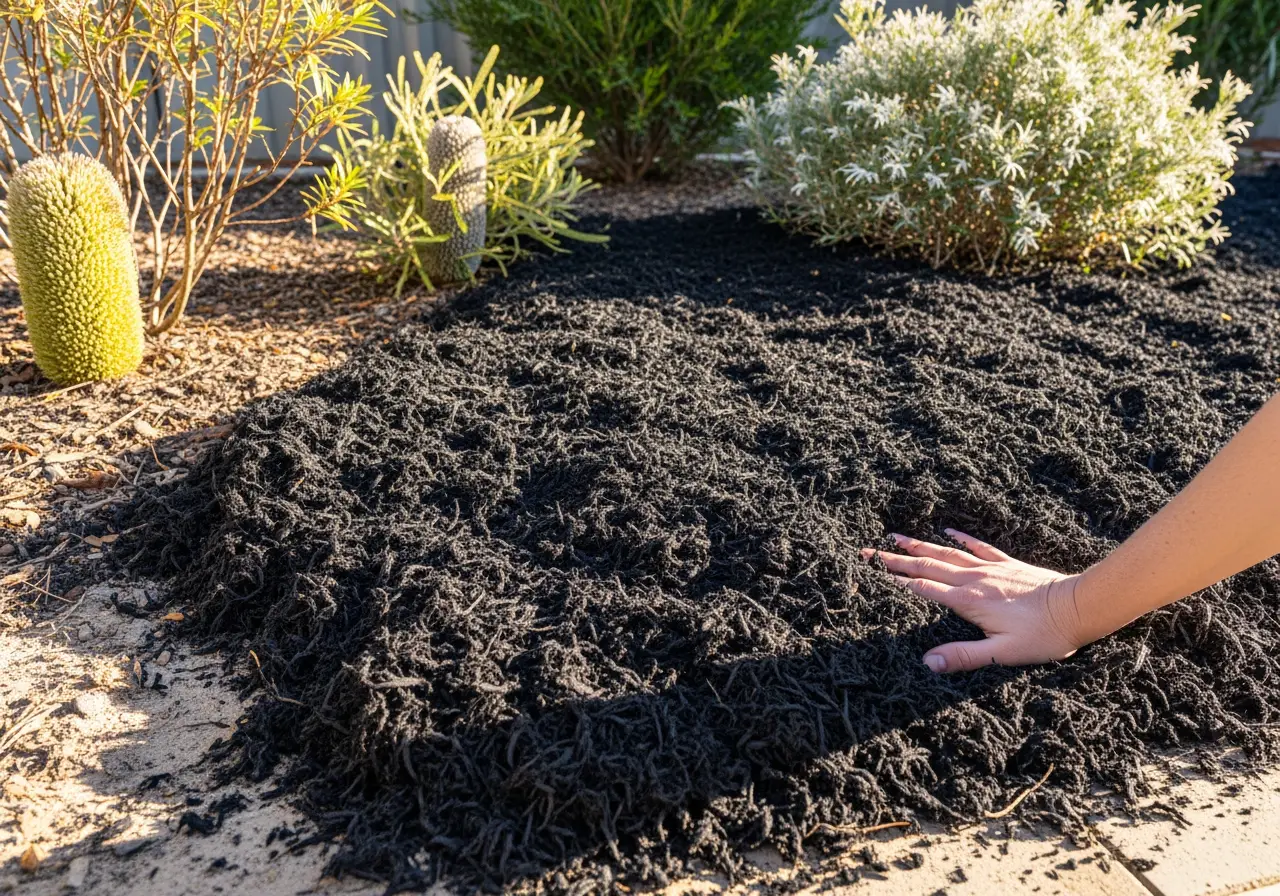
Perth gardeners face a specific set of challenges that gardeners in other states simply do not. Sandy soils drain before plants can drink. Scorching summers strip moisture out of the ground within hours. Native plants can be damaged by too much nutrition, while roses and vegetable gardens demand constant feeding.
Western Australia’s growing conditions are unlike those anywhere else in the country. The Swan Coastal Plain sits on ancient sand deposits that drain quickly, heat up fast, and hold very little in the way of nutrients. A mulch that performs well in Melbourne’s clay-heavy soils may fail completely here. Understanding what makes organic mulch Perth gardens actually need starts with understanding the soil and climate these plants are growing in.
Choosing the right garden mulch Perth WA is not a one-size-fits-all decision. The best mulch for Perth gardens has to do more than look tidy on the surface. It needs to actively rebuild sandy soil, hold moisture through extreme summer heat, and suit the full range of plants WA gardeners grow. This article explains what sets Triple-C apart from generic products, what the blend contains, and how to use it for the best results.
Why WA Gardens Need a Different Approach to Mulch
Generic mulch products are built for average soil conditions. Perth’s soils are anything but average.
The Challenge of Sandy Perth Soils
Most suburban blocks on the Swan Coastal Plain sit on sand that is 90 to 95 percent silica. There is almost no clay content and very little natural organic matter to hold things together. Without organic binders, water pours straight through the soil profile before roots have a chance to absorb it. Any nutrients you apply leach away with the next watering.
Perth sandy soil mulch needs are unique in the Australian gardening landscape. A product must actively rebuild what the sandy profile lacks, not just sit on top of it looking neat. Organic mulch Perth gardens rely on must work beneath the surface to deliver lasting benefits. Anything that falls short of that standard is simply not suited to WA conditions.
Heat, Evaporation, and Summer Soil Stress
When bare sand is exposed to a 40°C Perth summer day, surface temperatures can spike to extremely damaging levels. This extreme heat kills the beneficial microbes that convert organic matter into plant-available nutrients. It also drives rapid evaporation, stripping topsoil moisture within hours of watering.
A well-chosen mulch acts as both a physical barrier and a biological shield. It keeps soil cooler, protects microbial communities, and slows evaporation to give roots time to absorb moisture. Water-wise gardening WA style begins with protecting the soil surface, and DSATCO Triple-C Mulch was formulated specifically for this task.
What Triple-C Mulch Actually Contains
The name Triple-C refers to the three core components that give this product its distinctive properties. Each element solves a different problem in WA garden beds.
The Three-Component Blend Explained
Triple-C combines carbon-rich cereal crop residues, composted chicken manure, and canola. The carbon-rich base provides long-term soil structure. As it breaks down slowly, it creates humus, the dark, spongy organic matter that transforms sandy soil into a growing medium that holds both water and nutrients.
The composted chicken manure delivers nitrogen, phosphorus, and trace elements in a slow-release form. Because it has been fully composted, these nutrients release gradually as soil microbes continue breaking the material down. This is fundamentally different from applying a synthetic fertiliser, which floods the root zone with a quick chemical hit and disappears within weeks.
How Slow-Release Nutrients Feed Your Garden
The canola in the blend adds texture, weight, and stability. This matters in Perth, where dry easterly winds and the Fremantle Doctor can scatter lightweight mulches across the garden. The heavier particles anchor the blend and help prevent surface compaction as finer material settles into the topsoil beneath.
For gardens with depleted or hard-packed soil, pairing Triple-C with DSATCO Piggypost before mulching can speed up soil recovery significantly. Piggypost is a mature compost rich in humus and living microbes. Applied beneath a layer of Triple-C, it rebuilds soil structure from the ground up while Triple-C protects and feeds from above.
How Triple-C Mulch Builds Better WA Soil
Sandy soil is easy to dig but stubbornly resistant to lasting improvement. Organic matter breaks down faster in sand than in heavier soils. Without constant replenishment, any gains in soil quality erode quickly.
Creating Soil Aggregates from Sandy Ground
As Triple-C breaks down, it adds organic matter to the soil surface. This organic matter binds individual sand particles together into aggregates, which are small clumps that hold water and nutrients far more effectively than loose sand. Over time, this transforms the top 150mm of your garden beds into a functional, living growing medium.
DSATCO is a Western Australian company producing premium organic mulch and garden products, grown and sourced 100% from WA farms. Every product in the range is designed specifically for Perth and regional WA conditions, not adapted from formulas built for wetter, heavier soils in eastern Australia.
Supporting Soil Microbial Life
The composted manure in Triple-C feeds billions of bacteria and fungi living in the soil. These organisms are the real engine of a healthy garden. They break down organic matter, convert nutrients into plant-available forms, and produce the biological compounds that bind sand particles together.
This creates a positive feedback loop. Better soil structure supports more microbial life, which then builds even better structure. Once established, this cycle keeps improving the soil with every season. It is why dedicated WA gardeners see their garden beds become progressively easier to manage with each year of consistent mulching.
Why Triple-C Suits Both WA Natives and Exotic Plants
A common question among Perth gardeners is whether a single mulch can suit both phosphorus-sensitive natives and nutrient-hungry plants like roses. Triple-C hits a nutritional balance that makes it versatile across very different plant groups. That versatility is a big part of what makes it the best mulch for Perth gardens with mixed plantings.
Phosphorus Sensitivity in WA Natives
Many of WA’s most iconic plants, including Banksias, Grevilleas, and Hakeas, have specialised proteoid root systems evolved to find phosphorus in nutrient-poor soils. High-phosphorus fertilisers can poison these plants. Triple-C provides a gentle, controlled source of nutrition that stays within the safe range for sensitive native species.
This is what makes it a sound choice as an Australian native garden mulch. It mimics the slow, natural nutrient cycle of WA bushland without risking phosphorus overload. If you prefer to purchase through a major retailer, Vivantes Triple-C Mulch uses the same formula and is available at Bunnings stores across WA.
Supporting Heavy Feeders Like Roses and Vegetables
For rose beds and flowering perennials, Triple-C delivers consistent organic matter and steady moisture retention throughout the growing season. This combination supports lush foliage and abundant flowering without the boom-and-bust effect of synthetic fertiliser applications.
Triple-C also works well as a mulch for garden beds where natives and exotic species grow side by side. Gardeners can maintain both without switching between multiple products. For those researching the best mulch for vegetable garden Australia-wide, Triple-C’s slow-release nitrogen and weed-suppressing mat makes it a practical option for WA food gardens too.
How Triple-C Mulch Controls Weeds Naturally
Weeds germinate fast in bare Perth soil. They establish quickly and compete aggressively for water and nutrients. These are two things your garden cannot afford to share through summer.
Why the Mulch Mat Blocks Germination
A 50mm layer of Triple-C blocks light from reaching the soil surface below. Without light, most weed seeds cannot trigger germination. Triple-C is particularly effective as a weed suppression mulch because of its texture. The composted blend knits together as it settles, forming a dense mat that weed seedlings struggle to push through.
For small vegetable beds or short-term seasonal planting where a lighter option suits better, DSATCO Sugar Cane Mulch offers excellent lightweight coverage with strong weed suppression. It is a practical companion for annual crops and beds that change each season.
Applying Triple-C for Lasting Weed Control
Apply Triple-C to clean, weed-free soil. Remove all existing weeds before spreading the mulch. This prevents established root systems from pushing through the new layer. In vegetable gardens, apply mulch between rows and around established plants. Always keep mulch 50 to 100mm away from plant stems to allow air circulation and prevent collar rot, especially around natives and woody shrubs.
Getting the Best Results from Triple-C in Your Garden
Knowing when and how to apply Triple-C is just as important as choosing the product in the first place.
Application Depth and Seasonal Timing
The ideal time to mulch in Perth is late September to early October, just before the first serious heat event. This positions the mulch to lock in spring soil moisture before temperatures spike in November and December. For most garden beds, apply at 50mm depth. This is the sweet spot for weed suppression and moisture retention without blocking water penetration to the roots.
For heavy feeders like roses and citrus that demand higher nitrogen levels through the growing season, DSATCO Lupin Mulch is worth considering alongside Triple-C in dedicated beds. Lupin Mulch delivers a richer nitrogen source and performs exceptionally well for flowering garden beds that need an extra boost through summer.
Long-Term Value and Soil Transformation
Each application of Triple-C builds on the previous one. The first season delivers immediate weed suppression and moisture retention. By the second and third year, accumulated organic matter starts transforming the soil’s ability to hold water and nutrients. Perth sandy soil drainage, poor nutrient retention, and structural instability gradually reverse as humus levels rise across the garden.
A single 50mm application typically lasts 12 to 18 months before topping up is needed. During that time it is suppressing weeds, retaining moisture, and building the humus levels in your soil. For gardeners sourcing garden mulch Perth WA-wide, Triple-C is available in a 100L eco-bale and a 1000L bulk bag through the DSATCO online shop.
Conclusion
Triple-C Mulch was built for WA gardens, not adapted from a formula designed elsewhere. It addresses the specific combination of challenges Perth gardeners face, from sandy soil and summer heat to diverse plant nutritional needs. Applied correctly at 50mm depth before the heat arrives, it protects, feeds, and progressively transforms the soil beneath it season after season.
Give your soil the foundation it needs. Shop online or contact the team on 08 9671 1500 to find the right product for your beds.
Latest Posts
- How to Stage Bulk Bags For Soil Improvers Versus Lawn And Mulch
- How to Size Multi-Bed Garden Orders From Bulk Bag Coverage
- Coordinating Metro Stockists Sourcing and Bulk Transport for Large Projects
Reviews from
Happy Gardeners
 "Results have been spectacular. The grass has never looked healthier."
Rod


