

 Buy Online
 08 9671 1500
 office@dsatco.com
The Difference Between a Soil Improver and a Mulch and When to Use Each
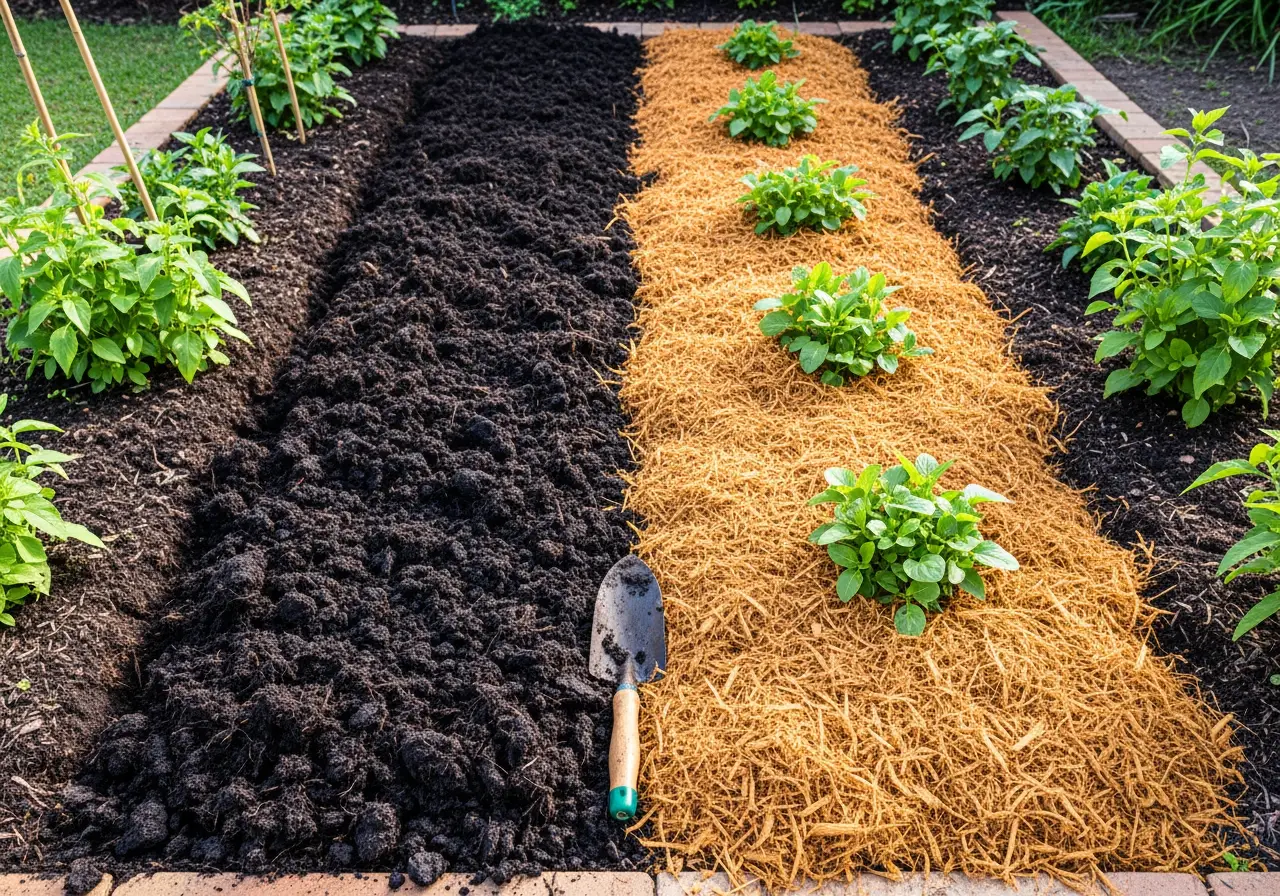
Walk into any WA nursery and you will find bags labelled “soil improver” sitting next to bags labelled “mulch.” Both are marketed as the answer to a struggling garden. But they do completely different jobs, and confusing the two is one of the most common mistakes Perth gardeners make.
Perth’s sandy soils drain fast, heat up quickly, and hold almost no nutrients on their own. That combination puts your plants under pressure from two directions at once – below the surface and above it. Understanding which problem each product solves is the key to getting real results from your garden.
This article explains exactly what a soil improver does, what mulch does, when to use each one, and how the best WA gardens use both together. Whether you are searching for the right organic mulch perth nurseries stock, refreshing tired garden beds, or trying to work out why your lawn keeps struggling through summer, this guide will give you a clear answer.
What a Soil Improver Actually Does
A soil improver changes your soil from the inside. It gets dug in, mixed through, and becomes part of the growing medium your plants rely on. In Western Australia, where our “soil” is often ancient, weathered sand, these products are the essential first step in creating a viable growing environment.
The goal is to address the physical and chemical shortcomings of the ground. When you work a quality organic soil conditioner into your beds, you are adding biological life and stable organic matter directly into the root zone. This is far more effective than throwing fertiliser on top of bare sand.
How It Improves Water Retention and Pore Structure
Sandy soil has large particles with large gaps between them. Water and dissolved nutrients pour through these gaps straight into the groundwater – well out of reach of your plant roots.
A soil improver fills these gaps with organic matter. That material acts like a sponge, catching water and holding it where roots can reach it. For Perth gardeners dealing with summer water restrictions, this is one of the most practical improvements you can make to your garden beds.
How It Feeds Soil Biology
Healthy soil is a living ecosystem. It requires a food source to support the bacteria, fungi, and earthworms that make nutrients available to plants. Digging in an improver provides the fuel this underground ecosystem needs to function.
DSATCO Piggypost is made from mature pig manure composted over 12 to 18 months. It contains 70% humus and living microbes that get to work as soon as they hit the root zone. Without this biological activity, your soil stays a sterile, unproductive medium that relies entirely on expensive chemical inputs.
How It Releases Nutrients for Long-Term Growth
Unlike liquid fertilisers that deliver a short burst of growth, a soil improver releases nutrients slowly as it decomposes. This matches the natural growth cycles of your plants. It prevents the soft, sappy growth that attracts pests like aphids and scale – a common side effect of over-fertilising with synthetic products.
What Mulch Actually Does
Mulch sits on the surface of your soil like a protective blanket. It does not get mixed in. It stays on top, doing its job from above. Its primary role is to shield the soil from the harsh elements that define Perth’s Mediterranean climate.
Summer temperatures regularly hit 38 degrees and beyond. Exposed soil heats up, dries out, and becomes hostile to plant roots within days. A quality organic mulch provides a physical barrier that keeps the environment stable and is a core component of water-wise gardening WA strategies.
How It Reduces Evaporation and Saves Water
By blocking sun and wind from hitting damp soil, a good organic mulch keeps moisture in the ground where it belongs. This is the most effective way to reduce your garden’s water consumption during a dry Perth summer and a practice every gardener working within WA’s water restrictions should be using.
DSATCO Lupin Mulch is made from 100% WA organic lupin plant material and chicken manure, pasteurised to ensure it is weed, seed, and disease free. It is one of the most reliable options for garden mulch perth wa gardeners trust through the hot months.
How It Moderates Soil Temperature
Roots prefer to stay cool. In a garden with bare sand, the sun can heat the top 10cm of soil to temperatures that damage delicate feeder roots. Mulch acts as an insulator, keeping soil temperature significantly lower during the day and warmer at night. This thermal stability reduces plant stress and encourages deeper root development.
How It Suppresses Weeds and Improves Aesthetics
Weeds compete with your plants for every drop of water. A thick layer of mulch blocks the light that weed seeds need to germinate. It also gives your garden a clean, finished appearance. As it breaks down, it contributes slowly to the organic matter in the top layer of soil – though its primary function remains protection.
The Key Difference: Where They Work
The simplest way to understand the soil improver vs mulch distinction is the location of application. Soil improvers work in the soil. Mulch works on the soil.
If your plants are struggling because the ground is gutless and will not hold water, you have a structural problem that requires an improver. If your plants are wilting because the surface is drying out too fast or weeds are taking over, you have a protection problem that requires mulch.
In Western Australia, our soils are so depleted that a dual-layer approach is almost always necessary. You cannot expect a mulch to fix the chemistry of deep sand, and you cannot expect an improver to stop the sun from baking the surface.
Understanding the Dual-Layer Approach
The two layers interact over time. As your mulch decomposes, the microbes in the soil improver below reach up and pull that organic matter down. This creates a vertical cycle of nutrients. A well-established garden using both layers starts to develop a rich, dark soil profile that looks nothing like the original Perth sand.
DSATCO is a Western Australian company that produces premium organic mulch and garden products – grown and sourced 100% from WA farms. Their range covers both layers of this system, from internal soil conditioners to high-performance surface mulches for every garden type.
Choosing the Right Amendment for Your Situation
When you assess your soil, look at its colour and history. Has it been amended in the last year? If the sand looks grey and dusty, it needs an internal upgrade first. If the soil looks reasonable but the surface dries within hours of watering, mulch is your priority.
Using Piggypost as your improver is the gold standard here. It introduces stable humus that will not wash away after the first few waterings – a critical advantage in Perth’s leaching sandy soils.
When to Use a Soil Improver
Use a soil improver when you are preparing new garden beds, refreshing old ones, or planting something that demands high fertility. These are the situations where organic soil amendments perth gardeners rely on to transform their landscapes.
Before Planting Vegetables and Roses
Vegetable gardens are high-energy environments. Tomatoes, leafy greens, and brassicas are heavy feeders. They need soil that is rich in nutrients and moisture. Choosing the best mulch for vegetable garden australia gardeners grow in means starting with a proper soil base first – and that means digging in a quality organic soil conditioner before planting. Sourcing the right garden mulch perth wa garden centres recommend is only half the job if the soil underneath is not prepared.
If you plant directly into sand, you will likely see stunted growth and yellowing leaves within weeks. A quality improver dug into the top 20cm gives your crops a reservoir of food and water to draw from across the entire growing season.
When Establishing New Lawns
Laying turf is an expensive investment. Most of that investment is wasted if the turf goes down over builder’s sand. DSATCO Lawn Maximizer is an organic lawn treatment built from lupin chaff, canola straw, and chicken manure. Applied before turf, it builds a fertile base that encourages the grass to send roots deep. This makes the lawn far more drought-tolerant in its second and third years.
When Reviving Neglected Garden Beds
If your garden has stalled – where plants are not growing but not quite dying – the soil is likely exhausted. The biology has run out of food. In this case, lightly forking a soil improver into the top 10cm gives the ecosystem the jump-start it needs. It reintroduces the microbes and organic matter that have been lost to heat and leaching over time.
When to Use Mulch
Use mulch when you need to seal in moisture and protect the biology you have already built. It is the final skin of the garden. In WA, the timing of mulch application matters just as much as product choice.
The Spring Application Window
Aim to have your mulch layer refreshed by late October. This locks in the moisture from the late winter and spring rains. If you wait until January, you are insulating soil that is already bone-dry and hot. Early application is a vital part of water-wise gardening WA habits and one of the simplest ways to cut your summer water bill.
The best mulch for perth gardens is one applied at the right time, in the right depth. A mulch put down too late or too thin provides little real benefit regardless of quality.
Around Established Trees and Shrubs
For large trees and shrubs, digging in soil improvers risks damaging the feeder roots. However, you can deliver an organic soil conditioner effect by top-dressing with DSATCO Sugar Cane Mulch. It protects the feeder roots sitting just below the surface and provides a gentle, slow-release nutrient feed as the winter rains wash through it.
Weed Control and Erosion Prevention
On sloped sites or exposed coastal blocks, mulch prevents your topsoil from literally blowing away. A heavy, composted option like DSATCO Triple-C Mulch stays in place and creates a dense mat that weeds cannot easily penetrate. This reduces the need for chemical herbicides and cuts down on manual weeding significantly.
How to Use Them Together for Best Results
The most successful WA gardens use a sandwich method. By using both products together, you address the internal health and external protection of your plants at the same time. This is the most comprehensive form of garden soil enrichment perth experts recommend.
The Three-Step Process
First, work your soil improver into the top 20cm of the bed. Piggypost is the right choice here – it builds the sponge-like capacity of the sand with stable humus and living microbes.
Second, put your plants in the ground and give them a deep, thorough soak. This ensures the improver is fully hydrated and in contact with the roots.
Third, apply 50 to 75mm of mulch over the entire bed. Keep it a few centimetres away from the stems of your plants to prevent collar rot.
Long-Term Maintenance Cycles
Once you have established this layered system, maintenance becomes much easier. You generally only need to refresh your mulch once or twice a year. Every few seasons, pull back a small section of mulch to check the soil underneath. If it has gone grey and sandy again, it is time for another round of soil improver before you re-mulch.
For the full DSATCO product range, including bag sizes, bulk bags, and bulk delivery options, browse the online shop. Whether you are a home gardener or a landscaper sourcing product in volume, bulk mulch suppliers perth gardeners can rely on make the whole process significantly easier.
Common Mistakes to Avoid
Understanding the soil improver vs mulch distinction helps you avoid the most common and expensive gardening errors. Many people try to make one product do both jobs. That rarely works.
Digging Mulch into the Soil
This is perhaps the most frequent mistake. Some gardeners dig fresh woodchips or straw into the ground, thinking it will act as a soil improver. This causes nitrogen drawdown. The microbes in the soil consume all available nitrogen to break down the carbon-heavy mulch, leaving none for your plants. The result is yellowing leaves and stunted growth. If you want to add organic matter to the soil, use a composted organic soil conditioner designed for incorporation.
Applying Mulch Too Thinly
A thin dusting of mulch looks tidy but provides no real benefit. To get the moisture-saving and weed-suppressing effects, you need a minimum depth of 50mm. Anything less will dry out and blow away in the Fremantle Doctor winds. In hot or exposed areas, 75 to 100mm is often better.
The best mulch for perth gardens is applied at the right depth, not just the right product. Many gardeners spend money on quality organic mulch perth stockists carry, then under-apply it and wonder why results are disappointing.
Neglecting the Lawn Base
Many gardeners focus their organic soil amendments perth budgets on flower beds and leave the lawn to grow in pure sand. Lawns have a massive surface area and lose significant water through bare sand underneath. An annual organic lawn treatment builds the soil carbon under the grass and reduces your summer water bill considerably.
If you are sourcing products in volume, Vivantes Lupin Mulch is available at Bunnings across WA and uses the same formula as the DSATCO Lupin Mulch – a convenient option for larger jobs.
Why Humus Matters in This Comparison
The bridge between a soil improver and a mulch is humus. Humus is the dark, stable organic matter that remains after the composting process is complete. When you focus on adding humus to your soil, you are making a permanent change to its structure – not just a temporary fix.
The Role of Humus in Sandy Soil
In Perth’s sandy soils, humus is the glue that holds particles together. It has a high Cation Exchange Capacity, meaning it holds onto nutrients like calcium, magnesium, and potassium. Without humus, these nutrients wash away in the first rain. This is why a composted soil improver delivers far more long-term value than chemical fertilisers alone.
Creating a Biological Buffer
Humus buffers against pH changes and chemical salts. It provides a home for mycorrhizal fungi, which form a symbiotic relationship with plant roots and help them find water in deep sand. Whether you are using a soil improver or a high-quality organic mulch perth gardeners choose for their beds, the goal is always the same – to increase the long-term humus content of your soil.
You can see results building in the colour of your ground. As you consistently apply amendments, the soil changes from pale, lifeless grey to rich, dark brown. This visual shift means your soil is becoming more fertile, more water-efficient, and more capable of supporting a thriving garden.
Final Thoughts on Garden Amendments
A soil improver works inside the soil. Mulch works on top. Both are essential in WA. If you remember that simple distinction, you will make better decisions every time you walk into a nursery or place an order with bulk mulch suppliers perth services stock.
Improving your soil structure with an organic soil conditioner gives your plants the strength to grow. Protecting that soil with a premium mulch gives them the safety to thrive through Perth’s harshest months. As garden mulch perth wa gardeners know, combined, these two tools are the most powerful weapons in any WA garden.
Give your soil the foundation it needs. Shop online or contact the team on 08 9671 1500 to find the right product for your beds.
Latest Posts
- How to Stage Bulk Bags For Soil Improvers Versus Lawn And Mulch
- How to Size Multi-Bed Garden Orders From Bulk Bag Coverage
- Coordinating Metro Stockists Sourcing and Bulk Transport for Large Projects
Reviews from
Happy Gardeners
 "Results have been spectacular. The grass has never looked healthier."
Rod


