


 Buy Online
 08 9671 1500
 office@dsatco.com
How to Store and Use a Bulk Bag of Organic Mulch Efficiently
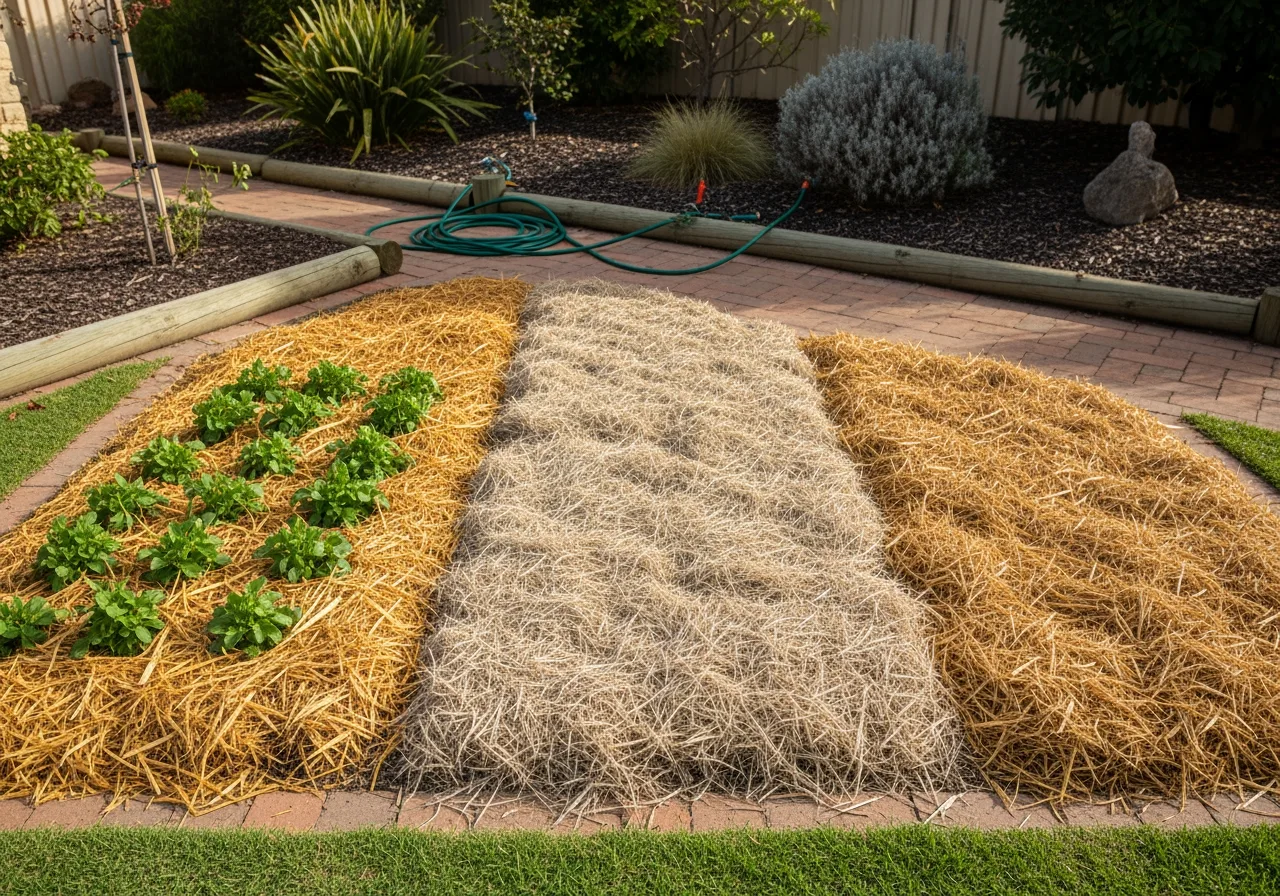
The bulk bag has arrived. It is sitting on your driveway – a cubic metre of rich, dark organic mulch ready to transform your garden beds. You have made a smart decision ordering in bulk rather than wrestling with individual retail bags. But now you are looking at this large woven bag and wondering: how do you keep it in good condition until you are ready to use it, and how do you work through it efficiently without wasting any?
It is a common situation for Perth gardeners making the switch to bulk supply. Perth’s sandy soils, fierce summer heat, and Mediterranean rainfall pattern all affect how mulch behaves in storage. Getting that balance right matters, because the benefits of mulch only reach your garden if the product is still in good condition when you spread it.
Organic mulch is not an inert product that sits unchanged indefinitely. It is biologically active – the microbes and organic matter that make it so effective in Perth garden beds are also what make storage conditions matter. Leave a bulk bag in the wrong spot for too long and you end up with dried-out, clumped material that has lost much of its value. Handle it well and it stays fresh, workable, and ready to use for months.
This guide covers everything Perth gardeners need to know about bulk bag storage – from where to place the bag after delivery, to how to manage moisture through summer and winter, to efficient spreading techniques that get maximum coverage from every cubic metre.
Why Good Storage Protects Your Mulch Investment
Good mulch storage starts with understanding what makes organic mulch valuable in the first place. Products like DSATCO Lupin Mulch contain nitrogen, organic carbon, and living microbes that improve soil health as the mulch breaks down. These biological components are what separate premium organic mulch from inert wood chip or synthetic coverage products. Understanding the benefits of mulch is what makes it worth protecting in storage.
What Happens When Mulch Is Stored in the Wrong Conditions
The same biological activity that makes organic mulch effective also makes it vulnerable to poor storage. When a bulk bag sits in full Perth summer sun, the surface layer dries out within days. The microbes in that layer die off. The organic matter hardens into clumps that are difficult to spread and do not integrate into the soil easily when you finally apply them.
On the other end of the scale, a bag that is sealed completely airtight traps moisture and heat. This creates anaerobic conditions – an environment without oxygen – where different bacteria take over. They break down the organic matter in ways that produce unpleasant odours and reduce the quality of the finished product. Neither extreme gives you good mulch for garden bed application.
What Good Organic Mulch Storage Actually Looks Like
Good organic material handling keeps mulch in the zone between these two extremes: slightly moist, protected from direct sun and driving rain, but with enough airflow to prevent anaerobic breakdown. Think of it the way you would store quality compost or potting mix – sheltered but not sealed, cool but not cold, accessible but not exposed.
Get this balance right and a bulk bag of organic mulch stays in excellent condition for 3 to 6 months in Perth conditions. The microbes remain active, the organic matter stays workable, and you can spread it directly from the bag with excellent results.
Choosing the Right Storage Location
Where you position the bag when it arrives is the most important storage decision you will make. Once a one-cubic-metre bag is on your property, moving it is not easy. Take a few minutes before delivery to identify the ideal spot.
Finding Shade and Avoiding Direct Sun
Perth summer temperatures regularly push well above 38 degrees, and a dark bulk bag in direct sun will absorb and retain heat that rapidly damages the mulch inside. The priority is shade – natural shade under a tree or beside a structure, or created shade using a tarp stretched over a simple timber frame.
DSATCO Triple-C Mulch and other composted products hold up reasonably well in partial shade, but all organic mulch benefits from being kept out of full summer sun. If you have a covered driveway, the side of a shed, or a corner of the garden that stays shaded for most of the day, that is your ideal storage location.
Drainage, Stability, and Access
The bag needs a flat, stable, well-drained base. Avoid positioning it on soil or grass where winter rains can pool water underneath – a waterlogged base draws moisture up through the bag and leads to compaction and quality loss in the bottom layer. A concrete driveway, paved surface, or a layer of old pallets provides the right base.
Also consider access. You will be taking wheelbarrow loads from this bag regularly until it is used up. Position it as close to your main garden beds as the delivery truck allows, so each load involves as little carrying distance as possible. A 100-litre wheelbarrow means 10 trips per cubic metre – over a full bulk bag, the distance between bag and bed adds up. This matters whether you sourced your order through bulk mulch suppliers perth or direct from the farm.
Protecting the Bag from Perth’s Weather
Perth’s Mediterranean climate creates two distinct storage challenges. Summer brings extreme heat and dryness that desiccates poorly stored mulch. Winter brings heavy rainfall events that can saturate an uncovered bag in a single downpour. Good bulk mulch perth storage protects against both.
Covering the Bag Without Sealing It
A loose tarp tied or weighted down over the top of the bag solves most weather protection needs. It sheds rain without sealing the bag, and it provides shade without restricting airflow around the sides. If you are storing the bag in an exposed location, a tarp wrapped loosely around the outside – but not sealed at the base – provides additional protection against driving rain and strong winds.
The key word is loose. Wrapping a bulk bag tightly in plastic creates the airless conditions that lead to anaerobic breakdown and the unpleasant smell that comes with it. You want protection from weather, not isolation from air.
After Heavy Rainfall
After significant winter rainfall, check the bag. If water has pooled on the cover and soaked through, open the bag and allow the surface layer to air out for a day or two before continuing to use it. If the entire bag is heavily saturated, spread the top layer out on a tarp in a shaded area to dry before spreading it in your garden.
DSATCO Sugar Cane Mulch is the lightest product in the range and the most vulnerable to wind and weather during storage. In exposed locations, cover this product securely and check it more frequently after heavy winter downpours.
Managing Moisture and Accessing the Bag Efficiently
The right moisture level for stored mulch is what gardeners call field capacity – damp enough to hold its shape briefly when squeezed, but crumbly when you open your hand. Squeeze a handful from the middle of the bag. If it stays in a solid clump, it is too wet. If it falls apart like dry sand, it needs moisture.
In Perth’s summer, bulk mulch perth storage may require a light misting of the surface layer every few weeks to prevent the top of the bag from drying out completely. A gentle spray over the surface for 30 seconds every two or three weeks in hot weather is usually sufficient.
How to Access a Bulk Bag Without Damaging It
Always open a bulk bag from the top. The bag’s structural integrity depends on the woven sides remaining intact – cutting or tearing the side weakens this structure and can cause the bag to lean or partially collapse, making the remaining product difficult to access and more exposed to the elements.
Use a sturdy garden fork for loose, fibrous products like DSATCO Sugar Cane Mulch – the tines lift and break up the mulch without compacting it. For denser, composted products like DSATCO Piggypost, a flat spade or shovel gives better penetration and cleaner loading into the wheelbarrow. Good organic material handling at this stage keeps the remaining product loose, aerated, and easy to spread.
Work from the top down, removing mulch in layers rather than tunnelling into the middle or the sides. As the bag empties, fold the sides down neatly to keep the remaining product contained and protected. Re-cover the bag after each use to prevent the exposed surface from drying out between sessions.
Applying Mulch at the Right Depth
Mulch application for Perth gardens all points to the same starting principle: depth matters more than most gardeners realise. A 15 to 20mm layer looks tidy initially but dries out fast in summer heat, fails to block weed seeds, and breaks down before it feeds the soil biology beneath. For most Perth garden beds, 40 to 50mm is the practical minimum for good mulch for garden bed coverage.
For vegetable gardens and rose beds, 75 to 100mm gives stronger weed suppression and better moisture retention through the warmer months. DSATCO Lawn Maximizer is applied very differently – at 10 to 20mm as a light topdressing to improve soil health under existing turf, not as a surface mulch layer.
Apply mulch to damp soil rather than bone-dry sand for best results. Water the beds well the day before spreading, then apply mulch immediately to lock in that moisture. This is especially important for Perth garden mulch sessions in late spring – getting the soil damp before you spread means the mulch starts working from the first day. Keep mulch at least 50mm clear of plant stems and tree trunks to prevent collar rot – particularly important in Perth’s wet winter months.
For spreading large areas efficiently, use your wheelbarrow to deposit mulch in several piles across the bed, then spread from each pile outward with a rake or your hands. This reduces the total distance each load travels and helps you apply an even depth across the whole bed rather than a thick area near the wheelbarrow drop-off point.
Choosing the Right Product for Storage and Application
Different mulch products store and spread differently. Understanding these differences helps you plan your storage approach and match the right product to each area of your garden.
DSATCO is a Western Australian company that produces premium organic mulch and garden products – grown and sourced 100% from WA farms. Every product in the range is designed to be applied easily and stored efficiently between uses.
Products for Garden Beds, Vegetable Gardens, and Lawns
DSATCO Lupin Mulch is nitrogen-rich and breaks down faster than composted mulches, which makes it excellent for vegetable gardens and rose beds. It should be used within 3 to 4 months of delivery for best results. The biological activity that makes it so effective in the garden also means it continues breaking down in storage – the sooner it is on your beds, the better the result.
Vivantes Lupin Mulch, the same WA-grown organic formula available through Bunnings, stores and applies identically. The same storage guidance applies to both products.
For general garden beds and large-area coverage, DSATCO Triple-C Mulch has already been composted to maturity, which makes it more stable in storage than lupin-based products. It can be stored for up to 5 to 6 months in good conditions without significant quality loss, making it a practical choice if you are working through a bulk bag gradually across a long project.
The benefits of mulch from any product in the range depend on applying it in good condition. Respecting the storage timeline for each product is how you get the results your garden deserves. For anyone sourcing in volume, finding good bulk mulch suppliers perth is the first step – the second is storing the order correctly once it arrives.
Seasonal Storage Tips for Perth Conditions
Storing organic mulch in Perth requires different approaches across the year. Summer storage (December to February) demands shade, regular moisture checks, and coverage to prevent the surface layer from drying out completely. Check the bag every couple of weeks and give it a light misting if the top layer feels dry.
Autumn (March to May) is the easiest time for bulk bag storage. Mild temperatures and early rainfall keep moisture levels stable, and cooler conditions slow the breakdown of organic matter. If you are planning a large autumn mulching project, this is the ideal time to order and work through a bulk bag. Browse the full DSATCO product range online to compare bulk bag options and choose the right product for each area of your garden before you order.
Winter storage requires attention to drainage. Perth’s winter rain can be significant, and a poorly positioned bag sitting in water will become heavily saturated and difficult to work with. Keep the base elevated and the top covered, and check after major rainfall events.
What to Do with Leftover Mulch
Finishing a project with a small amount of mulch remaining is a normal outcome of ordering slightly above your calculated need – and a better outcome than running short mid-project. Leftover product stored correctly stays usable for months.
Work through leftover mulch by topping up beds where coverage has thinned, mulching around newly planted trees or shrubs, or creating new garden beds by layering cardboard over lawn and covering with a thick mulch layer. Leftover compost-based products like Piggypost or Triple-C Mulch can also be dug into vegetable beds between seasons to continue building organic matter in the soil.
If the product has broken down into a fine, soil-like material during storage, it has transitioned from mulch into compost. This is still valuable – dig it into garden beds as a soil conditioner rather than applying it as a surface mulch layer. It will continue improving soil health even in this more broken-down form.
Whether you are choosing good mulch for gardens, planning a bulk mulch delivery perth, or working out the best way to store what has already arrived, the fundamentals are the same: protect the biology, manage the moisture, and apply at the right depth. Do those three things and every bag you order will deliver the results your garden deserves.
Healthy soil pays for itself in every season. Find the right DSATCO product for your garden or call 08 9671 1500 for advice.
Latest Posts
- How Finely Textured Sugar Cane Straw Aids Moisture Retentiveness
- When to Apply Sugar Cane Mulch to Sensitive Backyard Garden Borders
- Using Lawn Maximiser as an Organic Top Dress for Perth Domestic Turf
Reviews from
Happy Gardeners
 "Results have been spectacular. The grass has never looked healthier."
Rod


