

 Buy Online
 08 9671 1500
 office@dsatco.com
Why Organic Mulch Is Essential for Healthy Soil in Western Australia
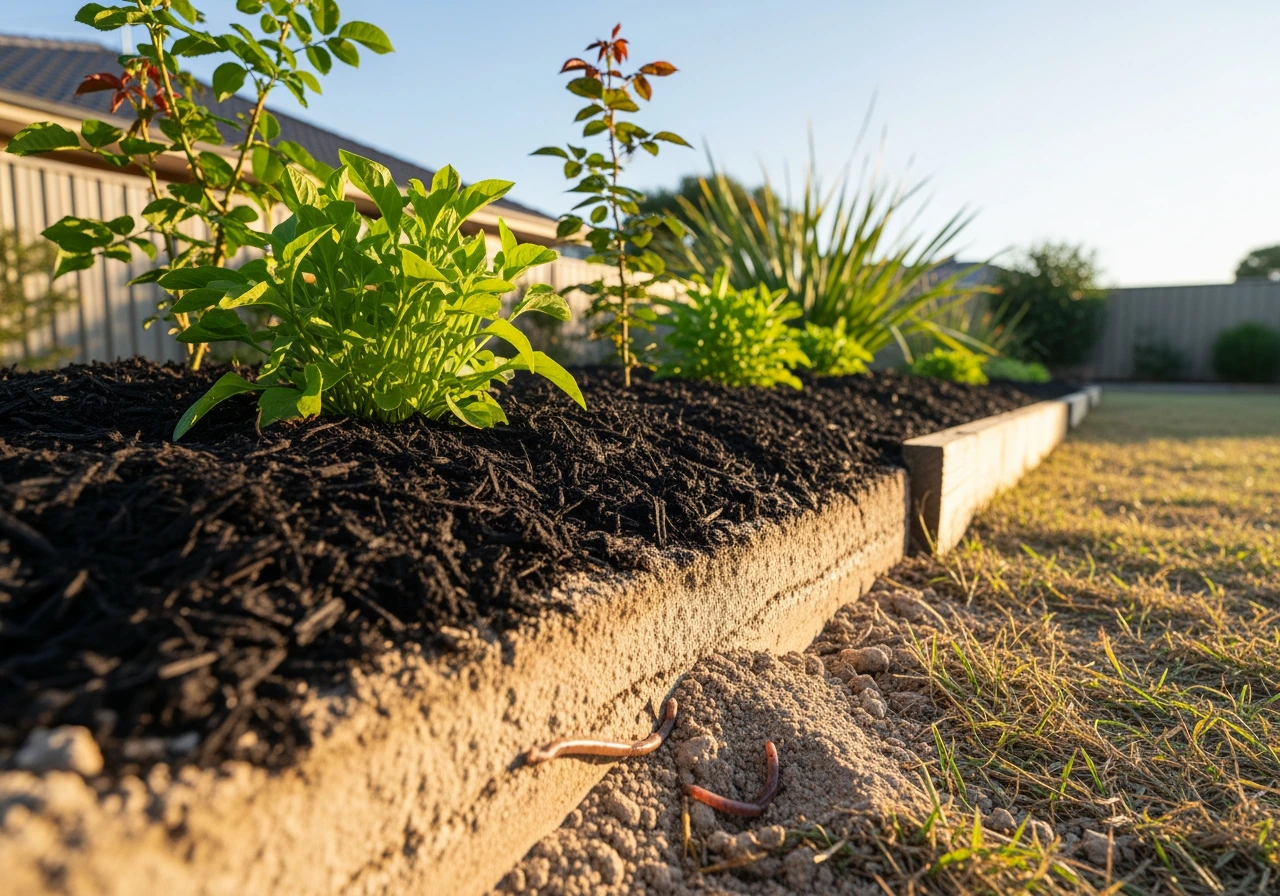
Western Australia’s soils are unlike almost anywhere else in Australia. The Swan Coastal Plain sits on deep, nutrient-poor sand that drains almost instantly after rain. Travel inland to the wheatbelt or the South West and the soils change, but the challenge remains the same: low organic matter, rapid nutrient loss, and conditions that punish plants trying to establish in summer heat. For WA gardeners, the question is not whether to improve their soil. It is how to do it most effectively.
WA soil health cannot be improved by fertiliser alone. Synthetic nutrients wash through sandy soil before roots can use them, and without the organic matter to hold them in place, the cycle of feeding and leaching repeats season after season. What Perth soils genuinely need is organic matter, and the most practical, effective way to deliver it consistently is through regular applications of quality organic mulch.
The role of organic mulch goes well beyond keeping your garden beds looking tidy. Healthy soil western australia gardeners can actually rely on needs a living ecosystem of microbes, fungi, and earthworms working beneath the surface. Organic mulch feeds that ecosystem. It protects the soil from extreme heat, holds moisture near the root zone, suppresses weeds without chemicals, and adds fertility with every application that breaks down into the ground.
This guide covers what makes WA soils so challenging, how organic mulch rebuilds natural ground cover and soil health from the surface down, and which products suit different garden types across Perth and regional WA.
What Makes WA Soils So Difficult to Garden In
Perth’s sandy soils are among the most challenging in Australia for home gardeners. The Bassendean sands that dominate the Swan Coastal Plain are coarse, low in nutrients, and biologically poor. Water drains through them within hours. Nutrients leach below the root zone before plants can access them. Organic matter breaks down rapidly under intense summer UV and heat, leaving little behind to improve the situation.
The result is soil that looks like sand, behaves like sand, and holds about as much fertility as sand. Without regular inputs of organic material, WA soil health deteriorates every season. Gardens fed only with synthetic fertilisers get the nutrients washed away before they do any lasting good, and the underlying soil structure never improves.
Why Sandy Soils Lose Nutrients So Fast
Soil particle size determines how well a soil holds nutrients and water. Sandy soils have large particles with relatively little surface area. Nutrients dissolved in water move easily between those large particles and drain away, taking with them the nitrogen, potassium, and trace elements that plants need. In clay-rich soils, small particles bind tightly to nutrients and hold them in place. In Perth sand, nothing holds them back.
This is why chemical fertilisers often disappoint WA gardeners. The nutrients go in, the plants respond briefly, then the feed leaches away and the garden fades again. You are not building soil, you are cycling expensive inputs through sand and into the subsoil. Improving sandy soil improvement requires something that stays in the ground and builds over time, not washes through it.
Why Organic Matter Is the Foundation of WA Soil Health
Organic matter is what separates productive soil from infertile sand. It holds water like a sponge, provides a slow-release reservoir of nutrients, and supports the microbial life that converts raw organic material into forms plants can actually absorb. Soils with high organic matter content are darker, softer, more moisture-retentive, and biologically far more active than soils without it.
WA soils naturally contain very little organic matter. Building it requires consistent, deliberate inputs. Every layer of organic mulch you apply contributes to that process. As it breaks down, it adds carbon and nutrients to the soil. Microbes, earthworms, and fungi process that material into humus, the stable dark material that gives healthy soil its characteristic structure and fertility. Organic mulch WA gardeners apply consistently is the most practical way to rebuild what our sandy soils lack.
How Organic Mulch Rebuilds Soil Structure and Fertility
Organic mulch works from the surface down. When you spread a layer of quality organic mulch across a garden bed, three things happen immediately. The soil surface is shaded from direct sun, slowing evaporation. A physical barrier forms that blocks weed seeds from germinating. And the biological process of decomposition begins, slowly feeding the soil beneath.
DSATCO Lupin Mulch is made from WA lupin plant material combined with chicken manure, giving it a nitrogen-rich profile that feeds the soil as the mulch breaks down. For garden beds, rose gardens, and vegetable patches across Perth, it delivers both the surface protection of a mulch layer and the slow-release nutrition of an organic fertiliser. That dual action is what makes it one of the most popular choices for WA gardeners building soil health over time.
From Dead Material to Living Soil
The transformation from applied mulch to living soil is driven by biology. Bacteria begin breaking down simple organic compounds within days of application. Fungi follow, processing the tougher fibrous materials. Earthworms pull fragments of decomposing mulch down into the soil, creating channels that improve aeration and drainage. Together, these organisms convert raw organic material into humus, the stable form of organic matter that gives healthy soil its structure and long-term fertility.
This process is cumulative. Each application adds to what previous layers started. Soil biology Perth gardeners invest in through regular mulching builds on itself. After two or three seasons of consistent mulch applications, the visible improvement in soil texture, colour, and moisture retention is significant. The soil becomes darker, softer, and noticeably more productive with each passing year. Achieving healthy soil western australia gardeners can rely on through summer takes time, but organic mulch WA applications twice a year is the most direct path to get there.
Keeping Soil Alive Through Perth’s Summer Heat
Bare soil in a Perth summer is under severe stress. Surface temperatures on unprotected sandy soil can reach damaging levels that kill beneficial microbes, accelerate the breakdown of remaining organic matter, and leave the soil biologically depleted by the time autumn arrives. This is one of the most underappreciated reasons why WA gardens can feel like they are fighting uphill even when watering and fertilising regularly.
A 50mm layer of organic mulch acts as an insulating blanket. It absorbs radiant heat, shades the soil surface, and maintains a far more stable temperature in the root zone through the hottest months. Soil biology Perth gardens need to thrive stays active rather than shutting down. The microbes that convert organic matter into plant-available nutrients survive the summer rather than dying off, which means your soil is healthier and more productive when the growing season returns in autumn.
Water Retention and the Case for Organic Mulch in a Drying Climate
Perth’s rainfall has declined significantly over recent decades. Summer water restrictions are now a permanent feature of gardening on the Swan Coastal Plain, and bore users face increasing scrutiny over extraction rates. Every garden decision that reduces water demand is worth making, and organic mulch is one of the most effective tools available.
DSATCO is a Western Australian company that produces premium organic mulch and garden products, grown and sourced 100% from WA farms. The full product range is designed specifically for Perth’s sandy soils, dry summers, and the conditions that make gardening here different from anywhere else in Australia.
How Mulch Creates a Moisture Buffer in Sandy Soil
Sandy soil without organic matter holds water for hours, not days. After rainfall or irrigation, water moves rapidly downward through large soil particles, draining below the root zone before plants can access it. This is why Perth gardens can feel like they need watering almost daily in summer, even when they have recently been irrigated.
Organic mulch creates a buffer at the soil surface that dramatically slows this process. The mulch layer absorbs some of the initial moisture, then releases it slowly into the soil beneath. It also blocks direct solar radiation from hitting the soil surface, reducing evaporation from the top layer where most fine roots are active. DSATCO Triple-C Mulch is a composted cereal crop blend that provides excellent moisture retention for general garden beds and native plantings, breaking down slowly to maintain effective coverage through summer.
Choosing the Right Mulch for Water Retention in WA
Application depth matters as much as product selection for effective water retention. A thin 20mm layer dries out quickly in Perth heat and offers minimal protection. At 40 to 50mm depth, organic mulch starts delivering genuine benefits: reduced evaporation, cooler soil temperatures, and moisture availability that extends the time between watering sessions.
For vegetable gardens where you need a clean, lightweight natural ground cover that does not mat down too heavily around young seedlings, DSATCO Sugar Cane Mulch is an effective choice. It provides good moisture retention and breaks down within a season, adding organic matter to the soil as it goes. For established ornamental beds and natives where long-lasting coverage matters more, a composted blend applied at 50mm gives better results through the full summer period.
Weed Suppression Without Chemicals
Weeds thrive in bare, disturbed soil. In Perth’s climate, winter annuals like oxalis and soursob can take over an unmulched garden bed within weeks of the first autumn rains. Spring weeds follow in October, and by summer, the battle for water and nutrients between weeds and garden plants is at its most damaging. Managing weeds with herbicides controls the symptom but does nothing to improve the underlying soil conditions that let weeds thrive.
DSATCO Piggypost applied before planting and topped with a quality organic mulch creates one of the most effective weed-suppression systems available without chemicals. Piggypost is a mature compost product made from pig manure, rich in humus and beneficial microbes. Applied to garden beds before planting, it builds the soil biology and structure that supports strong plant growth. The mulch layer on top then denies weed seeds the light they need to germinate.
How Mulch Outcompetes Weeds Naturally
A properly applied organic mulch layer works on weed seeds in two ways. First, it blocks light. Most annual weed seeds require light to trigger germination. Under 50mm of organic mulch, they cannot get it. Second, it creates physical resistance to seedling emergence. Weed seeds that do manage to germinate in darkness must push through a dense organic layer before reaching light, and most do not make it.
The weeds that do push through under any mulch layer are far easier to remove than those growing in bare, compacted soil. The moisture retained under the mulch keeps the soil soft and friable, making hand removal of breakthrough weeds quick and clean. Over time, as organic matter builds in the soil, garden plants establish stronger root systems and canopy coverage that outcompetes weeds naturally.
The Long-Term Weed Control Advantage
Organic mulch compounds its benefits over multiple seasons. Each application improves soil structure and biology, which supports stronger garden plants that are increasingly capable of outshading and outcompeting weed seedlings. The weed pressure that feels significant in the first year reduces noticeably by year two and three as the mulched soil ecosystem becomes more stable and productive.
DSATCO Lawn Maximizer extends this principle to lawn areas. Applied as a light topdressing on kikuyu, couch, and buffalo lawns common across Perth, it builds the soil health beneath the turf that supports dense, vigorous grass growth. Dense, healthy turf is itself a form of natural ground cover that suppresses weed establishment in lawn areas, reducing the need for herbicide applications over time.
Choosing the Right Organic Mulch for Your WA Garden
Not all organic mulches deliver the same results, and choosing the right product for your specific garden type makes a real difference to outcomes. WA’s variety of garden styles, soil types, and growing conditions means there is no single product that suits every application. Understanding what each product does and where it performs best helps you build WA soil health more effectively with every application.
The full DSATCO product range is available to browse online, with detailed product information and bulk bag options for home gardeners and commercial landscapers across Perth and regional WA.
Products for Vegetable Gardens, Roses, and Ornamental Beds
For vegetable gardens, sugar cane mulch is the practical choice. It is lightweight, easy to work into beds between plantings, and breaks down quickly enough to be turned into the soil at the end of the season, adding organic matter with every cycle. For rose gardens and ornamental borders where soil biology Perth rosarians depend on includes consistent nitrogen availability, lupin mulch is the premium option. The chicken manure content makes it both a surface mulch and a slow-release fertiliser, feeding roses and flowering plants through the season without requiring separate applications of synthetic nutrients.
For gardeners who prefer to shop at Bunnings, Vivantes Lupin Mulch carries the same WA-grown organic formula and delivers the same soil health benefits. It is available through Bunnings stores across Perth and applies at the same rates as the DSATCO product.
Products for Soil Conditioning and Lawn Care
Building genuine WA soil health requires attention below the surface as well as above it. Piggypost applied before planting and topped with mulch is the most effective combination for transforming sandy WA soil into productive growing ground. The Piggypost introduces humus and living microbes into the soil profile, while the mulch layer on top protects that investment from heat and moisture loss.
For lawn areas, Lawn Maximizer builds the organic matter content beneath established turf, improving water retention and reducing the frequency of fertiliser applications over time. Together, these products address the full picture of WA soil health — not just the surface, but the soil biology, structure, and nutrient-holding capacity that determine how well every plant in your garden performs.
Building Healthy WA Soil Is a Long-Term Practice
Organic mulching is not a one-time fix. It is a practice. The first application reduces watering needs and begins improving soil biology. The second builds on that foundation. By the third year, the difference is visible in darker soil, better moisture retention, stronger plant growth, and significantly less maintenance time. Sandy soil improvement through consistent organic mulching is cumulative, permanent, and far more effective than any quick chemical fix.
WA soils respond well to organic inputs precisely because they start from such a low baseline. There is a lot of room for improvement, and organic mulch delivers it consistently with every application. The investment is modest. The results compound over time. And the garden that benefits is healthier, more water-efficient, and more productive with each passing season.
Give your soil the foundation it needs. Shop online or contact the team on 08 9671 1500 to find the right product for your beds.
Latest Posts
- How Finely Textured Sugar Cane Straw Aids Moisture Retentiveness
- When to Apply Sugar Cane Mulch to Sensitive Backyard Garden Borders
- Using Lawn Maximiser as an Organic Top Dress for Perth Domestic Turf
Reviews from
Happy Gardeners
 "Results have been spectacular. The grass has never looked healthier."
Rod


