

 Buy Online
 08 9671 1500
 office@dsatco.com
How and When to Apply Piggypost to WA Garden Beds
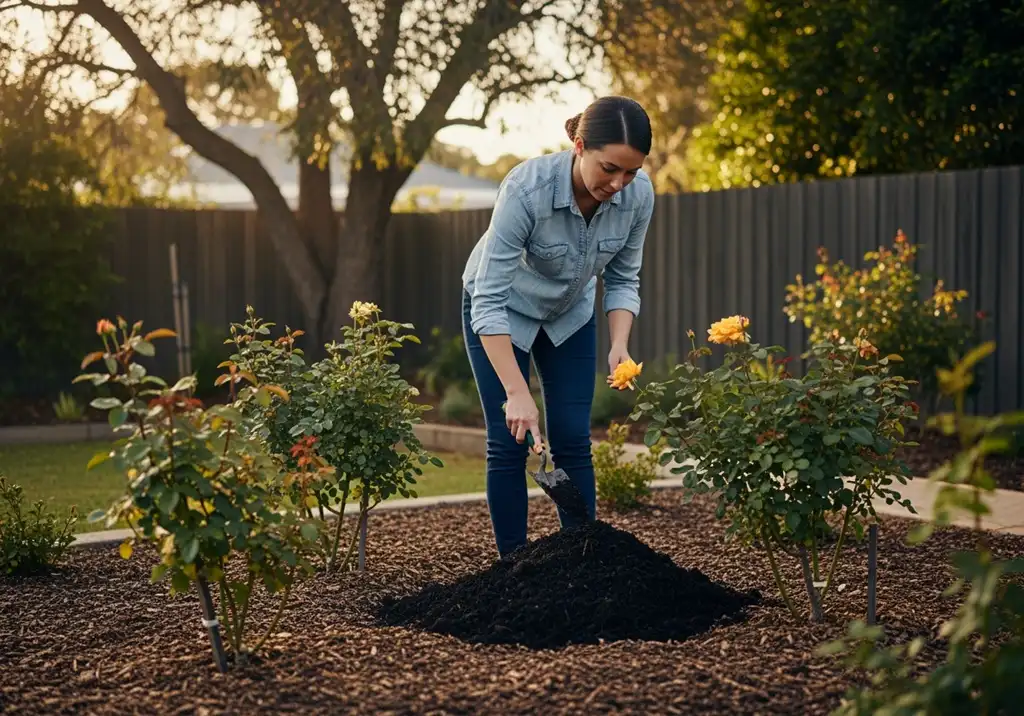
WA’s sandy soils are hungry soils. They drain fast, hold little organic matter, and lose nutrients quicker than most gardeners realise. That is exactly why applying composted pig manure to WA garden beds delivers such noticeable results across Perth and regional WA gardens. But timing and application method matter as much as the product itself. Apply at the wrong time or in the wrong way, and the full benefit does not reach your plants or your soil.
This guide covers how and when to apply Piggypost to WA garden beds, from preparing new vegetable patches to feeding established roses and ornamentals. You will learn the best application depths, the seasonal timing that suits Perth’s climate, and how to combine Piggypost with mulch for the most effective WA garden soil conditioning approach available.
Why Applying Pig Manure to Garden Beds in WA Requires the Right Approach
Applying pig manure garden beds in WA need to perform through harsh summers and nutrient-leaching winters requires matching the application to the soil’s biological activity cycle. Microbial activity, which drives nutrient release from composted pig manure, is highest in warm, moist soil. When soil is too hot, too dry, or too cold, the microbes slow down and the product delivers less of its potential.
Perth’s Mediterranean climate creates specific timing windows where soil conditions are ideal for Piggypost application WA gardeners benefit most from. Understanding these windows is the most important aspect of successful pig manure garden beds WA soil improvement. The right Piggypost application WA garden beds receive is one timed to the season rather than applied opportunistically when the bags happen to arrive.
What Piggypost Is and Why It Works in Perth’s Soils
DSATCO Piggypost is produced through a controlled 12-18 month composting process that transforms raw pig manure into a stable, humus-rich soil conditioner approximately 70% humus with living microbes. This extended composting process eliminates pathogens, weed seeds, and ammonia while preserving and enriching the beneficial microbial community that makes it effective in the garden.
The humus it contains binds sandy WA soil particles into aggregates, improving water and nutrient retention. The living microbes begin cycling nutrients into plant-available forms from the moment they have adequate moisture and soil temperature to become active.
The Seasonal Challenge of Applying Pig Manure in Perth
Perth’s summer heat can stress soil biology and reduce the effectiveness of composted pig manure applied without immediate water and mulch cover. At peak summer temperatures, microbial activity in sandy soil is already reduced, and applying Piggypost to dry soil in these conditions limits how much benefit reaches your plants.
The best autumn soil prep WA garden beds receive includes Piggypost applied in March or April when soil temperatures are still warm from summer but dropping toward the more moderate range that supports sustained microbial activity. This timing allows the product to integrate fully before winter rains begin.
When to Apply Piggypost to WA Garden Beds
Timing applications to periods of active soil microbial activity maximises the nutrient release and soil improvement Piggypost delivers. Two primary seasonal windows dominate the most effective Piggypost application calendar for Perth’s Mediterranean climate.
Autumn Application (March-May): The Primary Window
Autumn is the single best time to apply Piggypost across most WA garden beds. Soil is still warm from summer, which keeps microbial activity at an effective level for breaking down the organic matter. Approaching winter rains help work the organic material into the soil profile without washing it away, and plants entering their active cool-season growing cycle benefit immediately from the nutrients becoming available.
For the autumn preparation WA vegetable gardens depend on before cool-season planting, apply Piggypost in March or early April and allow 2-3 weeks before planting. Cool-season crops including broccoli, cauliflower, kale, lettuce, peas, and broad beans all benefit from beds prepared with Piggypost in the weeks before planting.
Early Spring Application (August-September)
Late winter is ideal for preparing vegetable beds before spring planting or feeding established perennials as they prepare for their main growth push. Apply Piggypost in August, allow 2-4 weeks before direct seeding, and plant warm-season crops in September as soil temperatures rise consistently.
Applying Piggypost WA warm-season vegetable beds need in August ensures nutrients are available from the first week of active plant growth in spring. Tomatoes, capsicums, eggplant, zucchini, and other summer crops respond strongly to beds prepared with composted pig manure ahead of planting.
Winter Application (June-August)
Winter application of Piggypost works well for new garden projects, major bed renovations, and any situation where you are preparing soil for spring planting rather than feeding actively growing plants. Cooler soil temperatures slow microbial activity, but the product continues breaking down gradually through winter. By the time spring warms the soil, the Piggypost is well integrated and ready to activate, giving beds that will be planted in spring the full benefit of a well-established organic matter base before growth demands begin.
When Not to Apply Piggypost
Mid-summer (December-February) is the least effective window for Piggypost application. Perth’s extreme heat stresses soil biology, dry conditions prevent microbial activation, and the composted pig manure can sit largely inert on the soil surface until rain or deep irrigation activates it. If summer application is genuinely necessary, water deeply before and after application and cover immediately with mulch at 50-75mm depth to maintain moisture and protect microbial activity.
How to Apply Piggypost to New Garden Beds Step by Step
New garden beds benefit most from Piggypost worked thoroughly into the root zone before planting. This places organic matter, nutrients, and living microbes throughout the zone where new plant roots will establish and feed from their first week in the ground.
The DSATCO site recommends a mix ratio of 2 parts soil to 1 part Piggypost for best results in a single application. Applying pig manure garden beds are being built from scratch in particularly poor sandy soil means this ratio transforms the growing medium before the first seed or seedling goes in. For pig manure garden beds WA gardeners establish each new season, this pre-planting application is the foundation everything else builds on.
Preparation and Application Steps for New Beds
Clear the area of weeds, grass, and debris. Break up any compacted soil with a garden fork to at least 20cm depth before adding Piggypost. Apply Piggypost across the bed and work it into the top 150-200mm of soil using a garden fork or spade. You want it distributed throughout the root zone, not sitting on the surface.
Water the bed thoroughly to activate the microbial content and begin the nutrient release process. Then apply mulch at 40-50mm depth on top. Wait 1-2 weeks before direct seeding to allow microbial activity to stabilise. Seedling transplants can go in immediately after watering.
How to Apply Piggypost to Established Garden Beds
Established garden beds benefit from Piggypost applied as a topdressing around plants rather than being deeply incorporated through active root systems. The topdressing approach allows Piggypost to work gradually from the soil surface downward through rain and irrigation.
Side-Dressing Around Established Plants
Spread Piggypost around established plants, keeping it at least 50-100mm clear of stems and trunks. Water thoroughly after application. Light forking into the top 50mm of soil speeds nutrient release if the surface is compacted, but leaving it as a surface dressing also works well as it is naturally incorporated by rain, irrigation, and soil biology.
The DSATCO site confirms specific application rates: 2kg per mature rose bush or shrub annually, and 15-20kg per mature tree applied annually around the dripline rather than against the trunk.
Vegetable Garden Applications
For vegetable gardens, the DSATCO site confirms 20kg of Piggypost per square metre as the reference application rate. Between crop rotations, apply a fresh layer of Piggypost to the bed and fork it in before replanting. This replenishes nutrients removed by the previous crop and adds fresh organic matter to replace what decomposed through the growing season. Applying pig manure to garden vegetable beds between rotations maintains the fertility cycle that productive WA vegetable growing depends on.
Correct Application Depths and Coverage
The verified coverage from the DSATCO product page confirms: the 20L bag covers just over 1m² at recommended application rates. The 800L bulk bag covers 25-30m² at the same rates. Use these figures to calculate how much to order before purchasing.
Depth Guidelines by Garden Type
For new beds: apply at 40-50mm depth and work into the top 150-200mm of soil. For established beds and individual plants: apply at 20-30mm depth as a surface dressing around the root zone, keeping 50-100mm clear of stems. For vegetable gardens: follow the DSATCO site rate of 20kg per square metre as the primary guide.
Combining Piggypost with Mulch for WA Garden Soil Conditioning
Piggypost and mulch work together as the most effective WA garden soil conditioning system available to Perth gardeners. Piggypost application WA garden beds benefit most from is always followed by mulch on top to protect the microbial activity activated by watering. Applying Piggypost WA garden beds need and immediately covering with mulch at 40-50mm depth is the complete two-tier approach that produces the best results through Perth’s challenging climate.
The Layering Method for WA Garden Beds
Apply Piggypost first, work it in or spread it as a topdressing, then water thoroughly. Apply DSATCO Lupin Mulch or DSATCO Sugar Cane Mulch at 40-50mm depth on top for vegetable beds. For established ornamental and general garden beds, DSATCO Triple-C Mulch provides long-lasting balanced coverage over a Piggypost base. The mulch layer protects DSATCO Piggypost from drying in Perth’s summer heat and maintains the moisture needed for continued microbial activity below.
Best Mulch Pairings with Piggypost
DSATCO Lupin Mulch suits vegetable beds and rose gardens over a Piggypost base layer. The lupin plant material and chicken manure add additional nitrogen from above while Piggypost feeds the soil from below.
DSATCO Sugar Cane Mulch suits vegetable beds where replanting happens frequently. Its fine texture is easy to work around when planting new seedlings and allows good water penetration through to the Piggypost layer below.
For lawn areas adjacent to garden beds being treated with Piggypost, DSATCO Lawn Maximizer is the organic top-dress product specifically formulated for existing WA turf, complementing the broader soil improvement programme in the garden beds alongside.
Common Mistakes When Applying Piggypost to WA Garden Beds
Errors That Reduce Piggypost Effectiveness
Not watering after application is the most common error that undermines Piggypost effectiveness. Dry product sitting on the surface in Perth’s heat does not activate. The living microbes in Piggypost need moisture to begin working. Water deeply after every application.
Applying against plant stems is another avoidable error. Keep Piggypost at least 50-100mm clear of stems and trunks to prevent moisture accumulation against plant tissue. This is especially important in WA’s humid winter months when collar rot and fungal stem disease risk is highest.
Applying in extreme summer heat without mulch loses a significant portion of the benefit before microbial activity can fully utilise the organic matter. If summer application is unavoidable, mulch immediately and irrigate deeply.
Conclusion
DSATCO produces Piggypost through a controlled 12-18 month composting process from locally sourced WA pig manure. It is designed for Perth’s specific sandy soil conditions and delivers reliable soil improvement when applied at the right time and in the right way.
Applying pig manure to WA garden beds correctly means timing to autumn or early spring, using the application depths and rates confirmed on the DSATCO site, watering thoroughly after every application, and combining with mulch for the most complete soil conditioning system. The autumn soil prep WA gardens benefit most from is the combination of Piggypost in the soil and quality organic mulch on top, applied before seasonal stress arrives rather than after.
Talk to the DSATCO team about the right product for your beds on 08 9671 1500, or browse the full DSATCO product range to plan your next soil improvement application.
Latest Posts
- How Finely Textured Sugar Cane Straw Aids Moisture Retentiveness
- When to Apply Sugar Cane Mulch to Sensitive Backyard Garden Borders
- Using Lawn Maximiser as an Organic Top Dress for Perth Domestic Turf
Reviews from
Happy Gardeners
 "Results have been spectacular. The grass has never looked healthier."
Rod


