

 Buy Online
 08 9671 1500
 office@dsatco.com
Pig Manure vs Compost Which Is Better for WA Soil
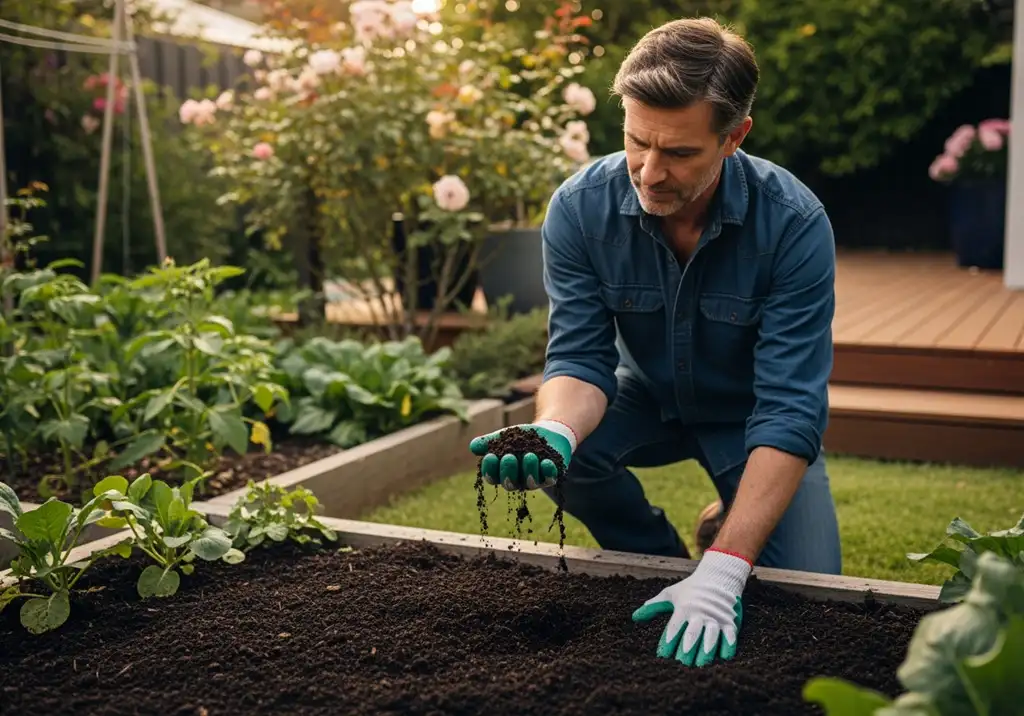
WA gardeners consistently face the same challenge: sandy soil that drains nutrients faster than most plants can use them. The solution always involves adding organic matter, but the choice between pig manure and compost is one that perth gardeners ask repeatedly. Both improve WA soil in different ways, and both have clear situations where they outperform the other.
Understanding the pig manure vs compost WA comparison from a practical gardening perspective helps you match the right product to your specific garden type, plants, and soil condition. The choice is not about which product is universally better. It is about which product suits your situation best at any given point in the growing season.
This guide covers how each product works in Perth’s sandy soil conditions, where each performs best, and how to combine them for the most comprehensive soil improvement outcomes in WA garden beds.
Why the Choice Between Pig Manure and Compost Matters in WA
Perth’s sandy soils are genuinely poor growing environments without consistent organic matter addition. They drain under gravity, carrying dissolved nutrients away from plant roots. They have almost no natural humus to hold water or nutrients between irrigation cycles. And they lack the microbial diversity that healthy soil biology requires.
Both composted pig manure and compost address these problems. But the organic manure WA soil improves most quickly with for intensive growing is composted pig manure, while the organic soil WA garden maintenance programmes built on compost deliver gentler, more consistent conditioning over time. Knowing the difference determines which you reach for first. Understanding how each product works in WA’s specific growing conditions is what helps you choose strategically rather than by habit.
What Each Product Brings to Sandy WA Soil
Composted pig manure like DSATCO Piggypost delivers concentrated nutrients alongside organic matter and living microbes. Its nitrogen, phosphorus, and potassium content is higher than most compost options. This makes it particularly effective for heavy-feeding plants growing in WA’s nutrient-poor sandy soil.
Compost delivers broader soil structure improvement with more balanced, gentler nutrient release. It excels at building the aggregate structure and microbial diversity that creates self-sustaining organic soil WA garden beds need to become genuinely productive over time. The WA soil amendment comparison between the two comes down to intensity and intent. The compost vs pig manure WA question is ultimately answered by asking: do you need fast, intensive soil rebuilding, or steady, gentle long-term conditioning?
The Common Ground Between Both Products
Both composted pig manure and compost improve water retention in Perth’s fast-draining sandy soils. Both introduce organic matter that builds toward the humus content that characterises productive garden soil. Both support soil biology, though composted pig manure delivers a more concentrated microbial inoculant per application.
For Perth gardeners asking compost vs pig manure WA soils respond to best, the answer depends more on what they are growing than on a universal ranking of the products themselves.
How Composted Pig Manure Works in WA Gardens
Composted pig manure is the more nutrient-intensive of the two options. When produced through the full 12-18 month composting process, it arrives at approximately 70% humus with living microbes intact, as is the case with DSATCO Piggypost. The composting process eliminates pathogens, weed seeds, and raw ammonia while preserving and enriching the biological content.
Nutrient Density and Soil Improvement
Pig manure contains higher nitrogen, phosphorus, and potassium than most compost alternatives. This nutrient density makes it particularly valuable for heavy-feeding plants in WA’s nutrient-poor sandy soil, where multiple nutrient deficiencies are common and a single application that addresses several simultaneously delivers real efficiency.
The slow-release nature of composted pig manure means nutrients become available gradually as microbial activity breaks down the organic matter. This gradual release matches how plants feed, delivering nutrients over weeks and months rather than all at once.
Safety and Composting Requirements
Raw pig manure should never be used in gardens. It contains ammonia levels that burn plant roots, may carry pathogens, and creates an environment that is harmful rather than beneficial to soil biology. Only fully composted pig manure is appropriate for any garden application, particularly vegetable beds.
The 12-18 month composting process that DSATCO Piggypost undergoes heats the material sufficiently to eliminate all pathogens and weed seeds while producing the stable, humus-rich final product. If you are sourcing pig manure from any supplier, always confirm the composting duration and process before application.
How Compost Works in WA Gardens
Compost focuses more on soil structure improvement than concentrated nutrient delivery. It creates a sponge-like texture in sandy WA soil that holds water and nutrients closer to plant roots. The earthworm and microbial activity it supports improves soil drainage and aeration alongside moisture retention.
Soil Structure and Water Retention from Compost
Compost builds stable organic matter that improves aggregate structure in sandy soil. As it integrates into the profile, it creates micro-pores that hold water and nutrients against the gravitational drainage that makes unimproved Perth sandy soil such a challenging growing environment.
Good quality compost contains millions of beneficial microorganisms per gram. These contribute to the living soil system that makes organic matter cycling work over the long term. While the nutrient content per volume is lower than composted pig manure, the structural improvement compost delivers is lasting.
Where Compost Suits WA Garden Beds
Compost suits established garden beds needing ongoing gentle conditioning, WA native plantings where high nitrogen would damage phosphorus-sensitive root systems, and potted plants where soil structure maintenance is the priority over intensive feeding.
For WA native species like banksias, grevilleas, and hakeas that evolved in genuinely poor soils, compost adds organic matter without the phosphorus levels that composted pig manure delivers. This makes it the safer choice for native garden applications where soil improvement is needed but nutrient loading is not.
Organic Manure WA Soil Improvement: Practical Comparison
The pig manure or compost Perth decision is most clearly answered by matching the product to what you are growing and what your soil needs most. The organic manure WA soil amendment question becomes straightforward once you know the nutrient demands of your plants.
When Composted Pig Manure Outperforms Compost
Heavy-feeding vegetable crops, roses, fruiting trees, and any new garden bed being built from scratch in poor sandy WA soil all benefit most from composted pig manure. The concentrated nutrient delivery and strong microbial inoculation produce faster, more measurable improvement in these situations than compost alone can achieve.
Where results are needed quickly in a depleted or structurally poor garden, pig manure’s combination of nutrient density and living biology delivers the strongest response. The DSATCO site recommends 2kg of Piggypost per mature rose bush annually as a reference application that delivers genuine feeding alongside soil improvement.
When Compost Outperforms Pig Manure
WA native gardens with phosphorus-sensitive species, established perennial beds that need gentle ongoing conditioning, and any situation where the primary goal is long-term soil structure rather than active plant feeding are all situations where compost outperforms pig manure.
Compost also suits potted plants, seed-raising mixes, and any application where balanced, gentle conditions are important. The lower nutrient intensity means a wider range of plants can receive it without risk of over-feeding, making it more broadly applicable across mixed gardens.
WA Soil Amendment Comparison by Garden Type
The most practical way to navigate the pig manure vs compost WA decision is to match the product to each specific garden zone based on what is planted there.
DSATCO produces both Piggypost (composted pig manure) and a range of organic mulches that work alongside soil conditioners. The combination of the right soil amendment below and the right organic mulch above delivers the most complete soil improvement system available to Perth gardeners.
Vegetable Gardens and Productive Beds
Composted pig manure is the stronger choice for vegetable beds. Its nutrient density supports the heavy feeding demands of productive crops through WA’s two vegetable growing seasons. Apply Piggypost before planting, allow 1-2 weeks for direct seeding, and combine with a nitrogen-appropriate mulch like DSATCO Lupin Mulch for a complete feeding system.
Compost is a useful addition to vegetable beds as a surface top-dressing between crop rotations, where its structure-building properties prepare the soil for the next planting cycle.
Rose Beds and Heavy-Feeding Ornamentals
Composted pig manure suits roses and other heavy-feeding ornamentals throughout the growing season. The nitrogen and trace elements it releases as it breaks down support continuous flower production and strong stem development. The DSATCO site recommends 2kg of Piggypost per mature rose bush annually as a practical application guide.
Pair Piggypost with DSATCO Triple-C Mulch as the surface layer over rose beds for a complete two-tier conditioning system.
Native Gardens and Sensitive Plants
Low-nutrient compost or wood-based mulch suits phosphorus-sensitive WA native species far better than composted pig manure in established native garden settings. Native plants including banksias, grevilleas, and hakeas evolved in genuinely poor soils. Their proteoid root systems are specifically adapted to extract small amounts of nutrients from poor soil, and high phosphorus inputs cause real damage.
For native garden soil improvement, use compost at a moderate rate to build organic matter without the nutrient overload that pig manure delivers. Keep pig manure for vegetable beds, rose gardens, and citrus trees where its nutrient density is an asset rather than a risk. For vegetable beds pairing Piggypost with a surface mulch, DSATCO Sugar Cane Mulch provides a lightweight, easy-to-work option that allows frequent replanting. For home gardeners who pick up product at Bunnings, the Vivantes Lupin Mulch delivers the same quality DSATCO lupin and chicken manure formula in a convenient retail bag format.
Combining Both Products for Maximum WA Soil Improvement
The best WA garden soil improvement programmes use both composted pig manure and compost strategically, rather than choosing one product for everything. Pig manure handles concentrated feeding and fast soil rebuilding. Compost handles gentle ongoing conditioning and surface protection.
The Layering Approach for WA Gardens
Apply Piggypost to beds before planting to feed and condition from below. Work it into the top 150-200mm of soil at the DSATCO-recommended 2 parts soil to 1 part Piggypost ratio. After planting, apply a layer of compost or organic mulch on top to condition from above and protect the pig manure layer from rapid drying in Perth’s summer heat.
Seasonal Rotation Strategy
In spring and autumn, apply composted pig manure before the main growing push of each vegetable or ornamental season. Year-round, maintain mulch or compost layers on the surface to protect and condition the soil continuously between primary applications.
Conclusion
The choice between these two organic soil inputs is most productive when framed as a partnership rather than a competition. Both products improve WA’s challenging sandy soil. Each does it differently and suits different growing situations.
Composted pig manure delivers concentrated nutrients and fast soil rebuilding for vegetable beds, roses, and heavy-feeding plants. Compost delivers gentler, broader soil structure improvement for established beds, native gardens, and long-term conditioning. Together, applied strategically to each garden zone, they create the most resilient and productive organic soil WA garden conditions can support.
When the question is pig manure or compost Perth gardeners should use, the honest answer is that most productive WA gardens benefit from both applied to different zones at different times. Match the nutrient intensity to what each part of your garden needs, and the combination delivers results that neither product achieves alone.
Get personalised advice from the DSATCO team on 08 9671 1500 about which product suits your specific garden and soil situation, or browse the full DSATCO product range to explore all organic soil improvement options.
Latest Posts
- How Finely Textured Sugar Cane Straw Aids Moisture Retentiveness
- When to Apply Sugar Cane Mulch to Sensitive Backyard Garden Borders
- Using Lawn Maximiser as an Organic Top Dress for Perth Domestic Turf
Reviews from
Happy Gardeners
 "Results have been spectacular. The grass has never looked healthier."
Rod


