


 Buy Online
 08 9671 1500
 office@dsatco.com
Why Landscape Mulch Matters for WA Garden Design
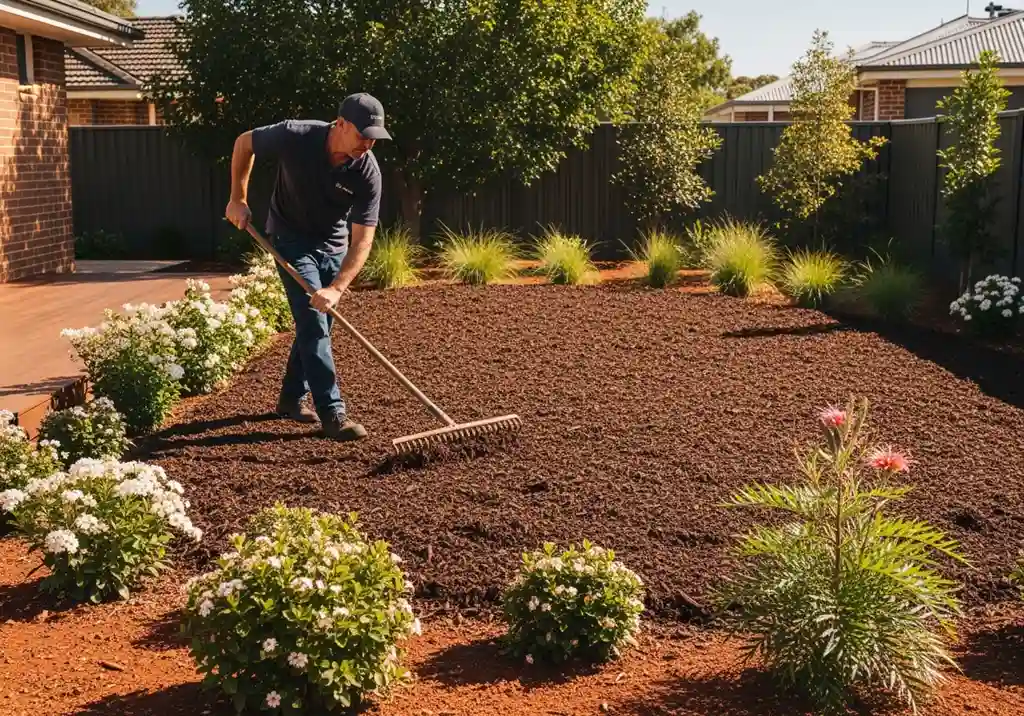
Western Australian gardens face challenges most other regions in Australia do not deal with. Intense summer heat, sandy soils that drain too fast, and water restrictions that limit how often you can irrigate make the fundamentals of garden design more demanding here than almost anywhere else in the country. Landscape mulch in WA is not a finishing touch applied after planting. It is the foundation layer that determines whether a designed garden survives summer and thrives year-round.
A well-designed Perth garden without proper landscape mulch is like building a house without insulation. You might get the planting and structure right, but the ongoing maintenance and water costs will work against you. The right landscape mulch Perth conditions demand transforms how a garden performs, protecting the root zone, building the soil, and reducing the intervention needed to keep plantings looking their best through WA’s toughest months.
For landscapers, garden designers, and home gardeners across the Swan Coastal Plain and regional WA, understanding which landscape mulch to use, where to use it, and how to manage it over time is one of the highest-return skills in WA horticulture.
Why Landscape Mulch Is Foundational to WA Garden Design
Perth’s sandy soils are notoriously low in organic matter. They drain fast, which strips nutrients from the root zone with every irrigation and rain event. Without a protective surface layer, landscape beds on the Swan Coastal Plain heat up rapidly in summer, dry out within days of watering, and become ideal germination conditions for weeds. No amount of careful plant selection overcomes these problems if the soil surface is left bare.
Landscaping mulch WA professionals rely on works by addressing all three problems simultaneously. It slows moisture evaporation from the soil surface, keeping the root zone hydrated between irrigation days. It blocks light from weed seeds, preventing germination without herbicides. And as it breaks down, it adds organic matter to the soil profile, building the humus that sandy WA soils desperately need to become genuinely productive.
The WA Climate Problem That Makes Landscape Mulch Essential
The Swan Coastal Plain’s deep sandy soils have almost no clay content. Water and dissolved nutrients drain through them under gravity, leaving plant roots dry and nutrient-deficient faster than in any clay-bearing soil. Summer soil surface temperatures can reach damaging levels on exposed ground, killing beneficial soil microbes and stressing shallow feeder roots.
A landscape mulch WA garden designers specify as part of the initial design brief performs far better than mulch applied as an afterthought. When mulch is planned into the design from the start, beds are set up for long-term soil improvement rather than short-term appearance only.
How Organic Mulch Changes Garden Performance Below the Surface
The visible benefits of landscape mulch are immediate. The below-surface transformation that happens over multiple seasons is what makes consistent mulching the highest-return practice in WA garden management.
As organic landscape mulch breaks down, it feeds soil microbes, earthworms, and beneficial fungi. These organisms create soil structure, hold nutrients in place, and make landscape beds progressively more resilient to heat, drought, and pest pressure. Sandy Perth soils that have been consistently mulched for two or three years behave like a different material. They hold water longer, support healthier root systems, and require less intervention to maintain healthy plant growth.
How Landscape Mulch Changes Garden Performance in Perth
Three immediate, measurable benefits make landscape mulch WA gardens require a non-negotiable element of any serious WA garden design, regardless of plant selection or garden style.
Moisture Retention and Water Efficiency in WA Landscapes
Landscape mulch slows evaporation from the soil surface, the main point of water loss in Perth’s dry climate. Water that would normally evaporate within hours of irrigation stays in the root zone where plant roots can access it over days. For gardens operating under Perth’s water restrictions, this makes every watering day significantly more effective.
A properly mulched landscape bed needs less frequent irrigation than an unmulched bed of the same size and plant density. That reduction in irrigation frequency is not just a cost saving. It reduces salt accumulation from scheme water, reduces waterlogging risk in poorly draining spots, and allows plants to develop deeper root systems by drawing water down into the soil profile rather than relying on frequent surface watering.
Weed Suppression Across Landscape Garden Zones
A 50-75mm layer of organic landscape mulch blocks light from reaching the soil surface where weed seeds germinate. Most annual weeds cannot push through a properly applied mulch layer. This significantly cuts the labour cost of landscape maintenance, reduces competition for water and nutrients in planting beds, and reduces the need for chemical weed control.
For landscape designers specifying mulch in a new installation, correct initial depth is critical. A thin layer that looks acceptable at installation will not suppress weeds effectively as it begins to settle and break down.
Soil Temperature Regulation Through Perth’s Extremes
Landscape mulch insulates the soil below it, moderating the temperature swings that damage plant roots in Perth’s climate. In summer, it prevents the soil surface from reaching the high temperatures that kill beneficial microbes and stress shallow roots. In winter, it retains warmth in the soil profile, extending the productive growing season for warm-season plants.
DSATCO Triple-C Mulch can keep soil 5-10 degrees cooler through Perth’s hottest months, a claim verified on the product page. For landscape beds on north or west-facing aspects where radiated heat is an additional stressor, that temperature moderation makes a measurable difference to plant survival and performance. For gardeners who prefer to shop at Bunnings, the Vivantes Triple-C Mulch offers the same formula in a retail bag format.
Choosing the Right Landscape Mulch for Different Garden Zones
Not all landscape mulch performs the same way in every garden zone. The best choice depends on what is planted, how much foot traffic the area receives, the soil type, and whether the mulch needs to feed the planting actively or simply protect it. Matching landscape mulch WA garden zones need to the specific conditions in each area is what makes a mulched landscape look and perform consistently across its full planting plan. WA garden design mulch choices that are made zone by zone, not one product for the whole garden, consistently outperform blanket approaches where every bed receives the same product regardless of what is planted.
DSATCO Triple-C Mulch for High-Visibility Landscape Beds
DSATCO Triple-C Mulch delivers a consistent, professional appearance with excellent moisture retention and longevity. Its composted structure means nutrients are available immediately to soil microbes, and it breaks down steadily rather than rapidly, providing long-lasting coverage that maintains its appearance between top-ups.
The slightly acidic pH of 6.5 benefits many WA landscape beds on alkaline sandy soil. Triple-C is the mulch most commonly specified by landscape designers for high-visibility feature plantings, formal garden beds, and any zone where consistent appearance and low maintenance frequency are priorities.
DSATCO Lupin Mulch for Productive Landscape Zones
DSATCO Lupin Mulch is made from 100% WA-sourced lupin plant material with the addition of chicken manure. It is pasteurised to ensure it is weed, seed, and disease free. In productive landscape zones, it acts as both surface mulch and slow-release organic fertiliser, reducing the feeding programme needed to maintain strong growth in vegetable gardens, rose beds, and annual plantings.
The nitrogen and organic matter it contributes as it breaks down is particularly valuable in Perth’s sandy soils, where nutrient leaching is a constant challenge. Lupin mulch is the go-to choice for landscape zones where plant productivity and soil building are the primary goals alongside surface protection.
DSATCO Sugar Cane Mulch for Vegetable and Annual Beds
DSATCO Sugar Cane Mulch suits landscape zones where planting changes frequently through the season. Its fine texture is easy to work around when replanting, and it breaks down steadily, adding soil carbon and supporting microbial activity with each growing cycle.
Grown and produced in Wongan Hills, WA, sugar cane mulch is suited to vegetable production zones, annual flower beds, and any landscape area where the surface is regularly disturbed. Apply at 50-75mm depth for a first application.
Mulch Choices for Native and Water-Wise Landscape Plantings
WA native plants evolved in some of the oldest, most nutrient-poor soils on Earth. Their root systems cannot process the phosphorus levels that manure-based mulches deliver. For landscape zones with banksias, grevilleas, hakeas, and other Proteaceae species, low-nutrient wood-based mulches are the only appropriate choice.
The organic landscape mulch Perth native landscape designers specify for these zones is eucalyptus mulch, pine bark, or jarrah mulch. These provide weed suppression and moisture retention without the phosphorus overload that damages proteoid root systems.
Matching Landscape Mulch to Soil Type Across WA
Different soil profiles across WA call for different mulch strategies. The Swan Coastal Plain’s deep sandy soils behave very differently to the clay-bearing soils in the Perth hills or the heavier soils in the South West.
Composted Mulches for Sandy Swan Coastal Plain Soils
Sandy soils across most of Perth metro need landscape mulch that actively adds organic matter while protecting the surface. Both DSATCO Lupin Mulch and DSATCO Triple-C Mulch break down into humus, improving the sandy soil profile with every application cycle. This makes them the most effective choices for the majority of Perth landscape projects.
For any new landscape installation on the Swan Coastal Plain, establishing a consistent mulch application programme from the first season sets the soil on a trajectory of genuine improvement. Landscaping mulch WA projects start with before completion is mulch that builds value into the landscape over time.
Mulch for Regional WA Gardens and Low-Rainfall Conditions
Regional WA gardens with lower annual rainfall and hotter, drier summers need landscape mulch applied at greater depth to maximise moisture retention. Thicker layers of 75-100mm and slower-decomposing products provide longer protection between applications in areas where product access and application frequency are more limited.
DSATCO delivers bulk landscape mulch across Perth metro and regional WA, making it practical to maintain proper mulch depth even in larger landscape projects far from metro stockists.
How to Apply Landscape Mulch for Maximum Performance
Correct application technique determines how well any landscape mulch WA beds receive actually performs. Too thin and weed suppression fails. Too thick and water infiltration suffers. Applied against stems and the mulch layer becomes a disease risk rather than a protective asset. Mulch for garden design WA projects should always be applied with depth consistency as the primary goal.
Step-by-Step Landscape Mulch Application
Clear all weeds from landscape beds before applying any mulch. Water the bed deeply before spreading. Apply mulch at 50-75mm depth across the bed surface, keeping it 50-100mm clear of all plant stems and at least 100-150mm clear of tree trunks. Rake lightly to create an even surface. Water lightly after spreading to settle the mulch into position.
For new landscape installations, apply mulch after planting and before the first hot spell. This gives plants time to establish roots in a moist, protected environment before summer stress arrives.
Using DSATCO Piggypost to Prepare New Landscape Beds
DSATCO Piggypost is a mature compost produced from pig manure through a 12-18 month process. It is approximately 70% humus and contains living microbes. Applied to new landscape beds before mulching, it gives the soil an immediate boost in organic matter, microbes, and structure that accelerates the soil improvement process.
Spread Piggypost, work it lightly into the top soil, water it in, then apply landscape mulch on top. The mulch layer protects Piggypost from drying out while both products work together to rebuild the sandy soil profile from the ground up.
Seasonal Landscape Mulch Management in WA
Landscape mulch is not applied once and forgotten. As it breaks down and feeds the soil, the protective layer thins. Managing mulch depth through WA’s seasons maintains both the aesthetic and performance standards a designed landscape requires.
Spring Mulching Before Summer Heat Arrives
Refresh landscape mulch across all garden beds in October or early November, before the first serious heat of the WA summer arrives. Check existing mulch depth and top up any sections that have thinned to below 40mm. This is the most important maintenance window of the year for WA landscape beds.
You do not need to remove old mulch before adding fresh material. The partially decomposed base layer is valuable organic matter integrating into the soil. Simply add fresh mulch on top to restore coverage to the full recommended depth.
Autumn Mulching Before Winter Rains
A second landscape mulch application in March or April protects soil from winter rain erosion, suppresses the winter weed flush, and ensures beds go into the spring growing season with good soil moisture and organic matter levels.
This application is particularly important for vegetable and annual beds that will be replanted through winter, and for any landscape beds on sloped sites where winter rain causes erosion on bare or thinly mulched soil.
The Long-Term Value of Landscape Mulch in WA Garden Design
The compounding benefit of consistent landscape mulching is what separates well-designed WA gardens from those that look good initially but decline over time. Every mulch application adds organic matter to the soil, feeds beneficial soil organisms, and builds the soil structure that makes landscape plants progressively more resilient.
Soil Improvement That Compounds Over Time
Perth’s sandy soils naturally contain very little organic matter. Consistent mulching builds that organic matter season by season. After two or three years of regular organic landscape mulch Perth applications, landscape beds develop darker, more moisture-retentive soil that requires less irrigation, holds fertiliser longer, and supports stronger, more resilient plant growth.
For landscape designers, this long-term soil improvement is part of the value proposition of a well-designed garden. Mulch for garden design WA projects that is planned into the initial design brief, rather than added at the last stage, builds lasting value into every landscape installation. Landscapes built with proper mulching programmes need less ongoing maintenance, perform better through summer, and deliver greater client satisfaction over their lifetime.
Cost Efficiency in Large-Scale Landscape Projects
Bulk landscape mulch supply from DSATCO makes premium organic mulch cost-effective even for large-scale commercial projects. Calculating mulch volumes accurately before ordering and targeting the right product to each garden zone reduces waste and delivers the best landscape performance per dollar spent.
For a 50mm depth, approximately 1 cubic metre of mulch covers 20 square metres of garden bed. For a 75mm depth, 1 cubic metre covers approximately 13 square metres. Accurate quantity calculation prevents both under-ordering that leaves beds unprotected and over-ordering that wastes budget.
Conclusion
Landscape mulch in WA is not decorative. It is structural. It is what keeps the root zone protected, the weeds suppressed, and the soil building toward something better than the sandy starting point most Perth gardens work from. The right landscape mulch Perth conditions call for, applied at the correct depth and managed seasonally, is the difference between a landscape that performs well for years and one that requires constant intervention just to stay alive.
Choose the right mulch for each garden zone. Apply at 50-75mm depth. Keep it clear of stems and trunks. Refresh it before summer and again before winter. Over time, the soil beneath your landscaping mulch WA beds carry through each season becomes the biggest asset in your garden, supporting stronger plants, holding more water, and requiring less from you to keep looking its best. WA garden design mulch that is managed as an ongoing practice, not a one-time application, is what delivers that outcome.
Browse the full range online or speak to the team on 08 9671 1500 about the right landscape mulch for your WA garden project, or explore all DSATCO landscape mulch products to plan your next installation.
Latest Posts
- How to Stage Bulk Bags For Soil Improvers Versus Lawn And Mulch
- How to Size Multi-Bed Garden Orders From Bulk Bag Coverage
- Coordinating Metro Stockists Sourcing and Bulk Transport for Large Projects
Reviews from
Happy Gardeners
 "Results have been spectacular. The grass has never looked healthier."
Rod


