


 Buy Online
 08 9671 1500
 office@dsatco.com
How to Use Mulch as Ground Cover in Perth Garden Beds
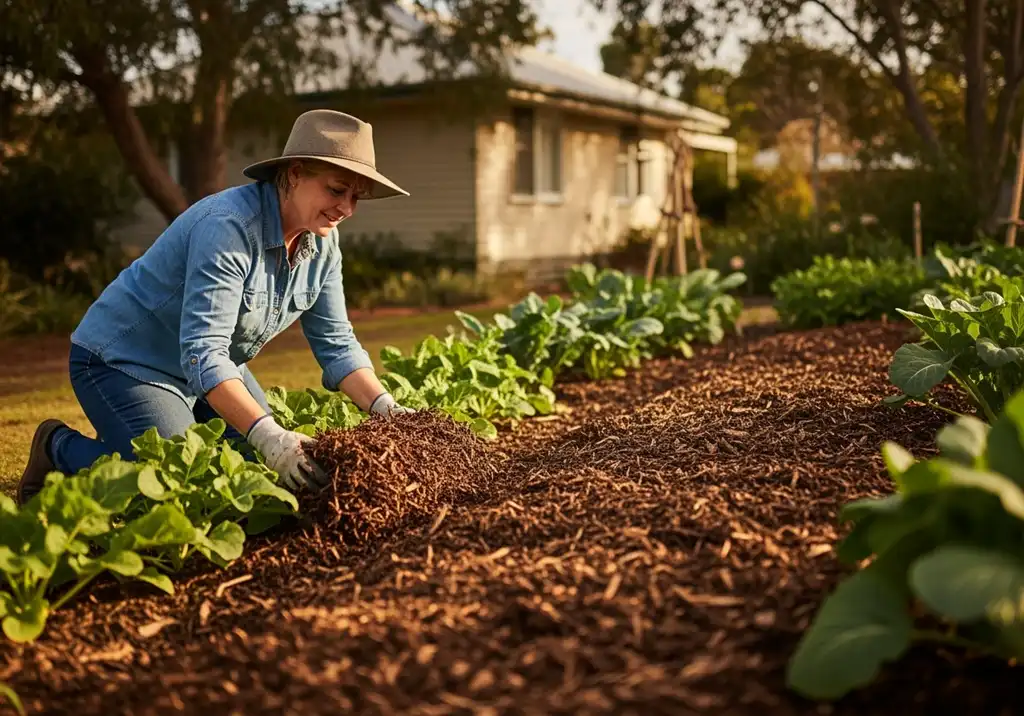
Perth’s sandy soils and dry summer heat make bare garden beds one of the most challenging growing environments in Australia. Without protection, soil loses moisture within hours of watering, heats up to damaging temperatures, and becomes a perfect seedbed for weeds. This is why mulch ground cover Perth gardeners rely on is not a finishing touch but a working tool that fundamentally changes how garden beds perform through WA’s toughest conditions.
Applied correctly as ground cover, organic mulch holds moisture in the root zone, suppresses weed germination, moderates extreme soil temperatures, and feeds the soil as it breaks down. For WA gardeners dealing with water restrictions and nutrient-poor sand, one or two mulch applications per year can transform a stressed, thirsty garden bed into a low-maintenance, productive growing space.
This guide covers exactly how to use mulch as ground cover in Perth garden beds, from choosing the right product to applying it at the correct depth and timing each application to Perth’s seasons.
Why Mulch as Ground Cover Works So Well in Perth
The Swan Coastal Plain where most Perth gardeners live is built on deep, free-draining sand. These soils have almost no organic matter naturally. They lose moisture quickly, heat up rapidly in summer, and provide very little nutritional support to plant roots. Without a protective surface layer, garden beds in Perth face three compounding problems: moisture evaporation, extreme soil temperature, and constant weed pressure.
Organic ground cover mulch Perth gardeners apply addresses all three simultaneously. It acts as a physical barrier between the soil and the sun, keeping the surface layer cooler and slowing moisture loss through the hottest months. It blocks light from reaching weed seeds at the soil surface, preventing germination without herbicides. And as it breaks down, it feeds the soil biology that sandy WA soils desperately need.
The Soil and Climate Problem Mulch Solves
Sandy soils drain under gravity, carrying dissolved nutrients away from plant roots with every watering. This is why Perth gardens often look nutrient-deficient even after regular fertilising. The sandy particles cannot hold nutrients at the surface the way clay-heavy soils can. Bare soil compounds this problem by heating up rapidly, which kills the beneficial soil microbes that help plants access what little nutrition is available.
A consistent layer of garden bed ground cover WA conditions suit is the most practical solution available to Perth gardeners. It does not require expensive products or complicated techniques. It just requires the right product, applied at the right depth, and refreshed before it breaks down completely.
What Ground Cover Mulch Does Below the Surface
The surface protection mulch provides is visible immediately. What happens beneath the surface over time is equally important. As organic mulch decomposes, it adds humus to the sandy soil profile. Humus holds water and nutrients in a form plant roots can actually access. It also feeds earthworms, bacteria, and other beneficial soil organisms that improve drainage, aerate the soil, and convert organic matter into plant-available nutrients.
Over time, regularly mulched Perth garden beds develop a darker, more crumbly topsoil layer that behaves like a genuinely productive growing medium rather than the nutritionally empty sand it started as. That transformation is the long-term return on every mulch ground cover Perth gardeners invest in.
Choosing the Right Mulch as Ground Cover for Perth Garden Beds
Not all mulches perform equally as ground cover in Perth’s conditions. The best choice depends on what you are growing, what your soil needs most, and how often you want to reapply. Nutrient content, decomposition rate, particle size, and pH all affect how a mulch performs as surface cover over a full WA season.
The key question for Perth gardeners choosing organic ground cover Perth garden beds need is whether the mulch should feed the soil actively as it breaks down, or simply protect it. For productive gardens with heavy-feeding crops or roses, a nutrient-contributing mulch delivers the most value. For low-maintenance native or ornamental beds, a slower-decomposing, lower-nutrient option is more appropriate.
DSATCO Lupin Mulch as Ground Cover
DSATCO Lupin Mulch is made from 100% organically sourced WA lupin plant material with the addition of chicken manure. It is pasteurised to ensure it is weed, seed, and disease free before use. As a ground cover mulch, it does double duty: protecting the soil surface while simultaneously releasing nitrogen and organic matter as it breaks down.
This makes it the top choice for vegetable gardens, rose beds, and any garden bed where heavy-feeding plants need consistent nutrition. The lupin plant material holds moisture well, suppresses weed germination effectively, and builds humus in Perth’s sandy soil faster than carbon-rich wood-based mulches.
Apply at 40-50mm depth as ground cover across established garden beds. Leave at least 100mm clear of all plant stems and trunks. Water thoroughly after application to activate microbial activity in the soil.
DSATCO Triple-C Mulch as Ground Cover
DSATCO Triple-C Mulch is a composted blend of cereal crops, chicken manure, and canola with a pH of 6.5. It is composted to ensure it is weed, seed, and disease free. As a ground cover option, it provides excellent longevity, good weed suppression, and balanced nutrient release across most garden bed types.
Its slightly acidic pH helps balance WA soils that trend alkaline. The composted structure means nutrients are available to soil microbes immediately after application. It can keep soil 5-10 degrees cooler, which makes it an effective protective ground cover through Perth’s hottest months.
Apply at 50-75mm depth for general garden beds. Triple-C works well as a ground cover mulch garden beds Perth WA with ornamental plantings, established shrubs, and any area where a consistent, long-lasting surface layer is the priority.
DSATCO Sugar Cane Mulch as Ground Cover
DSATCO Sugar Cane Mulch is grown and produced in Wongan Hills, WA. It is shredded to a fine, light consistency that makes it easy to spread evenly as ground cover across vegetable beds and any garden area where you replant frequently through the season.
It builds soil carbon as it breaks down and supports microbial activity. The fine texture allows water to penetrate easily, which suits garden beds with automatic irrigation. For a first application as ground cover, apply at 50-75mm depth. For replenishment, 30-40mm is sufficient. Water lightly after spreading to settle the material and reduce wind displacement.
How to Prepare Garden Beds Before Applying Mulch Ground Cover
Good preparation is what separates ground cover mulch that performs well from mulch that disappoints. Taking time before application to deal with weeds, hydrate the soil, and improve the soil profile pays dividends for the entire growing season.
Clearing Weeds and Watering the Bed First
Remove all existing weeds before applying any ground cover mulch WA beds need. Pull weeds by hand or hoe them off at soil level. For persistent perennials like couch grass or oxalis, dig out the root systems completely. Mulch suppresses new weed seeds from germinating but will not kill established plants with intact root systems.
Water the garden bed deeply before mulching. Organic ground cover Perth gardeners apply works by retaining whatever moisture is in the soil when it is applied. Mulching dry soil locks in dryness rather than moisture. Soak the bed thoroughly before spreading mulch so the root zone starts moist and stays moist under the protective layer.
Adding DSATCO Piggypost as a Soil Base Layer
For very poor sandy soil, new garden beds, or any area that has never been mulched before, applying DSATCO Piggypost as a base layer before mulching gives the soil an immediate boost in organic matter and living microbial content.
Piggypost is a mature compost produced from pig manure through a 12-18 month composting process. It is approximately 70% humus and contains living microbes. Apply it at the recommended ratio of 2 parts soil to 1 part Piggypost, work it lightly into the top soil layer, water it in, then apply your chosen ground cover mulch on top. The mulch layer protects the Piggypost from drying out and extends the period of microbial activity in the soil below.
Step-by-Step Guide to Applying Mulch as Ground Cover
Once preparation is complete, applying mulch as ground cover is straightforward. The process is the same regardless of which DSATCO product you choose — the depth and spacing rules apply across all types.
Calculating Coverage and Spreading Evenly
Measure your garden bed in square metres. For a 50mm layer of mulch, you need approximately 0.05 cubic metres per square metre of bed space. A 10 square metre garden bed needs 0.5 cubic metres for a 50mm layer. Add 10-15% to account for settling.
Tip mulch out in small piles distributed across the bed, then use a rake or your hands to spread it evenly to the target depth. Avoid creating uneven distribution where some patches are thick and others thin. Consistent depth is what delivers consistent weed suppression and moisture retention.
Depth, Stem Clearance, and Settling the Mulch In
For most Perth garden beds, apply organic ground cover mulch at 40-75mm depth depending on the product. Finer-textured mulches like Lupin Mulch and Sugar Cane Mulch work at 40-50mm. Denser composted options like Triple-C benefit from 50-75mm for full weed suppression.
The most important rule in application: keep mulch at least 50mm clear of every plant stem, and at least 100mm clear of tree trunks. Mulch in contact with stems or bark traps moisture against the tissue, creating conditions for collar rot, fungal disease, and pest activity.
Water the mulch lightly after spreading to settle it into position. This prevents lighter materials from blowing around in Perth’s summer easterly winds and encourages the ground cover to bond with the soil surface.
Best Timing for Mulch Ground Cover in Perth Gardens
Perth’s Mediterranean climate creates two natural mulching windows that align with when garden beds are most vulnerable to moisture loss and temperature stress. Using the right ground cover mulch WA seasons demand at the right time means your garden has maximum protection when it matters most. Timing applications correctly is how Perth gardeners get the most value from each mulch application.
Pre-Summer Mulching in October and November
The most important ground cover mulch WA gardeners can apply goes down in October or early November, just before the first serious heat of the WA summer arrives. This window locks in moisture from the last of the winter rains before it evaporates and protects garden beds through the hottest months.
Vegetable gardens, rose beds, citrus trees, and any newly planted garden beds should be mulched before November. A fresh layer of organic ground cover Perth summer heat demands gives plants the stable, cool, moist root zone they need to stay productive rather than heat-stressed through December, January, and February.
Autumn Application Before Winter Rains
A second application of mulch ground cover Perth garden beds benefit from goes down in April or May, after summer crops finish and before winter rains arrive. This timing insulates plant roots from cooler nights, suppresses the winter flush of weed germination, and gives organic mulch time to begin breaking down into the soil before the spring growing season begins.
Autumn mulching is particularly important for vegetable beds being planted with cool-season crops. The fresh ground cover layer creates a stable, weed-suppressed environment for broccoli, broad beans, peas, and leafy greens through the cooler months.
How Mulch Ground Cover Improves Soil Health Over Time
The immediate benefits of mulch ground cover Perth garden beds receive are visible within weeks. The longer-term soil improvement that comes from consistent mulching is what makes it the highest-return gardening practice available to WA gardeners.
Building Organic Matter in Perth Sandy Soils
Every time organic mulch breaks down into the soil, it adds humus to the profile. Humus holds water and nutrients in place rather than letting them drain away. Sandy Perth soils naturally contain very little organic matter. Consistent mulching over multiple seasons builds that organic matter layer by layer, season by season.
After two or three years of regular mulch ground cover garden beds in Perth receive, the soil beneath starts to behave differently. It stays moist longer after watering. It holds fertiliser in the root zone rather than letting it leach away. And it supports a thriving community of earthworms and beneficial microbes that improve soil structure naturally. Perth garden bed mulch applied consistently is the single most practical long-term soil investment a WA gardener can make.
Mulch, Water Efficiency, and Perth Water Restrictions
DSATCO produces its organic mulch range from 100% WA-grown and sourced materials, designed specifically for Perth’s soils and Mediterranean climate. Applying their products as a consistent ground cover layer is one of the most effective ways to stretch every litre of water your garden receives.
A well-applied organic ground cover Perth garden beds carry through summer helps prevent the hydrophobic soil patches that are common in Perth’s sandy gardens after long dry spells. Hydrophobic soil repels water instead of absorbing it. Mulch keeps the surface cooler and more stable, reducing the conditions that cause hydrophobicity to develop.
Under Perth water restrictions, a well-mulched bed needs significantly less frequent irrigation than a bare bed. The mulch layer slows evaporation from the soil surface, holding water in the root zone where plants can access it between watering days.
Common Ground Cover Mulching Mistakes to Avoid
Most mulching failures in Perth gardens come from a small number of consistent errors. Understanding what not to do is as important as knowing which product to use.
Depth and Stem Contact Errors
Applying mulch too thinly is the most common mistake. A 20mm layer looks tidy but dries out within days in Perth’s summer heat, provides almost no weed suppression, and needs constant reapplication. Apply at the full recommended depth from the start to avoid this ongoing cost.
Mulching too close to plant stems is the second most common error. Mulch against stems traps moisture against bark and creates ideal conditions for collar rot and fungal stem disease. Maintain a visible clear gap around every plant base in the bed, regardless of mulch type.
Dry Soil and Infrequent Top-Up Errors
Mulching over dry soil is a mistake that undoes the effort of the entire application. Mulch holds in whatever moisture is present at the time of application. Starting with dry soil means your plants stay dry under the mulch until rain or irrigation penetrates. Always water deeply the day before any mulch application.
Failing to top up regularly is the other major error. Check mulch depth every three months. When coverage thins below 40mm, the protective benefits are largely lost. Top up before the layer disappears entirely rather than waiting until it is completely gone. You do not need to remove old mulch — simply apply fresh material on top.
Conclusion
Mulch as ground cover in Perth garden beds delivers more practical value per application than almost any other gardening intervention. It solves the three biggest challenges Perth sandy soils create: moisture loss, temperature instability, and weed pressure. Applied at the right depth, refreshed regularly, and chosen to match what you are growing, it transforms stressed garden beds into consistently productive growing spaces.
The best mulch ground cover garden beds Perth WA gardeners maintain is applied consistently, season after season. Each application builds on the last, improving garden bed ground cover WA soil structure deeper into the profile. Perth garden bed mulch applied correctly before summer and refreshed before winter is one of the most cost-effective investments you can make in your garden’s long-term health.
DSATCO Lupin Mulch suits nutrient-hungry garden beds. DSATCO Triple-C suits general ornamental and established beds. DSATCO Sugar Cane Mulch suits vegetable gardens and frequent replanting. Apply at 40-75mm depth, keep it clear of stems, mulch before summer, and top up before winter. Over time, your sandy Perth soil becomes darker, richer, and far more capable of supporting the garden you want.
Order online or find your nearest stockist by calling 08 9671 1500, or browse the full DSATCO product range to find the right ground cover mulch for your Perth garden beds.
Latest Posts
- How to Stage Bulk Bags For Soil Improvers Versus Lawn And Mulch
- How to Size Multi-Bed Garden Orders From Bulk Bag Coverage
- Coordinating Metro Stockists Sourcing and Bulk Transport for Large Projects
Reviews from
Happy Gardeners
 "Results have been spectacular. The grass has never looked healthier."
Rod


