

 Buy Online
 08 9671 1500
 office@dsatco.com
Why a Nitrogen-Rich Mulch Like Triple-C Benefits Both Soil and Plants
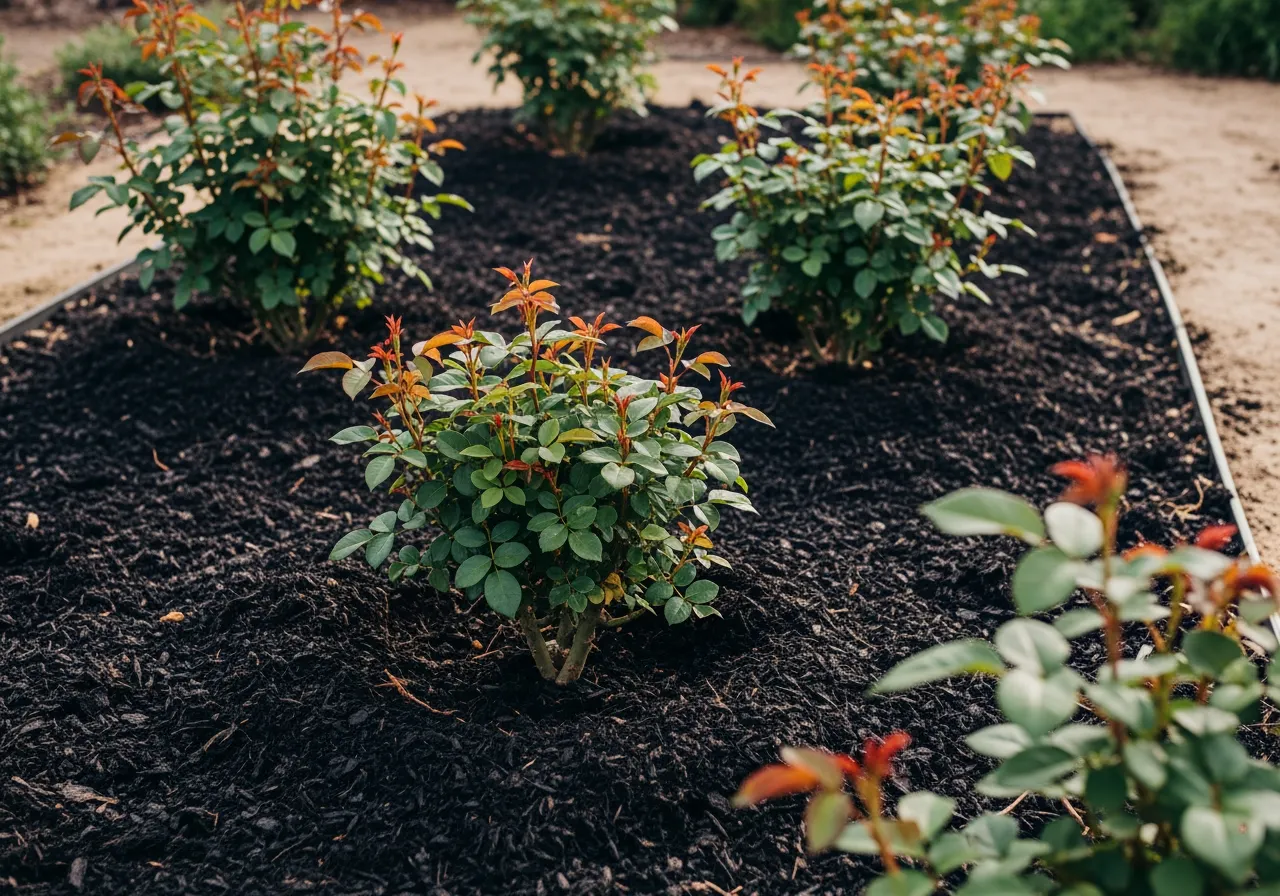
Perth’s sandy soils are notoriously low in organic matter. They drain fast, heat up quickly, and struggle to hold the nutrients plants need to grow well. When soil is thin and lacking in natural fertility, plants cannot find the fuel required to produce healthy growth. Even with regular watering and occasional synthetic fertilising, WA gardeners often watch their plants stall, yellow, or simply underperform.
Understanding what makes a great organic mulch perth gardeners can rely on starts with one word: nitrogen. Not all mulches deliver it. Many products are almost entirely carbon-based, providing coverage but actively working against your soil’s nitrogen balance. This is a particularly serious problem in WA, where sandy, free-draining soils have little natural organic matter to buffer the loss.
For any Perth gardener trying to build a genuinely productive garden, this is the core question: which mulch actually feeds your soil rather than just sitting on top of it? The answer lies in how nitrogen behaves in WA soils, why composted organic matter outperforms raw alternatives, and what a nitrogen-rich product does for plant health over multiple seasons.
This article explains how a nitrogen-rich mulch works, why composting makes all the difference, and what to expect when you give WA’s sandy soil the organic input it genuinely needs.
What Makes a Mulch Nitrogen-Rich
Not all mulches are created equal. Some products are almost entirely carbon-based. Others contain organic nitrogen in forms that plants and soil microbes can actually use.
Carbon vs Nitrogen in Garden Mulch
Products like pine bark or plain wood chip are very high in carbon. They provide surface coverage and break down slowly, but they do little to feed the garden. In fact, high-carbon mulches can temporarily reduce soil nitrogen as microbes consume it during the decomposition process. This is called nitrogen drawdown, and it is one of the most common hidden causes of poor plant performance in garden mulch perth wa conditions.
A garden mulch perth wa gardeners benefit from most is one where carbon and nitrogen are properly balanced. This balance is achieved through composting, a process that allows microbial decomposition to run its full course. It consumes the easy carbon first and leaves stable, nutrient-rich material behind.
How Composting Transforms Raw Materials
Composting transforms raw organic materials into stable humus by allowing microbial decomposition to complete fully. The intense internal heat generated during this process kills weed seeds and pathogens. This makes the finished product safe for use around sensitive plants including food crops.
A fully composted nitrogen-rich mulch reaches your garden ready to work immediately. It does not rob your soil’s existing nitrogen reserves when applied. Triple-C Mulch is composted to this standard before it leaves the facility, ensuring every bag delivers immediate benefit rather than adding a burden to the soil.
How Nitrogen Feeds Both Plants and Soil Microbes
Nitrogen is the nutrient most responsible for healthy plant growth. But its role in the garden goes well beyond feeding the plants you can see above the soil surface.
Nitrogen and Leafy Growth
Nitrogen drives leafy development and supports chlorophyll production. Chlorophyll is the compound that makes leaves green and allows plants to capture sunlight and convert it into energy. Without sufficient nitrogen, plants grow slowly, leaves turn pale yellow, and overall yield drops.
For vegetables like spinach, silverbeet, and broccoli, a steady nitrogen supply is critical. This is especially true for anyone seeking the best mulch for vegetable garden australia conditions can throw at a home plot. A steady, slow-release nitrogen source is what separates a productive bed from a struggling one.
For Perth gardens with depleted, nutrient-poor soil that needs deep biological rebuilding, digging in DSATCO Piggypost before mulching gives the soil a comprehensive biological boost. Piggypost is a mature, humus-rich compost loaded with living microbes. Used beneath a layer of Triple-C, it delivers a layered approach to improving soil health WA gardeners can build on season after season.
Feeding the Microbial Delivery System
Nitrogen does not just feed the plants you can see. It feeds the bacteria and fungi living in the soil. These organisms make nutrients available to plant roots. They break down organic matter, release minerals in plant-available forms, and produce the biological compounds that improve soil structure over time.
When soil microbes are well-fed and active, organic mulch perth soils respond in ways synthetic fertilisers simply cannot replicate. The biology becomes self-reinforcing. All products are grown and processed from locally sourced WA materials, ensuring the organic nitrogen in every bag comes from WA farm waste streams rather than synthetic chemistry.
How Nitrogen-Rich Mulch Improves Sandy WA Soils
The Swan Coastal Plain is almost pure sand. Any liquid fertiliser you apply often washes straight through before roots can absorb it. A quality organic mulch perth gardeners apply acts fundamentally differently.
Creating an Organic Sponge in the Topsoil
When you apply a quality nitrogen-rich composted mulch, you add the organic matter sandy soil is missing. As the mulch breaks down, it creates stable humus. Humus holds nutrients like a magnet, preventing them from leaching away during winter rains or heavy watering.
This is the transformation that makes the biggest long-term difference in any Perth garden, and it happens cumulatively. DSATCO is a Western Australian company that produces premium organic mulch and garden products, grown and sourced 100% from WA farms. Each season’s application builds on the last, making the best mulch for perth gardens not just a product choice but a long-term soil investment.
Over multiple seasons, the humus content of your topsoil rises noticeably. Water retention improves. Nutrients stay where roots can find them. Plant performance lifts without needing more fertiliser or more water. Triple-C pays for itself many times over through reduced inputs and progressively better garden results.
Protecting WA Waterways
By holding nutrients within the soil profile, nitrogen-rich composted mulch also reduces the amount of fertiliser that leaches into groundwater and eventually into waterways like the Swan River. This matters to WA gardeners who care about both their garden outcomes and their environmental footprint.
Finding bulk mulch perth gardeners can trust means looking for products that are composted, locally sourced, and proven in WA conditions. An organic mulch perth produces locally adds another layer of sustainability to the equation: less transport, less synthetic chemistry, and more return to the WA farming cycle it came from.
The Role of Nitrogen in Plant Colour and Flowering
Nitrogen is the engine behind all green growth in the garden. It shapes leaf colour, supports energy production, and plays a role in the early stages of flowering and fruiting.
Greener Leaves, Stronger Plants
Plants with good nitrogen access produce deeper, richer green leaves. This is a direct indicator that chlorophyll levels are high and the plant is photosynthesising efficiently. For gardeners who take pride in lush, healthy foliage, whether a border of ornamental grasses, a hedge of native shrubs, or a row of salad greens, the best mulch for perth gardens is one that releases nitrogen slowly and reliably over months.
DSATCO Lupin Mulch is another excellent nitrogen-rich composted mulch option, particularly well suited to roses, citrus, and vegetable gardens that demand high nitrogen levels. It contains a rich supply of organic nitrogen from WA lupin plant material combined with composted chicken manure. This makes it a strong performer for heavy-feeding applications and beds that need maximum nitrogen delivery.
Flowering, Fruiting, and Yield
Nitrogen availability in the early stages of flowering determines how well a plant can support blooms and developing fruit. For citrus trees in the Perth hills struggling on thin, sandy soils, or for rose gardens pushing for repeat flowering through summer, consistent nitrogen delivery from an organic mulch perth sources locally makes a tangible difference.
The composted form provides a buffered, gradual nitrogen release. It is far harder to over-apply than synthetic products, and it builds the soil biology that keeps fruiting plants producing season after season.
How Triple-C Mulch Builds Long-Term Soil Biology
Healthy soil is a living system. Every handful of productive soil contains billions of bacteria, fungi, protozoa, and other micro-organisms. These organisms cycle nutrients, suppress soil-borne disease, and help plant roots access water more efficiently.
Fostering Beneficial Fungi and Earthworms
Beneficial fungi form partnerships with plant roots, dramatically extending their ability to find water and nutrients in the soil. A mulched garden bed creates the cool, moist conditions these fungi need to establish and thrive.
Earthworms are also drawn to the food source that composted mulch provides. As they move between the mulch layer and the sandy soil beneath, they create channels that allow air and water to penetrate deeper into the root zone. For those who prefer to shop at a major retailer for convenience, DSATCO Lawn Maximizer is a purpose-built organic top-dress fertiliser for WA lawns. Combined with Triple-C across garden beds, it creates a comprehensive nitrogen release system suited to the whole property.
The Self-Sustaining Soil Cycle
When nitrogen-rich organic matter is applied consistently, the soil biology it supports feeds back into soil quality. Microbes decompose the mulch, releasing nitrogen and building humus. Humus holds moisture. Moisture supports more microbial activity.
Using Vivantes Triple-C Mulch is a convenient option for those shopping at Bunnings, which carries the same composted cereal crop, chicken manure, and canola formula as the DSATCO range. Each season’s application builds on the last, improving soil health WA properties can achieve through regular organic input rather than wholesale soil replacement.
When and How to Apply Nitrogen-Rich Mulch in WA
Timing and technique determine how much benefit you get from each application.
Spring and Autumn Applications
The best time to mulch in Perth is late September to early October, just before the first serious heat event. This application locks in soil moisture and provides the nitrogen boost plants need heading into the growing season.
The second-best window is April to May, before winter rains begin. This feeds the soil biology that stays active through winter and prevents nutrient leaching during heavy rainfall. Spread mulch at 50 to 75mm depth across all garden beds. Always water the soil thoroughly before spreading. Applying mulch over dry sand can lock moisture out rather than in. Keep mulch back 50 to 100mm from all plant stems to prevent collar rot.
Pairing Triple-C with a Lightweight Mulch for Veggie Beds
For anyone seeking the best mulch for vegetable garden australia conditions require, pairing products across seasons makes a real difference. A lighter mulch is often more practical between major composted applications for vegetable gardens or annual beds that change seasonally.
DSATCO Sugar Cane Mulch is a lightweight, fast-breaking option that suits short-cycle crops well. Used in rotation with Triple-C across the same beds over consecutive seasons, it keeps nutrients cycling and maintains the soil biology Perth gardens benefit from year-round. For bulk mulch perth applications across larger properties, combining both products across different bed types gives you coverage, nitrogen release, and biology support all season long.
You can explore the full DSATCO product range online to compare bag sizes, bulk bag options, and find the right combination for your garden scale and soil type. Piggypost works well as a pre-mulch dig-in across both vegetable and ornamental beds, giving the soil a biological head start before Triple-C or Sugar Cane Mulch is applied on top.
Conclusion
A nitrogen-rich composted mulch like Triple-C does far more than cover bare soil. It transforms your garden into a self-sustaining system where the soil feeds the plants and the plants feed the soil. For Perth’s sandy, nutrient-poor growing conditions, this is not a nice-to-have. It is the foundation of a healthy, productive garden that gets easier to manage every year.
Whether you are rebuilding depleted soil with Piggypost beneath a nitrogen-rich mulch layer, or maintaining productive beds as the best mulch for perth gardens season after season, the composted organic approach pays for itself in every harvest, every bloom, and every season of reduced maintenance. For garden mulch perth wa gardeners ready to see real results, the right product is already available.
Give your soil the foundation it needs. Shop online or contact the team on 08 9671 1500 to find the right product for your beds.
Latest Posts
- How Finely Textured Sugar Cane Straw Aids Moisture Retentiveness
- When to Apply Sugar Cane Mulch to Sensitive Backyard Garden Borders
- Using Lawn Maximiser as an Organic Top Dress for Perth Domestic Turf
Reviews from
Happy Gardeners
 "Results have been spectacular. The grass has never looked healthier."
Rod


