

 Buy Online
 08 9671 1500
 office@dsatco.com
How Organic Mulching Supports Sustainable Gardening Practices in WA
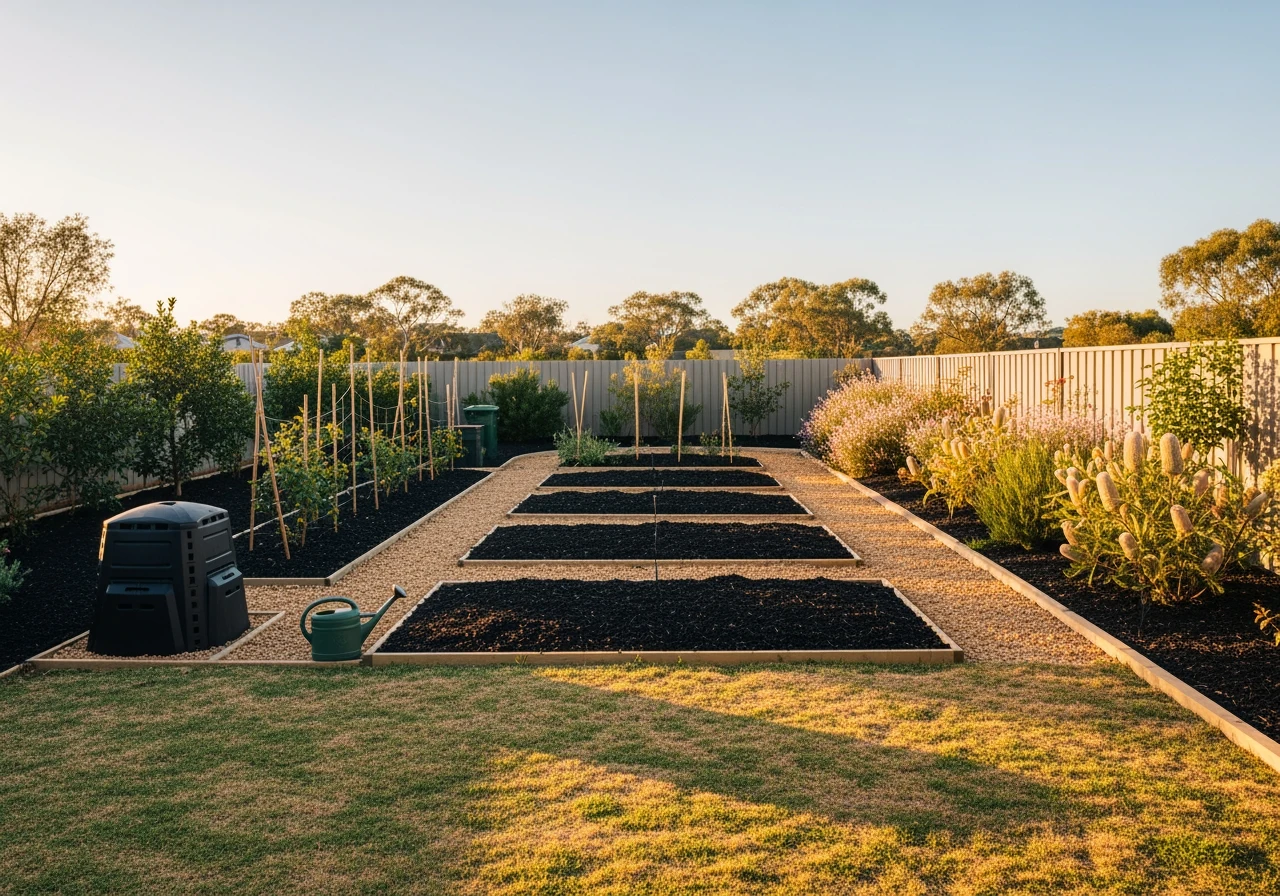
Autumn in Perth is the gardening crossroads. Summer’s damage is visible. Beds dried out, plants struggled, and soils baked hard. The question is what to do before the next summer arrives in October.
Perth’s sandy soils, long dry summers, and persistent water restrictions make synthetic-input gardening genuinely unsustainable. These approaches require constant external inputs to maintain basic function. They deplete the soil rather than improving it, and cost more in water, products, and time with every passing season.
Organic mulch Perth gardeners use most effectively is not simply a surface layer. It is a long-term soil management tool that works with WA’s conditions rather than against them.
Organic mulching breaks this pattern. Applied at the right depth and at the right times of year, it feeds the soil and conserves moisture. It suppresses weeds without chemicals and builds long-term fertility. Garden mulch Perth WA gardeners choose should be sourced locally, pasteurised, and suited to the Sandy Coastal Plain’s soil profile. Gardens managed organically become progressively easier to maintain.
This guide covers why sustainable gardening in WA starts with organic mulching and how to approach it for maximum benefit. It also explains why the autumn window is the best time to act.
Why Sustainable Gardening Starts with the Soil in WA
How Perth’s Conditions Make Organic Mulching Essential
Sustainable gardening WA conditions demand is not a philosophical position. It is a practical response to a climate that punishes bare soil and rewards soil biology.
Perth’s Sandy Coastal Plain soils hold almost no organic matter naturally. They drain fast, dry out quickly after rain, and need consistent inputs to maintain any level of fertility. WA’s Mediterranean climate delivers rain in winter and essentially nothing from November to April. Water restrictions limit scheme water use for most of the year.
These are not challenges that synthetic management solves permanently. They are challenges that organic mulching practices address directly, season after season. Choosing the right organic mulch for Perth gardens means understanding which products suit WA’s sandy soils and dry conditions. The best organic mulch Perth gardeners can apply is locally sourced and pasteurised. It should suit the Swan Coastal Plain’s sandy soil profile.
The Problem with Synthetic Inputs in WA Gardens
Chemical fertilisers feed plants. Organic mulches feed the soil, which then feeds the plants. That distinction matters enormously for long-term garden health.
Synthetic fertilisers provide a quick nutrient hit but leave the soil structure unchanged. Each season, you need to apply them again because nothing has improved in the soil itself. The soil cannot hold nutrients, moisture, or microbial life any better than it did the year before.
Organic mulching works differently. Each application improves the soil’s ability to support the next application. Organic matter accumulates. Microbial populations grow. Water retention rises. The garden becomes more self-sufficient.
DSATCO Lupin Mulch feeds the soil as it breaks down, improving organic matter content and supporting microbial activity. Applied before Perth’s summer heat arrives, it reduces watering frequency and supports stronger plant growth through the dry months.
How Organic Mulch Builds Healthy Soil Over Time
Feeding Soil Biology Without Synthetic Chemicals
The biological activity in a well-mulched Perth garden soil is the engine of sustainable fertility. Bacteria break down organic matter and release nutrients. Fungi create soil structure that holds water and supports root access to deep moisture. Earthworms aerate the soil and deposit rich castings throughout the root zone.
The chemical-free garden WA gardeners committed to sustainable practice want requires this biological foundation. Without active soil biology, organic mulches break down more slowly and deliver less nutrition to plants.
DSATCO Piggypost applied before planting introduces the humus and living microbes that kickstart biological activity in soils that lack it. It is the most direct way to establish the soil food web that organic mulching then sustains over time. It is made from composted pig manure with 70% humus content. The composting process takes 12 to 18 months.
How Organic Matter Transforms Sandy Perth Soils
Perth’s sandy soils respond visibly to consistent organic mulching. The first change is colour. The pale grey of Bassendean sand gradually darkens as organic matter accumulates. The second is texture. The dry, gritty soil that dries out within hours of rain becomes progressively more cohesive and moisture-retentive. The third is biology. Earthworms appear, soil becomes crumbly when you dig, and the rich smell of healthy soil develops.
DSATCO Triple-C Mulch is a composted cereal crop blend suited to general garden beds, native plantings, and large-area coverage. Its dark colour and composted consistency integrates naturally into Perth’s sandy soils. It adds stable organic matter that holds both water and nutrients in the root zone for weeks rather than hours.
DSATCO is a Western Australian company producing premium organic mulch and garden products. All products are grown and sourced 100% from WA farms. They are built specifically for eco-friendly landscaping across Perth and regional WA gardens.
Water Conservation Through Organic Mulching
How Mulch Reduces Evaporation and Watering Frequency
Water conservation is not optional for WA gardeners. Perth’s water restrictions, the declining rainfall trend, and the cost of scheme water make every litre saved meaningful. Organic mulch Perth gardeners apply in summer is one of the most effective actions for reducing water consumption.
A properly applied layer of organic mulch at 40 to 50mm depth dramatically slows surface evaporation from garden beds. The mulch layer absorbs solar radiation that would otherwise heat the soil surface and drive moisture evaporation. It also creates a physical barrier that slows water vapour movement from the soil surface into the dry air above.
For vegetable gardens where consistent moisture matters most, DSATCO Sugar Cane Mulch keeps moisture levels stable between watering sessions. Tomatoes, beans, and leafy greens perform better when their root zone stays consistently moist.
Deeper Root Systems and Drought Resilience
Consistent moisture under an organic mulch layer does more than reduce watering frequency. It shapes root system development in a way that builds genuine drought resilience.
Roots follow moisture. In bare, rapidly drying soil, roots stay shallow. Moisture disappears from the deeper soil profile before roots have reason to follow it. In mulched soil with stable moisture levels, roots develop deeper and more extensively. They access water from further down the soil profile during Perth’s dry months.
DSATCO Lawn Maximizer applies the same sustainable soil principle to lawn areas. As an organic topdressing for kikuyu, couch, and buffalo turf, it builds organic matter and microbial activity beneath the grass. This supports deeper root systems and better drought tolerance through Perth’s summer water restriction periods.
Chemical-Free Weed Control and Its Environmental Benefits
How Organic Mulch Suppresses Weeds Without Herbicides
Weeds are a persistent challenge in Perth gardens, and the conventional response is herbicide application. This carries environmental costs that compound with every use. Chemical herbicides harm beneficial insects, affect soil biology, and contribute to chemical runoff into stormwater.
Organic mulching practices offer a chemical-free alternative that is genuinely effective for most annual weed situations. A consistently maintained mulch layer suppresses annual weeds by blocking the light that triggers seed germination. Most annual weed seeds on a mulched bed either fail to germinate or exhaust their energy trying to reach light. The few that do emerge pull easily from the moist soil below.
The benefits of mulch for weed control compound over time. For gardens transitioning to a chemical-free approach, clear existing weeds before applying mulch, then maintain the layer consistently. Each topping-up application resets the weed suppression effect and adds another dose of organic matter to the soil. After two or three seasons, weed seed banks in the soil deplete significantly and weed pressure drops.
The right garden mulch Perth WA gardeners use needs to be maintained at the right depth. Mulch for a garden bed to be effective against weeds needs a minimum depth of 40 to 50mm maintained consistently. Mulch for garden bed coverage that falls below this depth loses most of its weed suppression effectiveness.
The full DSATCO product range is available online. Bulk bag options suit home gardeners who want to mulch comprehensively across all beds at once.
Supporting Beneficial Insects and Garden Biodiversity
Chemical-free garden management supports the biodiversity that healthy gardens depend on. Beneficial insects including parasitic wasps, lacewings, and ground beetles need habitat, and mulched garden beds provide it. Mulch retains moisture, stays cool, and creates the sheltered microenvironments that beneficial insects use for sheltering and breeding.
Vivantes Lupin Mulch available through Bunnings stores across Perth applies the same eco-friendly landscaping principles. For gardeners sourcing through Bunnings, it delivers the same WA-grown organic material and soil biology benefits. It is available through local retail channels across Perth.
The Carbon and Climate Benefits of Organic Mulching
How Organic Mulching Stores Carbon in WA Soils
Sustainable gardening WA at its most environmentally aware includes contributing to carbon sequestration. This is the process of removing carbon from the atmosphere and storing it in stable soil organic matter. Every layer of organic mulch that decomposes into humus stores carbon in the soil for years or decades. This is what sustainable gardening WA can actively contribute to at the garden level.
When microbes process organic mulch, they convert some of the carbon in that organic material into stable compounds. These include glomalin, humic acids, and complex organic polymers that resist further decomposition. This stable carbon accumulates in the soil rather than being released as CO2. The more organic matter you add through mulching, the more of this stable carbon accumulates.
Environmental conservation Perth gardeners practise by choosing organic over synthetic also includes the avoided emissions from synthetic fertiliser manufacture. The production of synthetic nitrogen fertiliser is energy-intensive and generates significant greenhouse gas emissions. Replacing synthetic fertiliser with organic mulch reduces the demand for this manufacturing and the associated emissions.
Supporting WA’s Circular Agricultural Economy
Locally sourced organic mulch does more than benefit your garden. Lupin stubble from WA’s wheatbelt is a crop residue that would otherwise be burned or ploughed in. Choosing organic mulch made from this material participates in a circular economy where agricultural waste becomes a soil-building resource. Carbon stays in the ground and nutrients cycle back into productive use rather than entering the waste stream.
Conclusion
Organic mulching is not one tool among many for WA gardeners committed to sustainable practice. It is the foundation the whole system rests on. It feeds the soil, conserves water, suppresses weeds without chemicals, and builds long-term fertility with every application.
The benefits of mulch compound across seasons. The mulch for garden beds applied this autumn will still be improving your soil next summer. Choosing the right mulch for garden bed applications in WA means choosing products built for Perth’s conditions.
Every bag you buy supports WA farming and healthier gardens. Browse the range online or get in touch with the team on 08 9671 1500.
Latest Posts
- How Finely Textured Sugar Cane Straw Aids Moisture Retentiveness
- When to Apply Sugar Cane Mulch to Sensitive Backyard Garden Borders
- Using Lawn Maximiser as an Organic Top Dress for Perth Domestic Turf
Reviews from
Happy Gardeners
 "Results have been spectacular. The grass has never looked healthier."
Rod


