


 Buy Online
 08 9671 1500
 office@dsatco.com
How Mulch Helps With Soil Erosion Control in WA Gardens
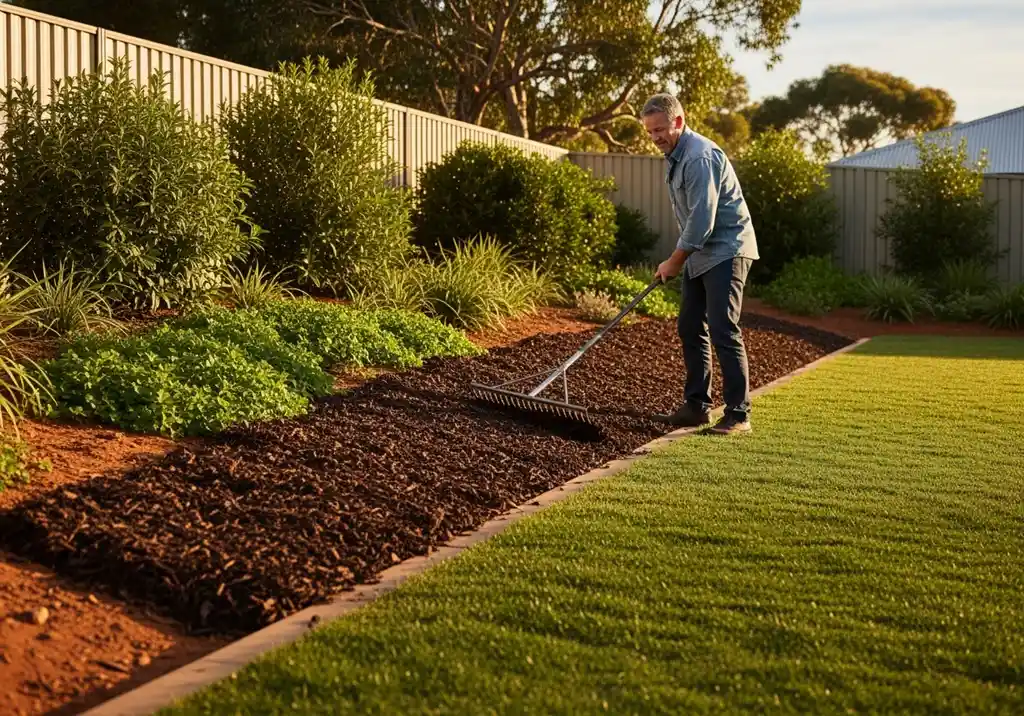
Perth’s sandy soils erode faster than most WA gardeners realise. When winter storms deliver concentrated rainfall or summer easterly winds sweep across the Swan Coastal Plain, unprotected topsoil disappears, taking nutrients, organic matter, and months of soil-building effort with it. What remains is coarser, less productive sand that grows poorer plants, holds less water, and creates more work every season.
Mulch erosion control Perth gardens rely on is the most practical tool available for stopping this loss. Applied correctly, organic mulch anchors soil, slows water runoff, blocks wind at ground level, and rebuilds the organic structure that holds sandy WA soil together. This is not about covering bare soil for aesthetic reasons. It is about keeping your garden’s productive foundation intact through the conditions that WA’s climate consistently delivers.
If you have watched soil wash from garden beds after heavy rain, or noticed bare patches expanding on slopes, you are dealing with active erosion. In WA, where soil organic matter is naturally low and summer heat bakes the surface hard, erosion can remove the most valuable part of your soil before you notice it happening.
Why WA Gardens Are Vulnerable to Soil Erosion
Perth sits on the Swan Coastal Plain, where soils are predominantly sand. Sandy soils lack the clay particles that bind soil together in wetter, more productive regions. Without that binding force, individual soil particles move freely when exposed to moving water or wind. The combination of loose sandy particles and WA’s hot, dry summers creates a garden environment that is naturally prone to erosion from both sources.
Erosion does not only happen on slopes. Flat garden beds erode under concentrated rainfall when water cannot penetrate fast enough and flows across the surface. And in WA’s summer conditions, dry sandy soil becomes mobile in strong winds well before rain arrives. Understanding the two distinct erosion mechanisms helps you address them effectively.
How Water Erosion Damages Perth Garden Beds
Perth’s winter storms can deliver intense rainfall in short periods. On bare or thinly mulched soil, this water does not soak in. It flows across the surface, picking up soil particles as it goes. Over the course of a single winter, a poorly protected garden bed can lose the thin layer of topsoil that took years to develop.
This topsoil layer, the top 50-100mm of soil, is where organic matter, nutrients, and beneficial soil organisms concentrate. Losing it leaves a nutritionally barren layer beneath that requires years of rebuilding. Applying soil erosion mulch WA gardens need before winter rains arrive is the most effective way to protect this layer.
How Wind Erosion Affects WA Gardens
The Fremantle Doctor and Perth’s summer easterly winds are a fact of WA gardening life. When sandy soil is dry, as it consistently is through WA’s summer months, the fine particles that make up the most nutritious part of the soil surface are light enough to become airborne. The dust that settles on paths, patios, and outdoor furniture on windy days is often topsoil moving out of your garden beds.
Wind erosion is particularly damaging because it selectively removes the finest, most organic-rich particles. What remains behind is the coarser, less nutritious sand fraction. Over time, this selective erosion degrades garden bed quality progressively unless a surface mulch layer prevents it.
How Mulch Prevents Soil Erosion in WA Gardens
Organic mulch works as a physical barrier between the soil surface and the erosive forces of water and wind. It absorbs rainfall impact before it dislodges soil particles, slows water movement across the soil surface, reduces wind speed at ground level, and anchors sandy soil particles in place. As it decomposes, it also releases compounds that bind soil particles into aggregates that naturally resist erosion.
Erosion control mulch WA gardeners rely on is most effective when it is applied at the correct depth for the site conditions, refreshed before it thins to the point of losing coverage, and combined with soil-building practices that improve the structural integrity of the soil below.
Protecting Soil from Raindrop Impact
When rain hits bare soil, each drop strikes with enough force to dislodge individual soil particles and break down the porous structure that allows water to infiltrate. Over time, repeated raindrop impact creates a hard surface crust that sheds water rather than absorbing it. This crust effect is common in Perth’s exposed garden beds after winter rain events.
An organic mulch layer absorbs that impact before it reaches the soil. Water filters through the mulch slowly rather than hitting the surface with full force. This keeps soil structure intact and allows water to infiltrate into the root zone rather than running off the surface carrying soil with it.
Slowing Surface Water Flow on Sloped and Flat Sites
On sloped garden beds or any site where water flows across the surface during heavy rain, mulch creates friction that slows that movement significantly. Slower water carries less soil and gives water more time to soak into the ground rather than running toward garden edges and drainage areas.
DSATCO Lupin Mulch and DSATCO Triple-C Mulch are both dense enough to slow surface water flow effectively. The composted structure of both products also means they bond to the soil surface as they settle, rather than floating off during heavy rain the way lighter materials sometimes do. Gardeners who prefer the convenience of a Bunnings purchase can also find the Vivantes Lupin Mulch in the same formula at retail bag sizes across WA.
Protecting Soil from Wind Displacement
Dry, loose sandy soil in Perth summer conditions is highly mobile in strong winds. Mulch anchors the soil surface and reduces wind speed at ground level, below where it is strong enough to lift fine particles. Even a partially settled mulch layer cuts wind erosion dramatically compared to bare soil.
Soil erosion mulch WA gardeners apply in late summer or autumn, before the first winter rains but while conditions are still dry, provides wind protection through the late summer period and then water erosion protection through winter. Timing both erosion risks with a single application is one of the practical efficiencies of a consistent mulching programme. This approach to WA soil erosion prevention addresses both the dry-season wind risk and the wet-season rain risk in a single well-timed application.
Best Mulches for Erosion Control in WA Gardens
The best garden erosion Perth mulch options combine weight, texture, and organic content to hold soil in place while improving its structure. Not all mulches perform equally in WA’s erosion conditions.
DSATCO Lupin Mulch for Erosion Control and Fertility
DSATCO Lupin Mulch is one of the most effective organic mulch soil erosion WA products for garden beds where fertility and erosion control are both needed. It is dense enough to stay in place during wind and rain, and it delivers nitrogen and organic matter as it breaks down, supporting plant growth while the mulch protects the soil.
It is particularly well suited to vegetable garden beds on any slope, rose garden beds that face erosion risk during heavy winter rain, and any productive garden area where you want erosion control and soil improvement in a single product.
Apply at 50-75mm depth for flat garden beds and 75-100mm on any sloped site. Water after application to settle the mulch and improve contact with the soil surface.
DSATCO Triple-C Mulch for Consistent Erosion Coverage
DSATCO Triple-C Mulch is a composted blend of cereal crops, chicken manure, and canola with a pH of 6.5. It binds to itself slightly as it settles, creating a cohesive layer that resists displacement better than looser mulch types. This makes it particularly effective on sloped garden beds or in positions exposed to strong winds.
Triple-C is already partially broken down when applied, which means soil microbes can begin using it immediately. This accelerates the formation of stable soil aggregates, improving the soil’s natural erosion resistance from the first application.
DSATCO Sugar Cane Mulch for Moderate Erosion Situations
DSATCO Sugar Cane Mulch is lighter than composted mulch options, making it less ideal for high-erosion situations. However, for flat garden beds or gently sloped sites where erosion risk is moderate, it provides adequate erosion control at the thicker end of its recommended application range.
Apply at 75-100mm depth for erosion control purposes with sugar cane mulch. The extra thickness compensates for its lighter weight and ensures the layer stays in place through rain events and moderate wind.
How to Apply Mulch for Maximum Erosion Control
Application depth and site preparation determine how effective mulch erosion control Perth gardeners achieve in practice. A well-prepared site with the right depth of the right product provides reliable protection. Under-prepared sites and thin mulch layers fail quickly under WA’s erosion conditions.
Application Depth for Different Site Conditions
For flat WA garden beds, apply organic mulch at 50-75mm depth. For gentle slopes, increase this to 75-100mm. For steep slopes or areas with persistent erosion problems, 100-125mm provides the most reliable protection. Measure depth after the mulch has settled, which takes a few days, as freshly applied mulch compresses by approximately one-fifth of its initial volume.
Top up mulch annually in April or May before winter rains arrive, restoring coverage to the target depth. Letting the layer thin below 50mm significantly reduces erosion protection.
Preparing the Site Before Mulching for Erosion Control
Loosen any compacted soil with a garden fork before applying mulch. Compacted soil sheds water faster than well-structured soil, increasing erosion risk even with mulch in place. Breaking up surface compaction allows water to infiltrate more readily, reducing the flow that causes erosion.
For sites with very sandy, structurally poor soil, applying DSATCO Piggypost before mulching gives the soil an immediate boost in organic matter and microbial activity. Piggypost is approximately 70% humus and contains living microbes that begin building soil structure from the first application. Apply at the recommended ratio, work into the top layer of soil, then cover with organic mulch on top.
Mulching Slopes Correctly in WA Gardens
Slopes require extra attention and thicker mulch layers. On any slope where water concentrates and flows with force, create a shallow berm or trench along the uphill edge of the garden bed to slow water before it reaches the mulched area. This disperses concentrated flow and prevents it from displacing even a thick mulch layer.
If slope angle is steep enough that mulch slides or washes off despite correct depth, install low timber or rock edging running horizontally across the slope to hold material in place while it settles and bonds to the soil. Once established and partially decomposed, mulch on moderate slopes generally holds well without additional support.
Rebuilding Soil Structure for Long-Term Erosion Resistance
Mulch provides immediate erosion protection, but its most important long-term contribution is how it rebuilds soil structure. WA soil erosion prevention that lasts does not rely on mulch coverage alone. It comes from soil that is structurally improved enough to resist erosion naturally, even when mulch layers thin between applications. This is the distinction between managing erosion and solving it.
The organic mulch soil erosion WA gardeners apply consistently is what drives that soil structure improvement. As it decomposes, it feeds the biology that builds aggregates, and each season leaves the soil stronger than the last. Garden erosion Perth mulch programmes that run for two or more years typically see measurable reductions in erosion even during seasons with heavy winter rain.
How Organic Mulch Binds Soil Particles Together
As organic mulch decomposes, it feeds soil microbes and earthworms. These organisms produce sticky biological compounds called glomalin and humic substances that glue individual soil particles together into stable aggregates. Aggregated soil is structurally cohesive. It holds water within the aggregate structure, drains between aggregates, and resists displacement under rainfall and wind.
This process takes one to two growing seasons to become significant in Perth’s sandy soils. A garden bed that erodes badly in its first winter often becomes measurably more stable after two years of consistent organic mulch application and decomposition.
Using DSATCO Piggypost to Accelerate Soil Structure Improvement
DSATCO Piggypost applied beneath the mulch layer accelerates this process by adding humus and living microbes directly to the soil profile before the surface mulch has had time to break down and contribute. The combination works on two levels simultaneously: Piggypost builds structure from within, and the mulch layer above protects the surface while feeding additional organic matter into the system from above.
For sandy Perth garden beds on erosion-prone sites, applying Piggypost annually below a fresh mulch layer is the fastest practical route to soil that is genuinely erosion-resistant rather than dependent on continuous mulch cover to stay in place.
Combining Mulch With Other Erosion Control Practices
Mulch is the foundation of erosion control in WA gardens, but it works best when combined with other soil-protecting practices. Ground cover plants, improved organic matter management, and water flow control all add to the erosion resistance that mulch alone builds.
Ground Covers and Plant Root Systems
Bare soil erodes. Planted soil holds. Ground cover plants, lawn grasses, and densely planted garden beds all protect soil from erosion far more effectively than mulch on its own. Plant roots bind soil particles at depth. Dense foliage intercepts rainfall before it reaches the surface.
On sloped WA garden beds, plant deep-rooted ground covers alongside the mulch layer. Mulch new plantings until they establish and begin providing their own surface cover. Once established, reduce mulch to a maintenance layer and let the plants take over the primary erosion control role.
Managing Water Flow Across the Garden
Concentrated water flow causes severe erosion even in well-mulched garden beds. Redirect downpipes away from garden beds. Install garden edging to prevent surface water from concentrating in low-lying areas. Use shallow swales along the uphill edge of garden beds to spread flow before it reaches planted areas.
Conclusion
Soil erosion removes the foundation of WA gardens. Organic mulch puts it back and keeps it there. A 50-75mm layer of erosion control mulch WA gardeners apply before winter and refresh annually protects soil from rain and wind, slows surface water flow, and rebuilds the structure that makes sandy Perth soil naturally erosion-resistant over time.
Effective mulch erosion control Perth gardens need most is applied before winter rains arrive and maintained through the dry season when wind erosion is the primary risk. Soil erosion mulch WA gardeners apply consistently across both seasons provides year-round protection rather than just one season of cover.
Choose DSATCO Lupin Mulch or Triple-C for the best combination of garden erosion Perth mulch performance and soil improvement. Apply at the correct depth for your site, prepare the soil properly before mulching, and combine with soil conditioner for the fastest improvement in natural erosion resistance.
Shop the full DSATCO range online or contact the team on 08 9671 1500 for guidance on which product best suits your garden’s specific erosion control needs, or browse all DSATCO organic products to find the right option for your site.
Latest Posts
- How to Stage Bulk Bags For Soil Improvers Versus Lawn And Mulch
- How to Size Multi-Bed Garden Orders From Bulk Bag Coverage
- Coordinating Metro Stockists Sourcing and Bulk Transport for Large Projects
Reviews from
Happy Gardeners
 "Results have been spectacular. The grass has never looked healthier."
Rod


