


 Buy Online
 08 9671 1500
 office@dsatco.com
How Lupin Mulch Moderates Soil Temperature in WA’s Extreme Climate
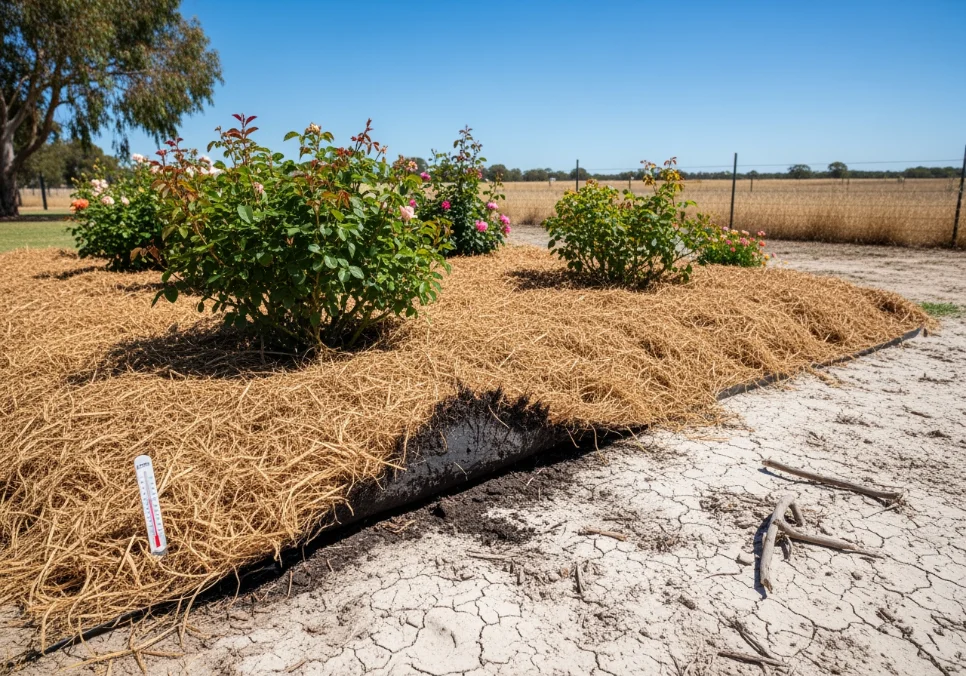
Perth’s summer soil surface temperatures regularly exceed 60°C in unprotected garden beds. That is hot enough to kill beneficial soil microbes, damage shallow plant roots, and evaporate soil moisture faster than most gardeners can replace it.
Western Australia’s extreme climate creates soil temperature swings from scorching 40°C summer days to cool 8°C winter nights. Sandy soils, which dominate the Swan Coastal Plain, make this worse. They heat up faster and cool down quicker than clay-heavy soils found in other parts of Australia. Managing this temperature instability is one of the most important and most overlooked aspects of WA garden care.
If you are growing vegetables, roses, or ornamentals in Perth, soil temperature is working against you every summer. The right organic mulch perth gardeners apply before the heat arrives is the most effective way to protect your root zone and keep biological activity alive through the worst months.
This guide covers exactly how lupin mulch controls soil temperature in both summer and winter, why it outperforms other mulch types in WA’s sandy soils, and how to apply it for maximum protection across different garden types.
Why Soil Temperature Is the Hidden Garden Killer in WA
Soil temperature controls biological activity below ground. When soil stays in the ideal range of 15-25°C, beneficial bacteria, fungi, and earthworms thrive. They break down organic matter, release nutrients, improve soil structure, and protect plant roots from disease.
When soil temperatures spike above 30°C , common in exposed Perth garden beds from November through March, this biological activity slows or stops. Microbes go dormant. Earthworms burrow deeper or die. Your plants lose access to the natural nutrient cycling that healthy soil provides.
What Happens When Soil Gets Too Hot
At soil temperatures above 40°C, plant roots suffer direct heat stress. Fine feeder roots absorb the majority of water and nutrients a plant uses. They are also the most vulnerable. Once damaged, they take weeks to regenerate, leaving your plants struggling even after temperatures drop.
Perth summer soil heat is not just a surface problem. On a typical 38°C day, heat penetrates 5-10cm into sandy soil by mid-afternoon. That is directly into the root zone of most vegetables, roses, and flowering annuals. The damage accumulates silently through summer until you see it in yellowing leaves, wilting, and reduced yields.
The Winter Side of the Problem
Mulch root zone insulation matters in winter too. Cool-season crops like lettuce, broccoli, and broad beans struggle when soil drops below 10°C. Seeds sit in cold, wet soil for extended periods, vulnerable to rot and fungal disease. Even established plants grow sluggishly when roots are cold.
Clear Perth winter nights regularly drop to 5-8°C. Without insulation, soil temperatures follow quickly. Cold soil delays spring growth, reduces nutrient availability, and makes it harder for plants to build strong root systems before their first summer.
How Garden Mulch Perth WA Gardeners Use Controls Soil Temperature
Perth’s sandy soils are notoriously poor at moderating temperature. Sand particles do not hold heat the way clay or organic matter does. On a 38°C summer day, exposed sandy soil can reach 55-65°C at the surface by mid-afternoon.
The best garden mulch perth wa conditions demand is one that creates a genuine physical barrier between the atmosphere and your soil. Applied at the recommended depth, an effective mulch layer works in both directions: blocking summer heat from reaching the root zone and slowing winter heat loss overnight.
The temperature swing between 2pm and 6am in Perth can exceed 30°C. Plants adapted to stable conditions, including most vegetables, roses, and ornamentals, struggle with this constant thermal stress. Disrupted biological processes mean weakened nutrition and reduced disease resistance, even before visible stress signs appear.
The Physical Insulation Mechanism
A 50mm layer of DSATCO Lupin Mulch reduces peak summer soil temperatures by 8-12°C compared to bare soil. That is the difference between damaging heat at the surface and an optimal temperature at root depth. It is a meaningful shift that keeps biological activity alive and roots functioning through Perth’s hottest months.
The product is made from WA-grown lupin plant material composted with WA chicken manure, specifically formulated for local conditions. The density and particle structure are calibrated for WA’s extreme UV conditions and sandy soil type, not adapted from an eastern states formula.
Winter Warmth Retention and Night Insulation
In winter, the same mulch layer provides lupin mulch winter warmth by trapping heat in the soil. Daytime warmth penetrates through the mulch but does not escape as quickly overnight. This moderates the daily temperature swing and keeps the root zone 2-4°C warmer than bare soil during Perth’s cold snaps.
Moist soil holds heat more effectively than dry soil. By retaining moisture in the root zone, lupin mulch helps stabilise temperature through the full day-night cycle, not just during the hottest or coldest part of the day.
Why Lupin Mulch Outperforms Other Mulch Types in WA Conditions
Not all mulches moderate temperature equally. Lupin mulch has specific characteristics that make it particularly effective in WA’s climate.
DSATCO is a Western Australian company that produces premium organic mulch and garden products, grown and sourced 100% from WA farms. Their lupin mulch is formulated specifically for Perth’s sandy soils and high UV conditions, which is why it performs differently to products developed for eastern states gardens.
Particle Size, Colour, and Density
Lupin mulch consists of chopped lupin stalks and leaves, creating a textured layer with good air pockets. These air pockets act as insulation. Unlike fine mulches that compact quickly, lupin mulch maintains its loft and insulating properties for 12-18 months before needing a top-up.
The lighter tan-brown colour reflects more solar radiation than dark mulches. This matters in Perth, where UV intensity peaks from November through February. Lighter mulch absorbs less heat at the surface, which directly reduces the heat load reaching your soil.
For gardeners who prefer a retail bagged format, Vivantes Lupin Mulch is available at Bunnings. It uses the same formula as the DSATCO product and suits smaller garden areas or top-up applications between bulk deliveries.
Nitrogen Content as a Dual Benefit
No standard garden product delivers both temperature protection and soil nutrition in a single application the way lupin mulch does. The composted chicken manure blended through the mulch feeds soil microbes and releases nutrients slowly while the mulch layer is simultaneously moderating temperature.
Moist mulch also insulates better than dry. By keeping itself slightly moist through moisture retention, lupin mulch maintains its thermal properties more consistently than dry, woody alternatives across a Perth summer.
For depleted or heavily compacted soil, pairing lupin mulch with DSATCO Piggypost underneath gives the best combined result. Piggypost is a mature compost with 70% humus content and living microbes. It builds the biological foundation below while the mulch protects it from above.
Applying Lupin Mulch for Maximum Temperature Control in WA
Getting application depth, timing, and technique right makes a real difference to temperature management results. The goal is consistent coverage at the right depth. Consistent coverage matters more than volume in any one spot.
Depth and Coverage Recommendations
Apply lupin mulch at 40-50mm depth for vegetable gardens, rose beds, and ornamental plantings. This depth provides effective insulation without impeding water penetration or air exchange.
For established trees and shrubs, increase depth to 75-100mm. Larger plants have deeper root systems that benefit from an extended insulation zone. Always leave a 50-100mm gap around plant stems and tree trunks. Mulch piled against stems creates conditions for collar rot and fungal disease, regardless of mulch type.
Refresh your lupin mulch layer annually or when it has compressed to less than 30mm. In Perth’s hot, dry conditions, organic mulches break down faster than in cooler climates. That is a feature, not a flaw. As they decompose, they actively build your soil.
Summer Mulching Perth Gardens: Seasonal Timing
Summer mulching Perth gardens before the heat peaks is the single most effective intervention most WA gardeners can make for summer performance.
Late autumn, around April and May, is the first key application window. Apply or refresh after the first autumn rains soften the soil. This locks in moisture heading into winter and starts the lupin mulch winter warmth insulation cycle before cold snaps arrive.
Early spring, around September, is the second key window. Top up mulch before temperatures spike in October-November. This is your last opportunity to insulate soil before summer mulching Perth conditions become critical. Spring application also suppresses the flush of weed seeds that germinate after winter rains.
Avoid disturbing hot, dry soil during December-February unless you are establishing new beds. If you must mulch in summer, water the soil thoroughly first, then apply mulch immediately to lock in that moisture before it evaporates.
How Lupin Mulch Temperature Protection Works Across WA Garden Types
Different plants respond to temperature stress in different ways. Lupin mulch soil temperature WA management works across almost every garden type, but the benefits are most visible where thermal stress is greatest.
Vegetable Gardens and Cool-Season Crops
Vegetable crops have shallow, fast-growing root systems that need stable soil conditions throughout the season. Lupin mulch keeps summer soil temperatures significantly cooler, extending the productive season for cool-season crops and reducing heat stress in warm-season fruiting plants like tomatoes and capsicums.
The nitrogen released as lupin mulch breaks down also feeds heavy feeders without separate fertiliser applications. Apply at 40mm depth between rows and around individual plants. Refresh every 6-8 months as the mulch breaks down and incorporates naturally into the soil below.
Rose Gardens
Exposed rose roots in Perth’s sandy soil can reach very high temperatures by mid-afternoon through summer. That slows growth, increases susceptibility to fungal disease, and weakens the plant’s ability to repeat flower through the season.
Lupin mulch keeps rose roots cool and consistently moist. The slow-release nitrogen supports strong foliage and repeat flowering without the excessive soft growth that high-nitrogen synthetic fertilisers can trigger. Apply at 50mm depth in a circle extending 30-40cm from each rose bush, with a clear gap around each stem base.
Native Gardens and Combining Lupin Mulch with Soil Conditioning
Western Australian natives benefit from temperature moderation even though they are adapted to tough conditions. Banksias, grevilleas, and kangaroo paws perform better when soil temperature stays stable and moisture does not fluctuate wildly between waterings.
Apply lupin mulch at 40-50mm depth around established natives. The nitrogen content is moderate enough not to harm phosphorus-sensitive species, and the gradual release suits the slow, steady growth pattern of most WA native plants.
For turf areas, DSATCO Lawn Maximizer improves soil structure and biology beneath the lawn surface. An organic top-dressing programme suited to WA grass types supports the same temperature stability that lupin mulch provides in garden beds.
Mulch temperature control Perth gardens achieve is greatest when lupin mulch is applied over healthy, biologically active soil. If your soil is compacted or depleted, apply Piggypost at 20-30mm depth and work it into the top 10cm of soil first. Then apply lupin mulch on top. The microbes in Piggypost colonise the soil below while the lupin mulch creates stable temperature and moisture conditions above.
For those wanting to explore the full organic mulch perth range, including bulk bags for larger garden areas and eco-bale formats, the full DSATCO product range is available to browse online.
Conclusion
Perth soil temperatures swing from 60°C summer surfaces to 8°C winter nights, creating growing conditions that stress plants and disrupt the biological processes healthy gardens depend on. Lupin mulch moderates both extremes. Applied at 40-50mm depth, it reduces peak summer soil heat and prevents rapid heat loss in winter.
The result is a stable root zone where beneficial microbes thrive, moisture stays available, and plants grow consistently through every season. Applying lupin mulch before the heat peaks is one of the highest-return interventions available to WA gardeners. Combined with its nitrogen-releasing breakdown cycle, lupin mulch delivers temperature protection and soil nutrition from a single application.
Managing garden mulch perth wa conditions demands a year-round commitment, not just a summer fix. Effective lupin mulch soil temperature WA control combines the right depth, the right timing, and healthy soil biology underneath. When those three elements work together, your garden handles Perth’s extremes without constant intervention.
Ask the DSATCO team about bag sizes, bulk options, and stockist locations on 08 9671 1500.
Latest Posts
- How to Stage Bulk Bags For Soil Improvers Versus Lawn And Mulch
- How to Size Multi-Bed Garden Orders From Bulk Bag Coverage
- Coordinating Metro Stockists Sourcing and Bulk Transport for Large Projects
Reviews from
Happy Gardeners
 "Results have been spectacular. The grass has never looked healthier."
Rod


