


 Buy Online
 08 9671 1500
 office@dsatco.com
When Is the Best Time to Mulch Garden Beds in WA
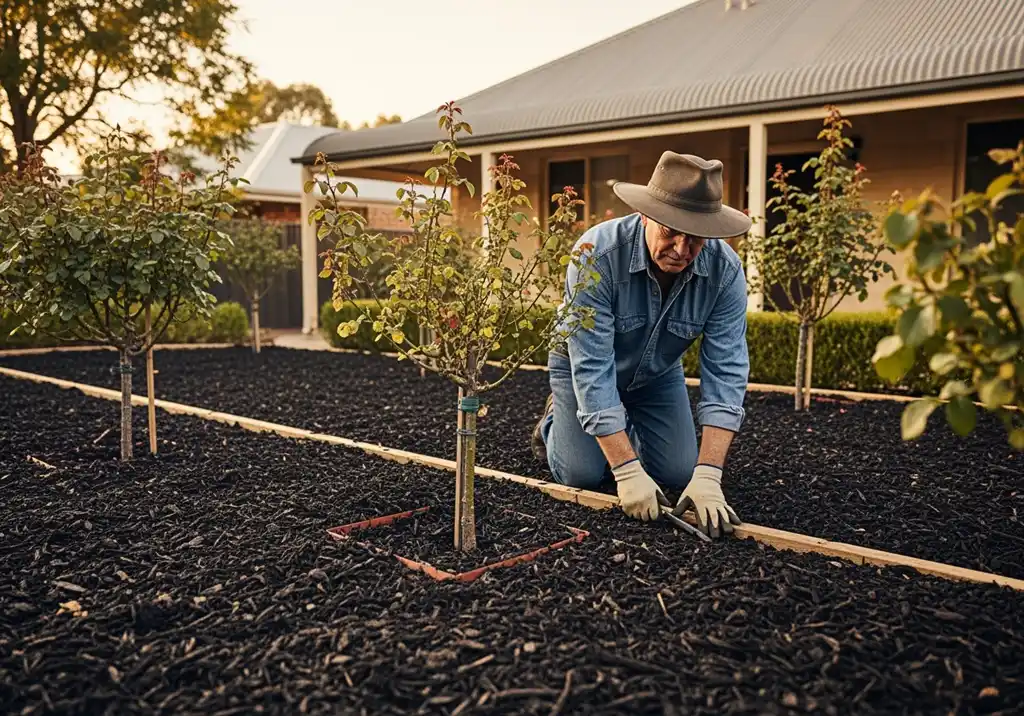
Perth’s sandy soils and Mediterranean climate create a unique set of challenges for home gardeners. Water drains through the soil profile quickly, nutrients leach away between applications, and the summers are long and punishing. Mulch is one of the most effective tools available for managing all three of these problems at once.
But mulch only works well when it is applied at the right time. Apply it too early and it sits on dry, compacted soil without integrating. Apply it too late and your soil has already lost the moisture and structure it needed going into the next season. Getting the timing right is the difference between mulch that works hard for months and mulch that delivers very little for the effort you put in.
Why Timing Your Mulch Application Matters in WA
Understanding when to mulch garden WA conditions present is the single most important decision you make across each mulching cycle. WA’s dry summers, variable winter rains, and sandy soils create conditions that demand precise timing. Knowing the right window for mulching garden beds WA-wide means the difference between mulch that works hard for months and mulch that sits on dry, compacted soil without delivering its full benefit. Applying mulch at the wrong time can trap dry soil, encourage root disease, or waste product before it can help. The goal is always to get organic mulch in place before seasonal extremes arrive, not after they do.
How WA’s Climate Differs from Other States
WA Mediterranean climate garden conditions are fundamentally different from the temperate patterns most Australian gardening advice assumes. Mulch timing that works in Melbourne or Sydney often fails in Perth because the seasonal rhythms are different. WA’s Mediterranean climate creates long, dry summers that can stretch from October through to April. Winter rains arrive late and finish early in many parts of the state. Sandy soils on the Swan Coastal Plain lose moisture and nutrients faster than clay-based soils found in other states, which means every week of delay in getting mulch down costs your garden in ways that are hard to recover from mid-season.
What Mulch Actually Does for Your WA Garden
Any useful seasonal mulch guide WA gardeners follow comes back to four core functions. Mulch moderates soil temperature, reduces evaporation, suppresses weeds, and feeds soil biology as organic material breaks down. It also protects topsoil from erosion during heavy winter rains, which is a real risk for Perth gardens where winter downpours can strip exposed soil quickly. All four of these functions depend on the mulch being in place before seasonal extremes hit. Applied too late, mulch becomes reactive rather than protective, and the soil has already lost what it needed going into the difficult part of the season.
The Two Critical Mulching Windows for WA Gardens
Deciding when to mulch garden WA-wide comes down to two windows. Late winter, from August to early September, is the first priority. Late autumn, from April to May, is the second. These two applications align with WA’s seasonal extremes and give soil the best protection through both the heat and the wet season. Mulching garden beds WA gardens need most is not a once-a-year task. Two well-timed applications a year keep your soil protected and productive year-round.
Late Winter Application: August to Early September
Soil temperatures in late winter are still moderate, which helps organic mulches begin breaking down steadily and feeding soil microbes before the heat shuts down biological activity. Winter rains have recharged the soil profile, so mulch locks in moisture rather than sitting on dry ground. Weed suppression mulch Perth gardeners apply now catches seeds before they establish, reducing maintenance right through summer.
Organic mulch for sandy soils in WA works best when applied before the heat arrives. In late winter, the soil is moist, biologically active, and ready to benefit from both the protective layer and the nutrients the mulch releases as it breaks down.
Before applying mulch in late winter, clear existing weeds and any debris from garden beds. Water the soil thoroughly if winter rains have been light. Apply organic mulch at 40 to 50mm depth for general garden beds, or up to 75mm for large shrubs and trees. Keep mulch 50 to 100mm away from plant stems to prevent collar rot.
Late Autumn Application: April to May
Autumn mulching Perth gardens need happens after the summer stress has peaked but before the winter rains arrive in full force. It is the second most important application in the WA mulching calendar. Soil is still warm from summer, which means organic mulches begin breaking down and releasing nutrients into the root zone quickly. Mulch applied now protects soil from winter leaching, where WA’s winter rains can strip nutrients from sandy soils faster than plant roots can absorb them. Weed suppression mulch Perth gardeners apply in autumn targets winter annual weeds before they germinate with the first good rain, reducing the maintenance workload through the wet season.
Organic mulch for sandy soils applied in autumn is particularly effective because the soil is already warm and biologically active, helping the mulch integrate quickly and begin protecting the root zone before the first heavy rains arrive.
To prepare beds for the late autumn application, remove spent summer annuals and cut back overgrown perennials. Top up existing mulch layers that have broken down over summer rather than piling a full new layer on compacted old material. Apply fresh mulch at 40 to 50mm depth, or top up existing layers to restore their original depth. Water lightly after applying to settle the mulch and help it bond with the soil surface.
Adjusting Timing for Different Garden Types
Vegetable gardens, rose beds, lawn areas, and native plantings all have slightly different needs when it comes to mulch timing. Matching the mulch type to the plants and the season improves results significantly. Native gardens require particular care around phosphorus-sensitive species, and the timing of mulch application matters more in these beds than almost anywhere else in the garden.
Vegetable Gardens
Vegetable gardens need a different approach because beds are constantly being planted, harvested, and turned over.
For autumn and winter vegetable crops such as brassicas, leafy greens, and root vegetables, mulch lightly in late summer or early autumn after transplanting. DSATCO Sugar Cane Mulch works particularly well in vegetable gardens because it breaks down steadily, adds organic matter, and is shredded fine for easy spreading and replanting.
Mulch paths and perimeter beds in late winter to suppress weeds and help moderate soil temperature as conditions warm. Apply mulch around established plants once they are 150 to 200mm tall, as earlier application can slow soil warming and delay growth.
Rose Gardens and Ornamental Beds
Roses thrive with consistent soil moisture and steady nutrient availability. A nitrogen-rich organic mulch is well suited to rose beds and ornamental plantings.
Apply mulch in late winter, around August, after winter pruning so the bed is clean and easy to work with. DSATCO Lupin Mulch is a 100% organically sourced WA lupin plant material and chicken manure mulch with a pH of 7.5, pasteurised to be weed, seed, and disease free. It feeds rose beds through the season as it gradually breaks down. Mulch again in late autumn, from April to May, after the first flush of autumn blooms, topping up any areas that have thinned out.
Maintain a 50 to 75mm layer year-round to suppress weeds, moderate soil temperature, and feed beneficial soil microbes across ornamental plantings.
Lawn Areas
Lawns benefit from a different approach to mulching. Rather than a thick layer of organic mulch, WA lawn care involves top-dressing with a soil conditioner or composted product that integrates into the turf.
Apply DSATCO Lawn Maximizer in early spring, around September, as the lawn comes out of winter. It is an organic top dress fertiliser made from lupin chaff, canola straw, and chicken manure, pasteurised and 100% WA grown. Top-dress again in late summer or early autumn to help the lawn recover from summer stress and build resilience before winter.
Avoid top-dressing lawns during peak summer heat. The lawn is already under stress and will not respond well. Wait until temperatures moderate slightly before applying.
Native Gardens and Water-Wise Plantings
WA natives and water-wise plants generally prefer lower-nutrient conditions. Avoid high-nitrogen mulches in native garden beds, particularly around phosphorus-sensitive species like banksias and grevilleas. Check product specifications before applying composted mulches to confirm suitability.
A slower-breaking organic mulch that does not spike nitrogen levels suits native plantings better. Apply mulch in late autumn, from April to May, after the first rains so the soil is moist and the mulch layer settles well. Maintain a thicker layer of 75 to 100mm to suppress weeds and protect shallow-rooted natives from temperature extremes. If you are picking up products at Bunnings, Vivantes Lupin Mulch carries the same WA organic formula and is available in store, though check suitability before applying it around phosphorus-sensitive species.
Regional Variations Across WA
Perth metro, the hills, the South West, and inland WA all experience different seasonal patterns. Adjusting your mulch timing to match local conditions improves results across the state. Knowing your local rainfall and temperature patterns helps you get the timing right and avoid applying mulch when the soil conditions work against it.
Perth Metro and the Swan Coastal Plain
The coastal strip from Mandurah to Yanchep experiences the most moderate temperatures and the longest growing season. Mulch twice a year, in late winter and late autumn, following the standard WA schedule. Sandy soils dominate, so prioritise mulches that add organic matter and help with moisture retention. Maintain mulch depth at 50mm minimum to account for sea breezes that increase evaporation.
Autumn mulching Perth conditions are particularly important because the autumn rains provide the moisture needed to settle a fresh mulch layer and begin the breakdown process before winter.
DSATCO is a Western Australian company that produces premium organic mulch and garden products, grown and sourced 100% from WA farms, including products designed for the Swan Coastal Plain’s sandy soils and Mediterranean climate.
Perth Hills
The hills experience cooler winters, hotter summer days, and sharper temperature swings. Mulch slightly earlier in spring, from late July to early August, to protect soil as temperatures start climbing. Increase mulch depth to 75mm in exposed areas. Top up mulch in late summer if local fire regulations permit.
South West: Margaret River, Bunbury, and Albany
The South West receives higher rainfall and cooler summer temperatures than Perth. Mulch in early spring, around August, to suppress weeds before spring growth accelerates. Avoid over-mulching in winter, as excessive mulch combined with high rainfall can create waterlogged conditions and root disease. Top up mulch in late summer, around February to March, after the soil has dried out.
Wheatbelt and Inland WA
Inland regions experience hotter, drier summers and colder winters with greater temperature extremes. Mulch earlier in spring, from late July to early August, to lock in any remaining winter moisture before evaporation rates increase. Increase mulch depth to 75 to 100mm for better insulation. Top up mulch in autumn, around April, after the first rains to restore depth and prepare for winter.
Common Mulching Mistakes and How to Avoid Them
Even experienced gardeners make timing and application errors that reduce mulch effectiveness. The most common mistakes are applying mulch to dry soil, mulching too thickly, or using the wrong product for the plant type. Avoiding these errors makes each application work harder and last longer, which saves both time and product over the course of the year.
Applying Mulch to Dry Soil
Mulch locks in whatever moisture is already in the soil. If you mulch over dry soil, you are locking in dryness. Soak garden beds thoroughly before mulching. Let the soil drain for a few hours, then apply mulch while the soil is still moist.
Mulching Too Thickly
Mulch layers that are thicker than 75 to 100mm can prevent water and oxygen from reaching the soil, which can suffocate roots and encourage disease. Stick to 40 to 50mm for general garden beds, 50 to 75mm for larger shrubs and roses, and up to 100mm for trees and natives in exposed areas. If existing mulch is still present, top up rather than piling a full new layer on top.
Mulching Right Up to Plant Stems
Mulch piled against stems and trunks traps moisture and creates conditions for collar rot, fungal infections, and pest damage. Leave a 50 to 100mm gap around the base of all plants. For trees, keep mulch at least 150 to 200mm away from the trunk.
Using the Wrong Mulch for the Job
Not all mulches suit all plants. Match the mulch to the plant type. Use nitrogen-rich mulches for roses, ornamentals, and productive garden plants. Use DSATCO Triple-C Mulch for general garden beds where a nitrogen-rich, water-retaining, weed-suppressing blend suits a range of plant types. Triple-C is a blend of cereal crops, chicken manure, and canola, composted and 100% WA sourced.
How to Apply Mulch Correctly for WA Conditions
Preparation makes a bigger difference than most gardeners realise. Working in organic matter before mulching multiplies the benefits of both products, and following a consistent seasonal process reduces the time and effort required at each application. The steps below apply whether you are doing your first mulch application of the season or topping up beds that were mulched a few months earlier.
Practical Steps for Your Autumn Application
Prepare beds by clearing weeds and spent plants. For beds that need organic matter, apply DSATCO Piggypost at a shallow depth and fork it lightly into the top layer of soil. Piggypost is a composted organic soil enhancer with 70% humus and living microbes, designed to improve nutrient and carbon retention in sandy WA soils. It creates the biological foundation that makes mulch break down more effectively.
Water the bed thoroughly and let it drain. Apply fresh organic mulch at 40 to 50mm depth across the entire bed. Pull mulch back from plant stems. Water lightly to settle the new layer and help it bond to the soil surface.
Practical Steps for Your Spring Top-Up
Rake the existing mulch layer lightly to break up any surface compaction. Remove weeds that have come through over winter. Water the bed if soil is dry. Top up with a fresh layer of 30 to 50mm. Water lightly after application.
Conclusion
Timing your mulch application to match WA’s seasonal patterns gives your garden the best chance to thrive with less water, fewer weeds, and healthier soil. The two critical windows are late winter (August to early September) and late autumn (April to May). These applications protect your soil before heat and cold arrive in full force.
Understanding when to mulch garden WA-wide and choosing the right product for mulching garden beds WA sandy soils need is the foundation of a low-maintenance, high-performing garden. WA Mediterranean climate garden conditions demand a different approach to the eastern states, and getting that timing right makes an immediate, visible difference. Autumn mulching Perth gardeners invest in now sets up the whole garden for a stronger, healthier spring.
Match your mulch type to what you are growing, adjust timing for your region, and maintain consistent depth across the year. Sandy WA soils respond well to regular mulching. You will see healthier plants, more consistent moisture levels, and far fewer weeds within a single season.
Get your garden sorted before the season changes. Order online now or contact the DSATCO team on 08 9671 1500 to check stock and find the right mulch for your WA garden.
Latest Posts
- How Finely Textured Sugar Cane Straw Aids Moisture Retentiveness
- When to Apply Sugar Cane Mulch to Sensitive Backyard Garden Borders
- Using Lawn Maximiser as an Organic Top Dress for Perth Domestic Turf
Reviews from
Happy Gardeners
 "Results have been spectacular. The grass has never looked healthier."
Rod


